




| IN A NUTSHELL |
|
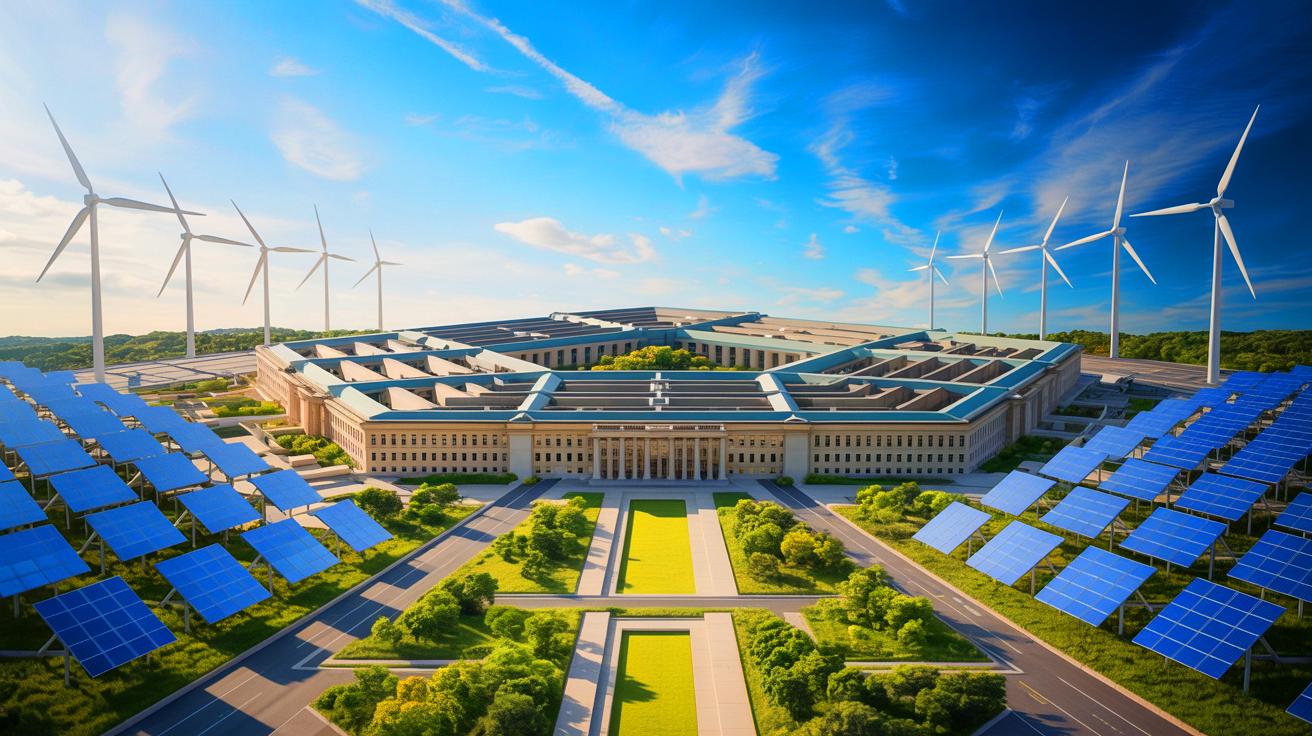
In the early 2000s, the United States military faced a daunting challenge: the exorbitant cost and logistical complexity of delivering fuel to troops in Iraq and Afghanistan. Fuel convoys became prime targets, endangering lives and disrupting operations. The Pentagon quickly realized that its reliance on fossil fuels was a vulnerability, catalyzing a shift towards clean energy. This shift, driven by security needs rather than environmental concerns, quietly sparked a revolution in clean energy innovation. Recent research highlights that federal agencies, particularly the Department of Defense (DoD) and the Department of Energy (DOE), have been pivotal in driving this innovation, even as the U.S. lagged in formal climate policies.
America’s Clean Energy Innovation Paradox
Despite the United States being perceived as a straggler in global climate policy, American innovators were at the forefront of clean energy technology development in the 2000s. This paradox is illuminated by research from Nicolas Wittstock, who found that the U.S. government’s most significant contributions to clean energy innovation came from internal initiatives. Unlike other nations that implemented emissions trading systems and green subsidies, the U.S. focused on supporting basic research and development.
Wittstock’s study analyzed over 140,000 patents and more than 1.7 million patent citations, revealing that federal agencies were central to U.S. clean tech innovation. Specifically, in the key clean energy category, over 9% of patents were federally funded, which is nearly double the federal involvement in other technological fields. This underscores the critical role of federal agencies in shaping the trajectory of clean technology innovation, challenging the narrative of U.S. inaction on climate policy.
The Pentagon’s Strategic Energy Shift
The Department of Defense’s strategic shift towards clean energy marked a pivotal moment in U.S. energy policy. As the largest institutional consumer of fossil fuels, the DoD recognized the security risks and financial strains of its energy demands. Reports highlighted the stark reality that delivering fuel to conflict zones could cost hundreds of dollars per gallon, prompting calls for energy efficiency and alternative energy investment.
By 2010, the Pentagon declared energy security a national priority. Ambitious plans were set in motion, such as the Army’s goal to power installations with carbon-free electricity by 2030 and the Navy’s aim to source half its energy from alternative fuels by 2020. These initiatives were not solely internal; the DoD collaborated with the DOE to turn military bases into testing grounds for new technologies, accelerating innovation and commercialization.
The Federal Footprint in Energy Innovation
Federal agencies have played a crucial role in catalyzing entire industries, often underappreciated in mainstream discourse. The fracking boom, for instance, was rooted in decades of public R&D coordinated by the DOE. The Advanced Research Projects Agency–Energy (ARPA-E), modeled after DARPA, further exemplified federal impact by investing billions in high-risk energy R&D projects.
Patent data supports this influence, with the DOE and DoD being top sources of patents cited in further innovations. Citing a federal agency’s patent significantly increased the likelihood of an organization’s patent being cited, highlighting the federal footprint in the innovation ecosystem. This demonstrates that the U.S. government, despite political gridlock, has been a powerful engine for clean energy technology development.
Shaping Markets and Future Prospects
The Pentagon’s efforts extended beyond invention; it also shaped markets for clean technologies. Acting as a first adopter and demonstration partner, the DoD provided a commercialization pathway for new technologies. Intellectual property reforms allowed federally funded inventions to be licensed to private firms, facilitating further development and scaling.
While federal clean energy initiatives thrived through various administrations, current political signals suggest potential challenges. Recent remarks from defense officials indicate a possible shift away from clean tech investments, raising concerns about the future trajectory of federal efforts. This raises pertinent questions about the sustainability of U.S. clean energy innovation amid changing political landscapes.
As America reflects on its clean energy journey, it is clear that the revolution was not driven by environmental activism but by military strategy and national security priorities. The Pentagon’s early recognition of energy vulnerabilities catalyzed significant advancements in clean technology. Looking forward, how will the U.S. balance its national security concerns with the evolving demands of global climate leadership? This question remains critical as the nation navigates its role in a rapidly changing energy landscape.



Wow, who would have thought the military would be the catalyst for clean energy innovation? 🤔
Finally, some good news about the military’s impact on the environment. About time! 🌍
Interesting article, but I wonder if it’s truly sustainable without continued military investment?
Can someone explain how patents are involved in this process? Sounds complicated!
This is mind-blowing! The Pentagon’s strategy had unforeseen benefits! 🚀