



| IN A NUTSHELL |
|
The depths of the ocean have always been a source of intrigue and mystery. Off the coast of Vancouver Island, a dormant underwater volcano has recently revealed a breathtaking secret. Previously thought to be extinct, this geological wonder is not only active but also home to a thriving marine ecosystem. Within its mineral-rich waters, scientists have discovered a massive nursery of giant eggs, an astonishing find that challenges our understanding of marine life. This revelation underscores the profound connections between geological phenomena and biological diversity, prompting a renewed interest in the conservation of deep-sea environments.
The Resurgence of an Underwater Giant
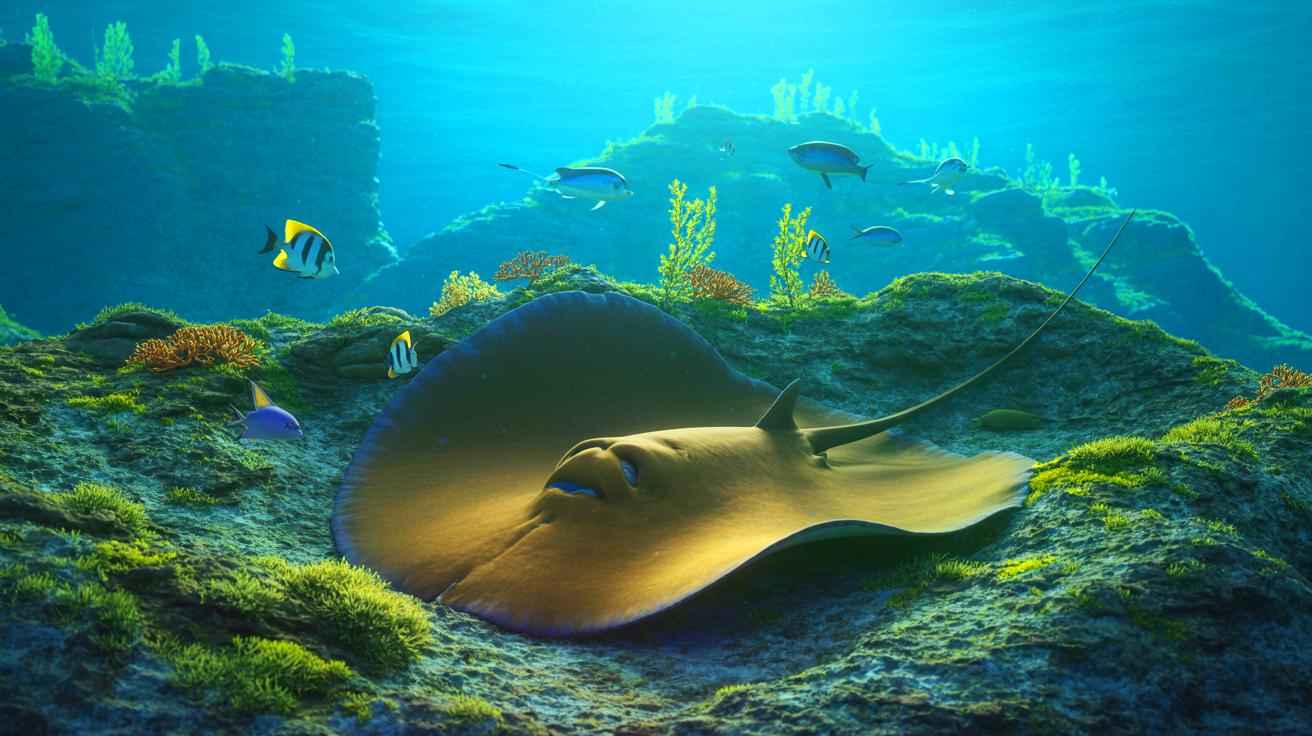
In 2019, a team from Fisheries and Oceans Canada set out to explore a seamount believed to be geologically inactive. Rising more than 3,600 feet from the ocean floor, this volcano was expected to be a relic of the past. However, the discovery of mineral-rich hot water emissions indicated ongoing volcanic activity. This unexpected warmth has created an ideal habitat for marine species, particularly deep-sea corals and sponges. The true marvel appeared when scientists observed white skate rays depositing eggs in vast numbers at the summit, nearly a mile beneath the ocean’s surface. This site has become a window into the complex interactions between Earth’s geological and biological systems.
An Extraordinary Reproductive Event
The sheer scale of the egg deposit at this site is unparalleled. Marine biologists, familiar with deep-sea rays, were astonished by the number of eggs scattered across the volcanic summit. Initial surveys estimate the presence of hundreds of thousands, potentially over a million, eggs. These eggs, encased in structures nearly 20 inches long, provide an intriguing glimpse into the reproductive strategies of these rays. The energy-intensive process ensures the eggs are nutrient-rich, equipping the embryos with the resources needed to survive in the deep ocean’s harsh conditions. This remarkable adaptation highlights the resilience of marine life in extreme environments.
Harnessing Volcanic Heat
White skate rays are known to inhabit depths ranging from 2,600 to 9,500 feet, making them elusive and challenging to study. The discovery of their eggs near hydrothermal vents suggests a strategic use of volcanic heat to aid embryonic development. Marine biologist Cherisse Du Preez suggests that while typical incubation can take up to four years in such cold environments, the volcano’s heat could significantly shorten this period. Beyond warmth, the summit offers a safer, shallower terrain for young rays before they venture into deeper waters. This natural incubator exemplifies the dynamic interplay between geological forces and marine adaptation.
Exploring Evolution in Extreme Conditions
This unique site offers an unparalleled opportunity to study how life adapts to extreme conditions. Much like the hydrothermal vents near the Galápagos, this underwater volcano supports an array of complex life forms despite its harsh environment. The adaptive strategy of laying large eggs in volcanically active areas showcases an evolutionary brilliance that has likely persisted unnoticed for centuries. While the full extent of life around this hidden volcano remains unknown, the discovery serves as a reminder of the vast unexplored realms beneath the ocean surface, waiting to reveal their secrets to the scientific world.
Implications for Conservation and Exploration
The discovery of this underwater nursery emphasizes the urgency of protecting fragile deep-sea ecosystems. With threats from deep-sea mining and climate change looming, responsible exploration and global cooperation are critical in preserving these natural wonders. This story is more than just about a volcano or a rare species; it highlights the deep ocean’s secrets and their potential to reshape our understanding of life on Earth. As we continue to uncover these mysteries, one must wonder: what other extraordinary phenomena lie hidden beneath the ocean’s depths, waiting to be discovered?

This is mind-blowing! I had no idea underwater volcanoes could harbor such mysteries. 🌋
Giant eggs? Sounds like something out of a sci-fi movie! 🐣
How do these eggs survive in such extreme conditions? 🤔
Could this mean there are other undiscovered marine species in these areas?
Thank you for sharing this incredible discovery. It’s truly fascinating!
Is it possible for these eggs to hatch successfully in such an environment?
Wow! Nature never ceases to amaze me. 😲
Is there any chance these eggs belong to a species we’ve never seen before?
Can we visit this site, or is it too dangerous?
What are the implications of this discovery for marine biodiversity?
This is why we need to protect our oceans. So much still to learn! 🌊
Is it safe for humans to explore around active underwater volcanoes?
Does this discovery have any implications for climate change research?
Sounds like the plot of a new Jurassic Park movie! 🦖
Fascinating! How do scientists even begin to study something so remote?
It’s surprising how much we still don’t know about our own planet.
Are there any risks associated with these eggs hatching near a volcano?
The ocean is like an alien world. We know so little about it! 👽
Could this discovery help in understanding ancient marine life?
Would love to see some images of these giant eggs!
How long will it take for these eggs to hatch?
I’m skeptical. How can they be sure the eggs are from white skate rays?
Can the volcanic heat really speed up the hatching process? 🤔
This article just made my day. Nature is incredible!
What’s next for the scientists studying this underwater volcano?
Are there similar volcanic sites elsewhere in the world?
How can we ensure these sites are protected from human interference?
I’m amazed by the resilience of marine life in such harsh conditions.
Is there a possibility of studying these eggs in a controlled environment?
So, what happens if these eggs hatch en masse? 🐟
Who would have thought a dormant volcano could be so lively?
Are there any documentaries being made about this discovery?
Can these findings change our understanding of marine biology?
This is like discovering a new world! Thanks for sharing!
How do researchers communicate their findings to the public?
Does this mean we should focus more on exploring our oceans than space?