




| IN A NUTSHELL |
|
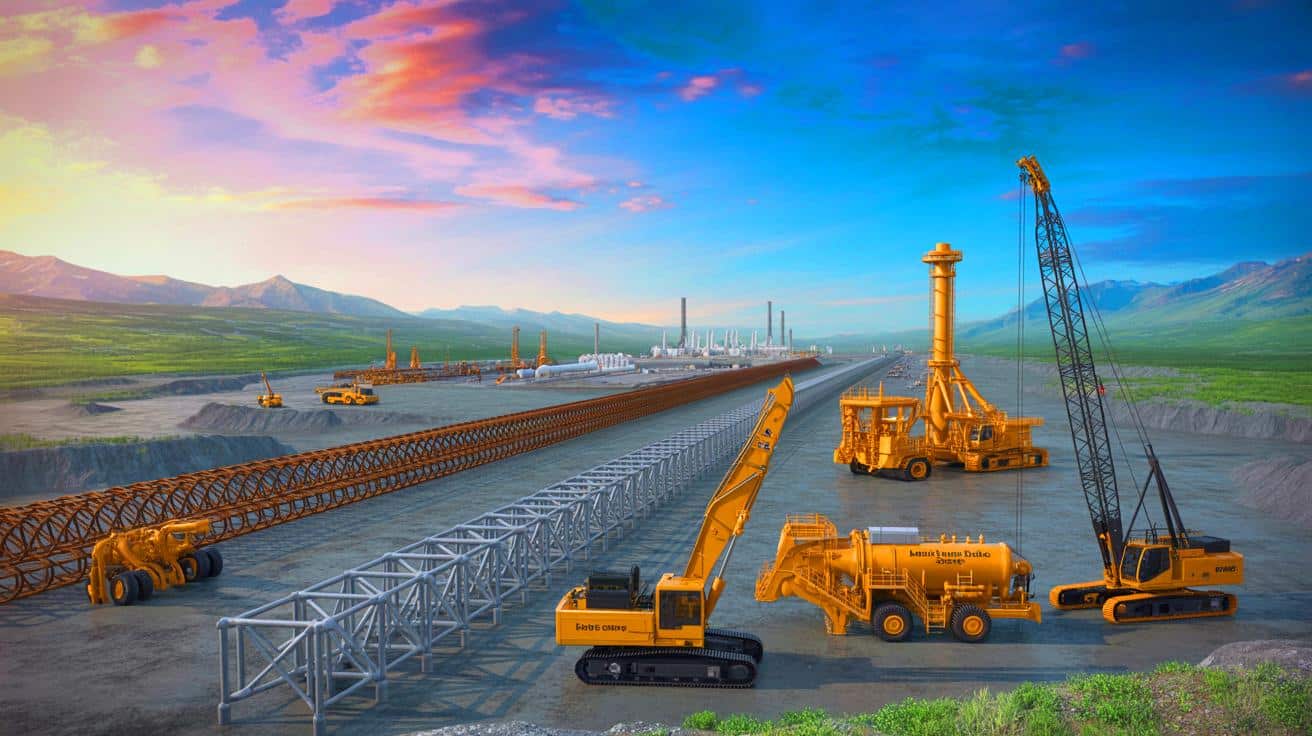
The Alaska LNG project, a significant initiative aimed at transporting natural gas from the North Slope of Alaska to international markets, is receiving a boost with Baker Hughes stepping in to provide essential equipment. This development comes as part of a larger $44 billion endeavor, which includes the construction of an 800-mile pipeline and a terminal for liquefaction and export. Despite being bolstered by favorable policies under President Donald Trump, the project faces substantial challenges, such as financial constraints and difficult terrain. However, the involvement of Baker Hughes is seen as a critical endorsement, marking a pivotal moment in the project’s timeline.
Baker Hughes’ Role in the Alaska LNG Project
Baker Hughes, a well-known provider in the oilfield services industry, is set to supply crucial equipment for the Alaska LNG project. The company will provide refrigerant compressors for the terminal, as well as power generation equipment for a gas treatment plant on Alaska’s North Slope. The involvement of Baker Hughes is regarded as a “stamp of approval,” according to Brendan Duval, CEO of Glenfarne Group, the project’s lead developer. This partnership is expected to lend credibility and technical expertise, which could help overcome some of the project’s major hurdles.
Glenfarne Group, which acquired a 75% stake in the project from the Alaska Gasline Development Corporation, is optimistic about the progress. The collaboration with Baker Hughes underscores the importance of strategic partnerships in advancing complex infrastructure projects. As the project moves forward, the focus will be on completing a final engineering study by the end of the year, which will inform key investment decisions slated for early next year.
Challenges Facing the Project
The Alaska LNG project, while promising, faces numerous challenges that could impact its timeline and success. One of the primary obstacles is the high cost associated with building the 800-mile pipeline. The financial burden is significant, and securing funding will be crucial for the project’s advancement. Additionally, the rugged terrain of Alaska poses logistical challenges that require innovative solutions to ensure the pipeline’s construction and maintenance.
Moreover, the project’s reliance on fossil fuels has sparked discussions about its environmental implications. While the current administration under President Donald Trump has been supportive of fossil fuel development, there is growing pressure to transition towards more sustainable energy sources. Balancing economic interests with environmental considerations will be a critical factor in the project’s long-term viability.
Economic Implications for Alaska
The Alaska LNG project has the potential to bring substantial economic benefits to the region. By facilitating the export of natural gas to Asia and other markets, the project could enhance Alaska’s position in the global energy landscape. This development could also lead to job creation and increased revenue for the local economy, providing a much-needed boost to the state’s financial health.
However, the project’s economic implications are not without concerns. The fluctuation in global energy prices and demand could affect the project’s profitability. Additionally, the project’s success will depend on its ability to secure long-term contracts with international buyers. These factors will play a significant role in determining whether the economic benefits outweigh the costs and risks associated with the project.
Future Prospects and Strategic Decisions
As the Alaska LNG project progresses, several strategic decisions will shape its future. Key among these is the final investment decision for the pipeline, expected early next year, followed by the terminal investment decision in late 2026. These decisions will be informed by the outcomes of the final engineering study, which is anticipated later this year.
The involvement of Baker Hughes and other strategic partners will be crucial in navigating the complex landscape of energy development. The project’s ability to adapt to changing market conditions and regulatory environments will determine its ultimate success. As stakeholders assess the project’s potential, the focus will be on balancing economic gains with environmental responsibilities and community impacts.
The Alaska LNG project stands at a crossroads, with critical decisions on the horizon that will dictate its path forward. As stakeholders navigate the complexities of energy development in a changing world, the project’s future remains uncertain. What strategies will be employed to address environmental concerns while ensuring economic viability for Alaska and its partners?


Wow, $44 billion! Hope it pays off for Alaska’s economy. 💰
Wow, $44 billion is a huge investment! Will it really pay off for Alaska? 🤔
Is Baker Hughes known for handling projects of this scale before?
Great article! Thanks for the detailed insights into the Alaska LNG project.
Alaska needs this kind of investment. Good luck! 👍
Is Baker Hughes’ involvement a guarantee that the project will succeed?
Environmental concerns should be a top priority. Don’t forget Mother Earth! 🌍
Why did it take so long for Baker Hughes to get involved?
I’m concerned about the environmental impact. How will this project affect Alaska’s wildlife?
800 miles of pipeline? That’s a lot of pipe! 🚀
800-mile pipeline through rugged terrain? Sounds like a logistical nightmare! 😅
Hope they secure those long-term contracts. Otherwise, what’s the point?
Will the project create jobs for local communities in Alaska?
Thank you for covering this important topic. Much appreciated! 🙏