



| IN A NUTSHELL |
|
The Alaska LNG Project, a significant energy initiative, is set to reshape the landscape of U.S. energy infrastructure. With strategic alliances between Glenfarne Alaska LNG, LLC, and Baker Hughes, the project aims to tap into Alaska’s vast natural gas reserves. This collaboration was unveiled in Washington, D.C., with key figures such as Secretary of the Interior Doug Burgum and Secretary of Energy Chris Wright in attendance. Their support underscores the project’s importance in advancing national energy objectives. As the project progresses, it promises to enhance energy security, boost economic growth, and position the U.S. as a leader in global energy markets.
Strategic Alliances to Boost U.S. Energy Security
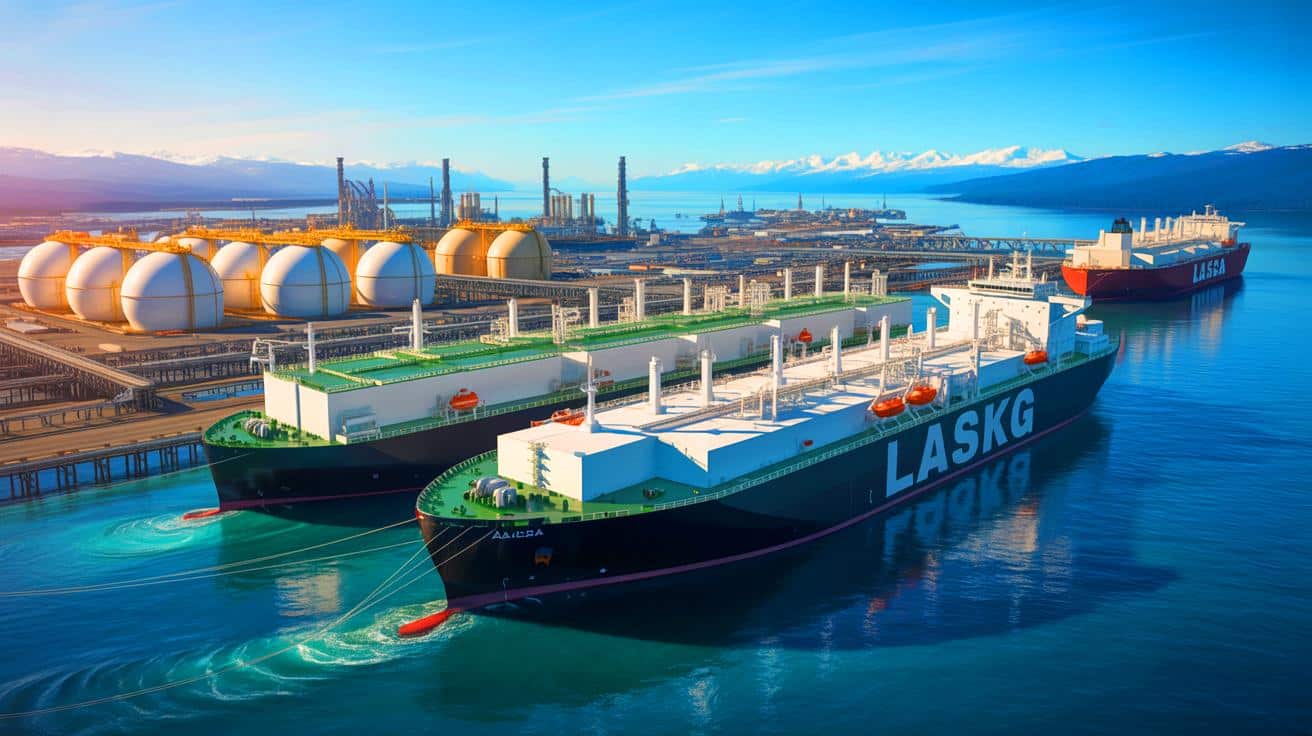
The announcement of a strategic alliance between Glenfarne Alaska LNG, LLC, and Baker Hughes marks a pivotal moment for the Alaska LNG Project. This partnership aims to enhance U.S. energy security by leveraging Baker Hughes’ expertise in LNG compression technology. As a key supplier, Baker Hughes will provide the main refrigerant compressors for the LNG terminal and power generation equipment for the gas treatment plant. This collaboration is expected to accelerate the project’s development, ensuring that Alaska’s natural gas resources are efficiently harnessed.
Secretary of the Interior Doug Burgum emphasized the strategic significance of this alliance, describing American LNG as more than just an energy source. He highlighted its role as a strategic asset that strengthens the nation’s economy and international alliances. The project aligns with a broader vision for U.S. energy independence and competitiveness on the global stage. With Baker Hughes’ commitment to the project, the foundations are being laid for a robust energy infrastructure that promises long-term benefits for the nation.
Economic and Environmental Impacts of Alaska LNG
The Alaska LNG Project holds the promise of substantial economic benefits for Alaska and the broader U.S. economy. Once operational, the project is expected to generate significant employment opportunities, both during the construction phase and through ongoing operations. The development of the 807-mile pipeline from Alaska’s North Slope is a key component of this economic revitalization. This pipeline will not only meet domestic energy needs but also position Alaska as a critical hub for energy exports.
From an environmental perspective, the project aims to deliver lower-carbon natural gas to global markets, aligning with sustainability goals. Baker Hughes’ commitment to providing innovative gas technology solutions underscores a focus on reducing emissions and enhancing energy efficiency. As the world increasingly shifts towards cleaner energy sources, the Alaska LNG Project positions itself as a pivotal player in this transition. The project’s dual focus on economic growth and environmental responsibility reflects a forward-thinking approach to energy development.
Phased Development and International Collaborations
The phased development strategy adopted by Glenfarne is designed to accelerate project execution while managing financial risks. Phase One involves the construction of the pipeline to transport natural gas across Alaska, with a final investment decision expected soon. Phase Two will add the LNG terminal and related infrastructure, enabling the export of 20 million tonnes per annum (MTPA) of LNG. This phased approach allows for flexibility in project management and financing.
International collaborations are a cornerstone of the Alaska LNG Project’s success. Glenfarne has already secured preliminary commercial commitments from leading LNG buyers in Japan, Korea, Taiwan, and Thailand. These agreements account for more than 60% of the volume needed to reach the final investment decision. By establishing strong ties with international partners, the project not only ensures demand for its LNG exports but also strengthens geopolitical relationships. This global outreach is a testament to the project’s ambition and its potential to influence energy markets worldwide.
Future Prospects and Challenges Ahead
As the Alaska LNG Project progresses, it faces both opportunities and challenges. On one hand, the project’s successful completion could redefine the U.S. energy landscape, making it a key player in global LNG markets. On the other hand, it must navigate regulatory hurdles, environmental concerns, and potential market fluctuations. The involvement of prominent partners like Baker Hughes provides confidence in the project’s viability, but ongoing collaboration with stakeholders will be crucial.
Looking ahead, the project’s success will depend on its ability to deliver on promises of economic growth and environmental stewardship. The strategic alliances and phased development approach provide a strong foundation, but the real test will be in execution. As the world continues to grapple with energy security and sustainability challenges, the Alaska LNG Project could offer a blueprint for responsible energy development. How will this project shape the future of energy in the U.S. and beyond?



Wow, this project sounds like a game-changer for Alaska! 🌟
Wow, this project sounds huge! But what are the potential environmental impacts? 🌍
I’m excited to see job creation in Alaska. Hope locals get priority!
How will the project address potential environmental concerns? 🤔
Does anyone else think this is just another corporate cash grab? 🤨
Can’t wait to see the impact on local jobs. Go Alaska!
Can we really call natural gas “lower-carbon”? Seems a bit misleading.
Isn’t LNG still a fossil fuel? How green is this really?
Thank you for this well-written article. Very informative!
Thank you for the detailed article, very informative.
Is it safe to assume that the pipeline construction will disrupt local wildlife?
Hope it doesn’t disturb the wildlife too much… 🐻
Great job, Alaska! Finally some positive economic news. 👏