


| IN A NUTSHELL |
|
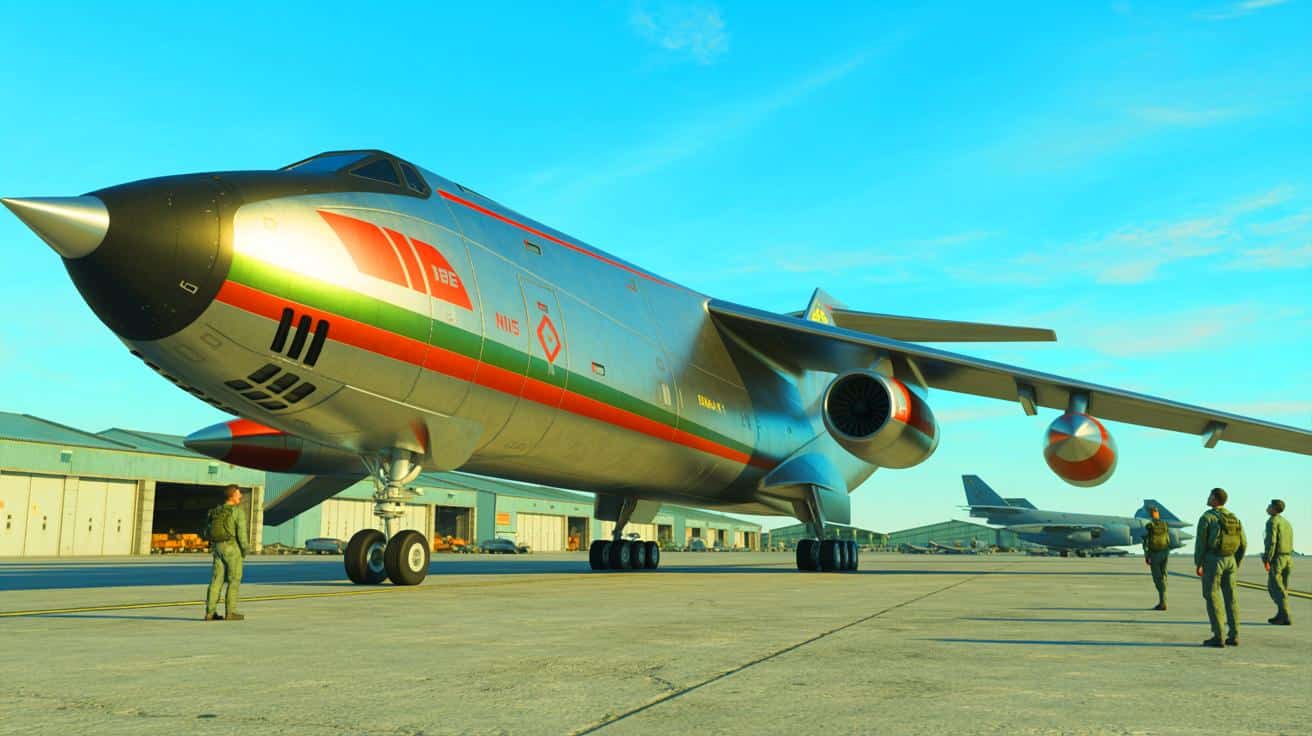
The aviation industry stands on the cusp of a transformative era, as a Colorado-based company, Radia, unveils its ambitious WindRunner cargo jet concept. This potential game-changer was showcased at the Air & Space Force Association’s annual conference, drawing attention to the looming necessity for advanced heavy lift cargo capabilities. As current U.S. military aircraft age and global demands for transporting outsized loads rise, the WindRunner emerges as a visionary solution, albeit one still in its conceptual phase. Its promise lies not only in its sheer size but also in its innovative approach to addressing both commercial and military transportation needs.
The Vision Behind WindRunner
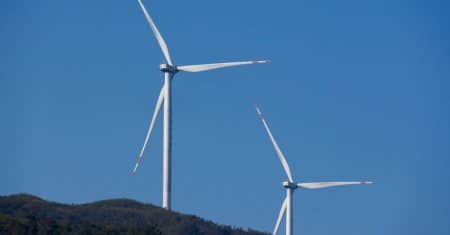
The WindRunner cargo jet, conceived by Radia, represents a significant leap forward in aviation design. Originally aimed at the commercial sector, it was designed to transport massive wind turbine blades, which are up to 300 feet long. However, its potential extends far beyond its initial purpose. Radia envisions the WindRunner as a versatile airframe capable of transporting tanks, helicopters, and other large military equipment to remote locations. This adaptability has caught the attention of both defense and commercial sectors, highlighting its potential to serve multiple industries.
Central to WindRunner’s appeal is its unprecedented cargo volume. Boasting approximately 270,000 cubic feet of space, it offers seven times the volume of the C-5M Galaxy and twelve times that of the C-17A Globemaster III. This vast capacity could revolutionize how outsized loads are transported, providing solutions to current challenges faced by military logistics. As current aircraft often struggle to accommodate large items without disassembly, WindRunner’s design aims to eliminate these constraints, presenting a more efficient way to move mission-ready equipment.
The Military's Evolving Needs
The U.S. Air Force is actively seeking a Next Generation Airlift (NGAL) platform to replace its aging fleet, including the C-5M and C-17A. The WindRunner enters this landscape at a critical juncture, offering a potential solution to meet evolving military requirements. As global threats become more complex, the military emphasizes speed, flexibility, and enhanced defense capabilities for future airlift platforms. The WindRunner's design aligns with these objectives, although challenges remain, particularly concerning its range and refueling needs.
The current heavy lift aircraft, such as the C-5M, can transport up to 140 tons but face limitations in available volume. The WindRunner, while offering less maximum payload weight at 72.6 tons, compensates with its expansive cargo hold, making it an attractive option for missions that prioritize volume over weight. However, its range of 1,200 miles poses a significant limitation, necessitating aerial refueling for long-distance operations. Radia acknowledges this challenge and plans to incorporate refueling capabilities for military contracts, though this feature will not be available in the initial commercial models.
Commercial and Defense Implications
Radia's WindRunner reflects broader trends in the aerospace industry, where the lines between commercial and military applications are increasingly blurred. The aircraft's ability to serve dual purposes could position it as a strategic asset in both sectors. With a design that utilizes largely proven, off-the-shelf systems, Radia aims to streamline WindRunner's development process, enhancing its appeal to potential investors and partners.
Financially, Radia has raised over $150 million and is actively seeking additional funding through government support, commercial partnerships, and private capital. This financial backing is crucial for advancing WindRunner from concept to reality. The company has also received Letters of Intent from major global customers, indicating strong interest in its capabilities. However, these letters are not binding contracts, underscoring the uncertainties that still surround the project.
Future Prospects and Challenges
As Radia pushes forward with the WindRunner, several challenges and opportunities lie ahead. The company aims for a first flight by 2030, a timeline that reflects the complexities involved in developing such an innovative aircraft. While the WindRunner has the potential to fill a critical gap in heavy lift capabilities, its success will hinge on continued financial support and overcoming technical hurdles related to range and operational flexibility.
The U.S. military's future airlift strategy will likely involve a combination of assets, blending commercial and military solutions. As existing aircraft age and global demands shift, the WindRunner could play a pivotal role in addressing these needs. However, whether it will ultimately wear the insignia of the U.S. Air Force remains uncertain. As the world anticipates advancements in airlift technology, one question lingers: Can Radia's WindRunner truly redefine the future of heavy lift aviation?


Wow, a cargo jet that can carry tanks? 🚀 That’s some serious lifting power!
Wow, this WindRunner sounds like a game-changer for the military! How soon can we expect to see it in action? 🚀
Is it really practical to transport tanks in a plane? Sounds like a logistical nightmare! 🤔
I’m curious, how does the WindRunner compare to the Antonov An-225?
Thank you for this detailed article, it’s fascinating to see how aviation technology is evolving!
How does the WindRunner compare to the Antonov An-225 in terms of cargo capacity?
Nice article, but isn’t it too early to get excited since it’s just a concept?
The WindRunner’s range seems quite limited. Will they be able to improve that with new technology?
Honestly, this sounds like another over-hyped project that may never take off. 😒
Thank you for this informative piece. It’s interesting to see how military needs drive innovation.
If it’s originally designed for turbine blades, how safe is it for military equipment?
Could this be used for humanitarian missions as well? Seems like a perfect fit.
Can the WindRunner be adapted for humanitarian missions, like delivering aid in disaster zones?
What happens to the old aircraft if this gets approved? 🤷♂️
Radia better have some strong wings on this thing! 😂
Great article! I’m excited to see how this could influence commercial shipping too. 📦
Seems like a big risk financially. Is $150 million really enough to get this off the ground?
Such an impressive project! How long until we see it in full production?
Does the WindRunner have any environmental considerations built into its design?
I just hope this doesn’t end up as a money pit. Aerospace projects often go way over budget!
Interesting concept but why focus on volume when weight limits are still a challenge?
Will this be available for international military forces or just the U.S.?
With tech evolving so fast, will the WindRunner be obsolete by 2030? 🤷
It’s about time the military got an upgrade! This could really change the game. 🛩️
Are there any plans to use this technology for passenger transport in the future?
Sounds cool, but I’m skeptical about the timeline. 2030 seems a bit optimistic, no?
How will they handle maintenance for such a large and presumably complex aircraft?
Is the WindRunner’s cargo hold pressurized? Could it transport people in emergencies? 🤔
The design shifts from commercial to military use are intriguing. How flexible is it really?
What about airstrip requirements? Can it land and take off from standard military bases?
Looks like a great idea on paper, but execution will be key. Fingers crossed! 🤞
How does it handle extreme weather? Always a concern with larger aircraft.
Fascinating read, but I’d love more technical details on its construction! 🔧
Does the WindRunner have stealth capabilities for tactical missions? 🕵️♂️
What happens if the funding falls through? Is there a backup plan? 🤷♀️
Why not just upgrade the existing fleet instead of developing a whole new aircraft?
The blend of commercial and military tech is promising. What other projects are similar?
This sounds like something out of a sci-fi movie! Can’t wait to see it in action. 🎬
Will the WindRunner affect the job market in the aviation industry? ✈️