


| IN A NUTSHELL |
|
In a remarkable scientific breakthrough, researchers have discovered a monumental iron ore deposit in Western Australia. This find, with its vast economic potential, is poised to not only transform the global mining landscape but also challenge long-standing geological theories. With an estimated value running into trillions of dollars, the discovery is drawing attention from both scientists and economists who are eager to explore its implications. As the global demand for iron increases, this new reserve promises to reshape how we understand Earth’s geological history and resource distribution.
Unveiling a Massive Resource: The Details of the Discovery
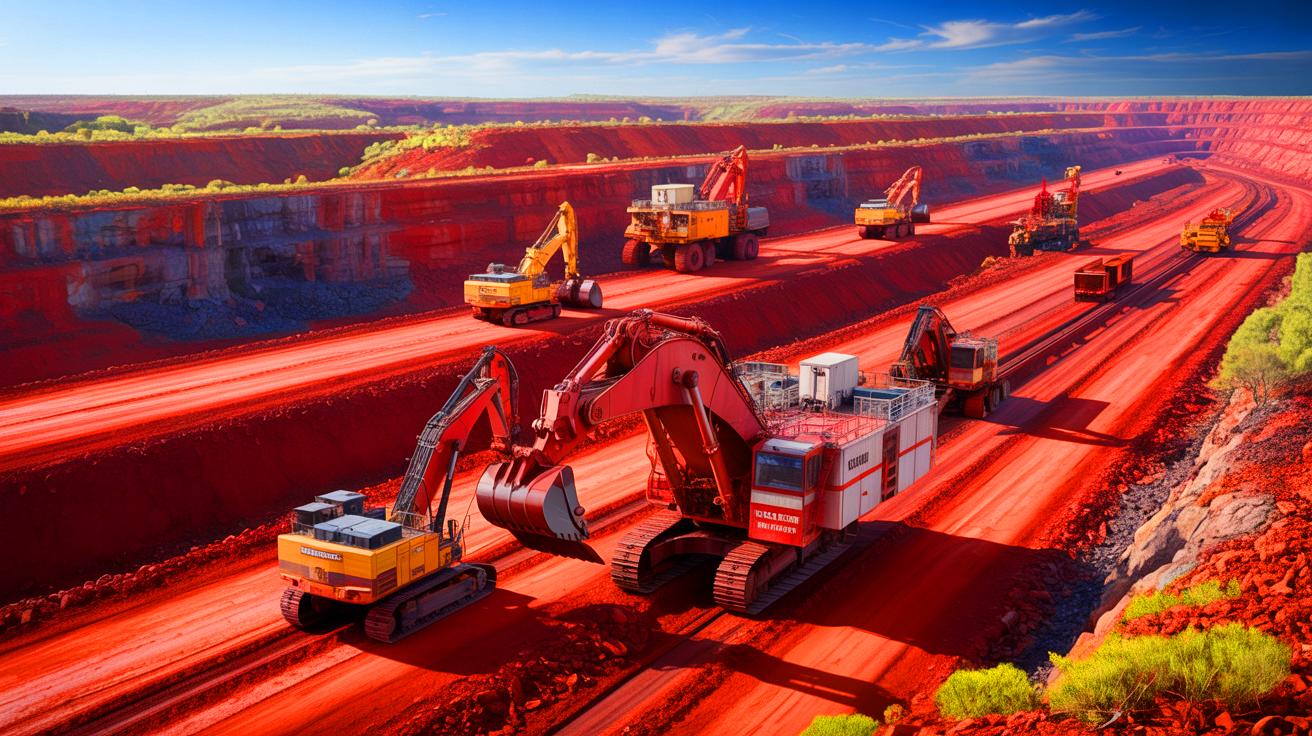
The newly uncovered iron ore deposit in Western Australia is estimated to hold a staggering 60 billion short tons of iron ore. This translates to an approximate value of $5.775 trillion, assuming an average price of $95 per short ton. Such a colossal find has the potential to disrupt current perceptions of iron ore resources and the geological processes that create them. Dr. Liam Courtney-Davis, a leading geologist, remarked that this discovery could “compel us to rewrite significant chapters on mineral formation and large-scale geological processes.”
The implications of this discovery extend beyond its immediate economic impact. The sheer size of the deposit necessitates a reevaluation of how these extensive iron formations originated. This forces scientists to delve deeper into Earth’s geological past, exploring the complex processes that led to such formations. As global iron demand continues to rise, the challenge lies in balancing the extraction of this resource with environmental sustainability and responsibility. The world now faces the task of leveraging this opportunity while mitigating its ecological impact.
Revisiting Geological Timelines: A New Perspective on Age
Beyond its size, the Hamersley deposit prompts a reevaluation of previous assumptions regarding the age of mineral formations. Initially believed to be 2.2 billion years old, these deposits are now thought to date back 1.4 billion years. This revision is linked to the cycles of supercontinents, offering fresh insights into Earth’s historical geological movements. A study co-author noted, “finding a connection between these massive deposits and changes in supercontinent cycles enhances our understanding of ancient geological processes.”
These revelations are pivotal for geologists aiming to map the history of Earth’s crust. By refining these timelines, researchers can better predict where other valuable mineral deposits might be found, potentially unlocking new resources. This paradigm shift in geological chronology not only enriches our understanding of Earth’s past but also informs future mining endeavors and scientific investigations.
Cutting-Edge Technology: The Key to Discovery
The discovery of this iron-rich deposit was made possible through advanced technology, including isotopic dating and chemical analysis. These methods have significantly increased the known iron composition from an initial 30% to over 60% today. Such technological advancements are crucial in predicting future mining explorations and developing more efficient extraction strategies. The role of technology in such discoveries cannot be understated, as it enhances the economic viability of mining operations and deepens our understanding of Earth’s mineral wealth.
By employing cutting-edge techniques, scientists can identify and evaluate mineral deposits with remarkable precision. This technological edge aids in the efficient extraction of resources while minimizing environmental impact. As the mining industry evolves, integrating advanced technology will be essential to ensure sustainable practices and maximize economic returns, all while preserving the environment.
Global Impact: Economic and Strategic Implications
Australia’s position in the global mining industry is well established, thanks to its vast iron reserves. With this new discovery, the country is poised to further solidify its dominance, potentially influencing international trade agreements and the stability of iron prices. The implications reach beyond the mining sector, as this find could lead to a reassessment of long-held geological hypotheses. This discovery energizes not only the mining industry but also the entire scientific community, encouraging the search for other massive deposits worldwide.
This finding is set to have profound effects on global markets. As demand for iron continues to rise, especially in developing countries, the economic implications of such a vast resource are immense. The influx of iron from this deposit could impact global pricing structures, trade policies, and even geopolitical dynamics. As nations vie for a share of this resource, the question remains: how will international relations and economic strategies evolve in response?
As the dust settles on this monumental discovery, the world watches with bated breath to see how it will transform both the mining industry and our understanding of geological processes. What new insights and opportunities might arise from this find, and how will they shape the future of Earth’s resources?


Wow, 55 billion tons? That’s a mountain of iron! 🏔️
How long will it take to begin extracting iron from this deposit?
Is this the largest discovery of iron in history?
I’m curious, what advanced technology was used for this discovery?
55 billion tons? I hope it’s not April Fools! 😜
Can’t wait to see how this will reshape global trade dynamics.
How will this massive find affect the jobs in the mining industry?
Thank you for such a detailed article. Really informative!
How does this discovery challenge existing geological theories?
Will this lead to more investments in mining technology?
How will this discovery affect the local ecosystems in Western Australia?
How sustainable is extracting such a large amount of iron?
55 billion tons… Imagine the size of the trucks needed! 🚛
What could be the geopolitical impacts of this discovery?
I’m excited to see how this will influence scientific research.
How does this find compare to other large mineral discoveries?
Thank you for the article. Very enlightening!
What precautions are being taken to protect the environment?
Isn’t technology amazing? This find is a testament to human ingenuity. 🧠
Are there any plans to explore similar deposits elsewhere?
How will this discovery affect small-scale miners?
Will this find spark new geological research projects?
I’m amazed by the potential economic impact. Trillions of dollars!
Could this change the power dynamics in the global mining sector?
Isn’t it amazing how technology is changing the game in mining? 🤖
How do local communities feel about this discovery?
55 billion tons… That’s literally tons of potential! 🏋️♂️
What’s the timeline for extracting the iron from this deposit?
Thank you for such a well-written piece. I’ve learned a lot!
55 billion tons? Maybe I should start my own iron business! 😂
Thank you for the insightful article. It really opened my eyes to geological possibilities.
Will this find lower the price of iron globally?
I’m skeptical. How accurate are these initial estimates?
Does this mean we’ll see a decrease in iron recycling efforts?
Incredible! But what about the environmental impact? 🌿
So, is this discovery going to make Australia the new iron capital of the world?