




| IN A NUTSHELL |
|
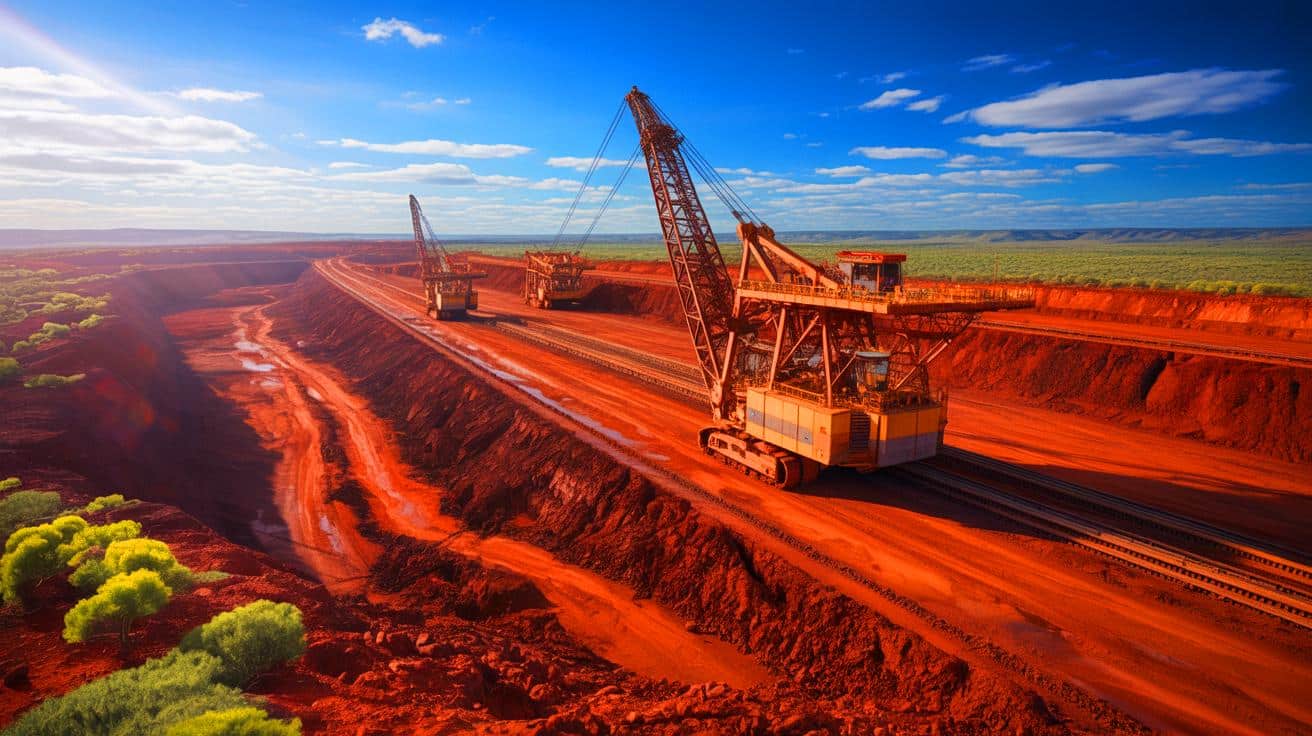
The recent discovery of a massive iron ore deposit in Western Australia’s Pilbara region has sent shockwaves through the geological and economic communities. This deposit, valued at nearly $6 trillion, boasts iron concentrations exceeding 60%, making it one of the richest finds globally. This development is poised to significantly influence the global iron market and challenge existing geological theories. As nations and industries digest the implications, the discovery promises to reshape international trade dynamics and enhance our understanding of Earth’s geological history.
The Heart of the Pilbara: A Treasure Trove of Iron
The Pilbara region, known for its mineral wealth, has uncovered an astonishing new chapter in its geological history. The world’s largest iron ore deposit, hidden beneath its rugged surface, has redefined the area’s geological map. Historically, the Hamersley region has served as a mining hub, but modern technology has revealed iron concentrations that far exceed past estimates. This revelation not only underscores the Pilbara’s significance but also highlights the dynamic processes that formed these deposits.
Recent studies have revised the age of the formations from 2.2 billion to approximately 1.4 billion years, suggesting ancient supercontinent cycles played a crucial role in mineral deposit formation. Earth’s crustal shifts over millions of years created optimal conditions for these rich concentrations. This breakthrough enriches our understanding of ancient geological events and sets the stage for further discoveries in similar environments worldwide.
Technological Advances Uncover Hidden Depths
This groundbreaking discovery was made possible through advanced technological methods. Geologists employed cutting-edge isotopic dating and chemical analysis to ascertain the size and quality of the ore. Initial estimates of a 30 percent iron content were dramatically surpassed, with recent analyses revealing concentrations over 60 percent. This places the deposit among the richest globally, a testament to the power of technological innovation in geology.
Beyond academic interest, these technological breakthroughs enhance mining efficiency and environmental sustainability by reducing waste and optimizing extraction. This advancement sets a new industry standard and raises hopes for future explorations. As researchers refine these methods, the potential to discover other vast deposits grows, offering promising prospects for understanding Earth’s mineral resources.
Global Impact on the Iron Market
Australia’s role as a key player in the global iron market is further solidified by this discovery. The deposit’s scale is expected to impact global iron prices, potentially altering economic and strategic alliances among nations dependent on iron imports. As countries reassess their dependencies, new trade agreements and partnerships may emerge, reshaping the international mining landscape.
Beyond economic implications, the discovery challenges long-standing geological theories. By studying the region, researchers aim to uncover processes that shaped Earth’s surface and mineral wealth. These insights could revolutionize understanding of mineral formation and inspire exploration in similar geological environments worldwide.
Rewriting the Geological Narrative
The discovery’s implications extend beyond immediate economic gains, offering a chance to revolutionize geological history. It questions established scientific beliefs and encourages deeper exploration of ancient processes that formed significant mineral deposits. This find not only enhances understanding of Earth’s past but also fuels future research endeavors, potentially leading to breakthroughs in geology and mining.
The insights gained could unlock new opportunities for exploration and discovery. As researchers delve into the mysteries of the Pilbara region, the potential to uncover more vast mineral deposits grows. This heralds exciting developments in the years ahead, challenging our understanding of Earth’s history and shaping future exploration strategies.
As the world grapples with the implications of this monumental find, a lingering question remains: what other secrets lie beneath Earth’s surface, waiting to challenge our understanding and reshape our future?


Wow, $6 trillion! That’s a lot of zeros. 💰💰💰
Wow, $6 trillion! That’s more than I have in my piggy bank. 😂
Can this discovery really affect global iron prices immediately? 🤔
How will this discovery affect local communities in the Pilbara region?
Thank you for sharing such interesting geological news! 🌍
Thank you for the detailed article! Really enlightening. 😊
How will this impact Australia’s economy in the long run?
Is this going to cause an iron rush? I better grab my pickaxe! 🪓
Isn’t it risky for the environment to start mining such a massive deposit?
Does this mean we might see cheaper steel prices soon?
The Pilbara region seems to be full of surprises! 🌟
I’m curious about the environmental impact of mining such a massive deposit.
60% iron concentration is insane! Is that the highest ever recorded?