



| IN A NUTSHELL |
|
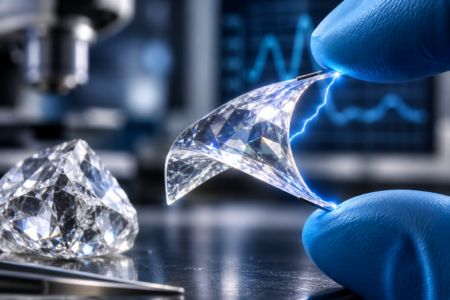
In a remarkable scientific breakthrough, Japanese researchers have introduced a novel approach to energy storage by using depleted uranium, a byproduct of nuclear processes, as the key component in rechargeable batteries. This innovation, spearheaded by the Japan Atomic Energy Agency (JAEA), holds the potential to transform how we utilize nuclear waste and address global energy challenges. By converting what was once considered waste into a valuable energy resource, this technology could revolutionize renewable energy storage solutions. As this pioneering development unfolds, it prompts a deeper examination of its implications and the challenges it faces in moving from concept to widespread application.
Revolutionizing Energy Storage with Nuclear Waste
The advent of uranium-based batteries marks a significant leap in energy storage technology. The Japan Atomic Energy Agency (JAEA) has pioneered the world’s first rechargeable battery that employs depleted uranium as an active material, redefining the perception of nuclear waste. This breakthrough is set to change how we view and utilize nuclear byproducts, traditionally considered hazardous and challenging to store.
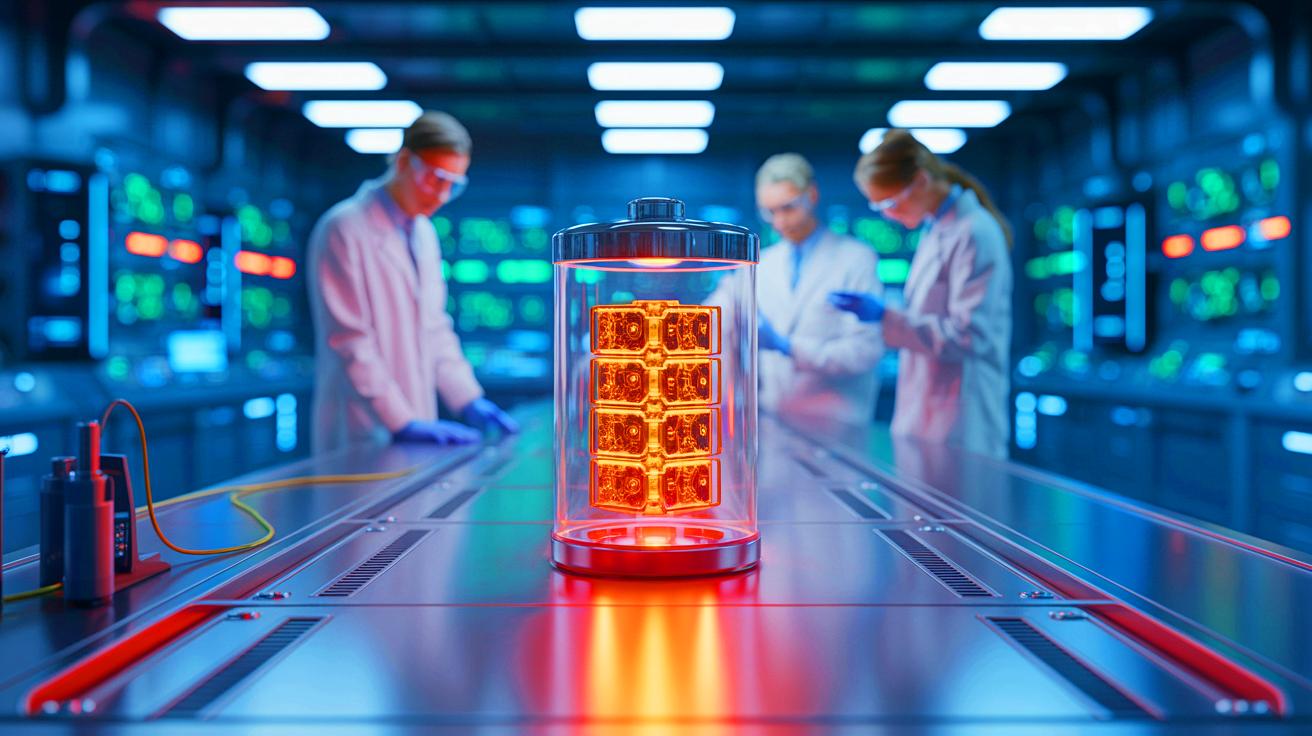
Depleted uranium has long posed storage challenges, with vast quantities accumulating globally. The JAEA’s innovation seeks to harness this material’s potential rather than viewing it as a burden. The uranium-based battery operates on a principle similar to conventional batteries, using uranium instead of lithium or lead. The prototype, a compact unit measuring 4 inches by 2 inches, delivers a voltage of 1.3 volts, akin to a standard AA battery. Notably, after multiple charge and discharge cycles, the prototype demonstrated impressive stability, underscoring its viability as an energy storage solution.
Assessing Safety Concerns
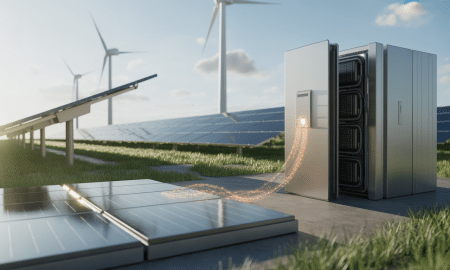
The potential of uranium-based batteries extends beyond their immediate technological promise. Japan alone accounts for 17,637 tons of depleted uranium, part of a global total of 1.76 million tons. If perfected, this technology could transform this surplus into a crucial energy resource. One notable advantage of uranium-based batteries is their capacity to store renewable energy. This capability could enable solar farms to capture and release energy more effectively, optimizing the use of nuclear waste.
However, the use of uranium raises legitimate safety concerns. Researchers point out that depleted uranium is significantly less radioactive than enriched uranium used in reactors. Nonetheless, these batteries are initially restricted to controlled environments like nuclear facilities. Extensive testing will be required over the coming years before they can be integrated into everyday devices. The ultimate question remains: will this innovation become a staple in the energy market, or will it remain a conceptual prototype?
Potential Applications and Future Prospects
Uranium-based batteries have the potential to extend far beyond industrial applications. Their promise for the renewable energy sector is immense, offering a reliable storage solution that could boost the adoption of solar and wind energy, which often suffer from inconsistent supply. By providing steady, efficient storage, these batteries could help overcome one of the significant hurdles facing renewable energy.
Moreover, the deployment of these batteries in remote or off-grid locations could offer sustainable energy solutions where traditional infrastructure is lacking. By efficiently storing and deploying energy using nuclear waste, these batteries could reduce reliance on fossil fuels, contributing to global climate change mitigation efforts. As research advances, the possibilities for uranium-based batteries appear vast, suggesting a future where nuclear waste is transformed from a liability into a significant asset.
Challenges and Considerations
While the potential of uranium-based batteries is significant, several challenges must be addressed before they can be widely adopted. Safety concerns related to radioactivity, although minimized with depleted uranium, necessitate strict protocols and regulations. Public perception and acceptance of nuclear technologies also present hurdles that must be navigated carefully.
The costs associated with research, development, and regulatory approval could delay the deployment of this technology. However, the potential benefits of turning a waste product into a valuable energy resource are too significant to overlook. With continued innovation and collaboration, these challenges can be addressed. The role of nuclear waste in the transition to sustainable energy solutions could prove pivotal as the world seeks to address pressing energy and environmental challenges.
Japan’s innovative approach to utilizing depleted uranium for energy storage offers a glimpse into a potential future where nuclear waste becomes an asset rather than a problem. This groundbreaking technology poses a compelling proposition: transforming a problematic byproduct into a key component of sustainable energy. Yet, as with all pioneering technologies, questions remain. Will uranium-based batteries become a cornerstone of future energy solutions, or will challenges and skepticism keep them from reaching their full potential? The journey towards a nuclear-powered future is just beginning, and the answers are yet to unfold.


Wow, using nuclear waste for batteries? That’s mind-blowing! 💥
Wow, turning nuclear waste into something useful? That’s ingenious! 🙌
Is it safe to have uranium-based batteries in our homes? 🤔
I’m all for renewable energy, but how long before we see these batteries in the market?
This sounds amazing, but is it really safe to use depleted uranium like this?
Thank you for sharing such an incredible breakthrough! More articles like this, please! 😊
Sounds promising, but I wonder about the environmental impact. Any studies on that?
Great innovation! Thanks Japan for turning waste into something useful. 😊
Finally, a use for nuclear waste! Who would’ve thought? 😄
Can these batteries be recycled or will they end up as waste after use?
Could these batteries replace lithium-ion ones in our phones? 🤔
I’m skeptical about the safety. What precautions are in place to prevent radiation exposure?
How does the efficiency of these batteries compare to lithium ones?
I hope they don’t glow in the dark! 😜
17,637 tons is a lot of depleted uranium! This could be a game changer.