


| IN A NUTSHELL |
|
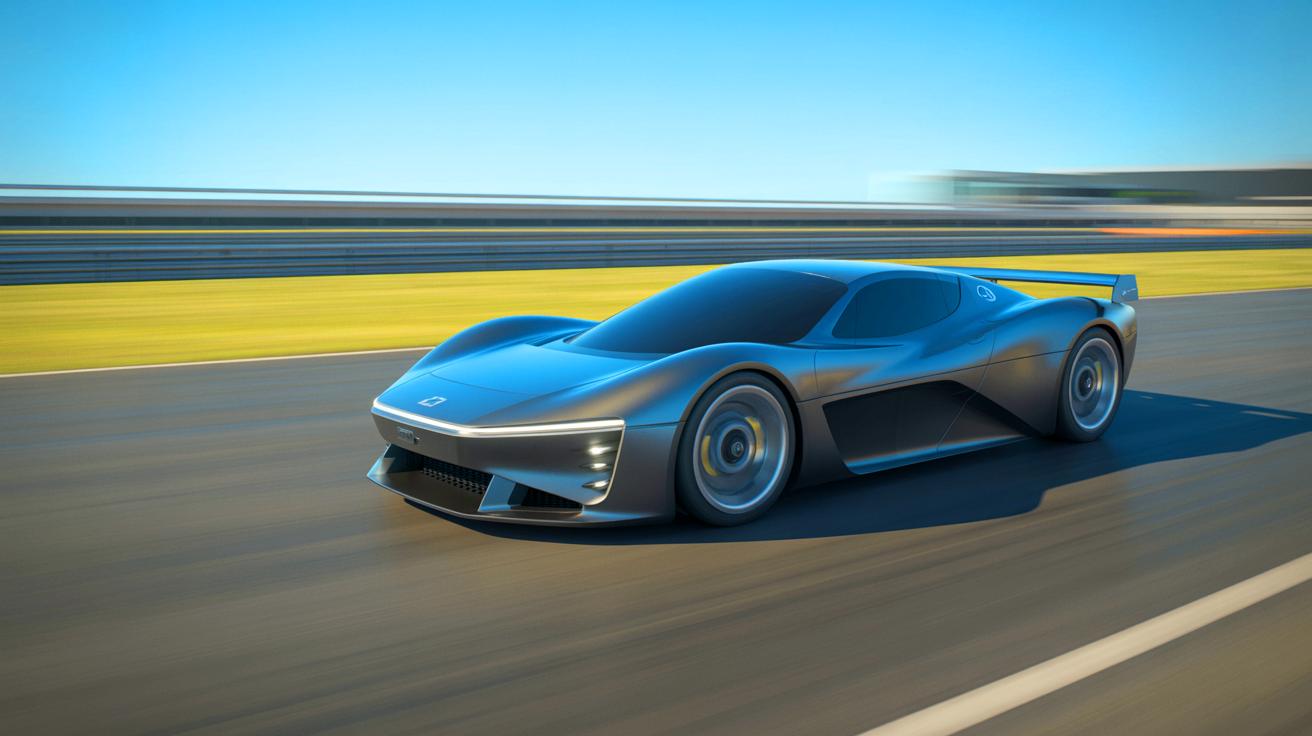
The world of electric vehicles has witnessed a milestone achievement that underscores the rapid advancements in automotive technology. On August 8, 2025, Chinese automaker BYD shattered the speed record for electric vehicles with its supercar, the YANGWANG U9. This remarkable feat was achieved in Germany at the ATP Automotive Testing Papenburg track, highlighting China’s growing dominance in the electric vehicle market. As the world moves towards sustainable transportation, this achievement reflects the potential of electric vehicles to compete with traditional internal combustion engines not only in eco-friendliness but also in performance.
Breaking Barriers: A New Benchmark in Speed
The ATP Automotive Testing Papenburg track in Germany witnessed an extraordinary event as the YANGWANG U9 reached an unprecedented speed of 472.41 km/h (approximately 293.67 mph). This achievement was orchestrated by German racing driver Marc Basseng, who piloted the vehicle during this record-setting run. The previous record, set in July 2025 by Rimac’s Nevera R, stood at 431.62 km/h (approximately 268.99 mph). BYD’s accomplishment not only surpasses this mark by over 40 km/h but also demonstrates the significant progress electric vehicles have made in a short time.
The YANGWANG U9 is not just any electric car. It is a testament to BYD’s engineering prowess and ambition in the automotive sector. The company released a video showcasing the thrilling experience from within the car as it broke the speed record, offering a glimpse into the future of high-performance electric vehicles. This achievement marks a significant milestone for BYD, further solidifying its position as a key player in the global electric vehicle market.
Electric Supercars Approaching Conventional Limits
While BYD’s YANGWANG U9 has set a new record for electric vehicles, it still trails behind the fastest gasoline-powered supercars. According to CarWow, the current world speed record for any car is held by the Koenigsegg Jesko Absolut, which has reached 499 km/h (approximately 310.12 mph). Following closely is the SSC Tuatara, clocking in at 475 km/h (approximately 295.15 mph). The YANGWANG U9’s achievement places it third on this leaderboard, showcasing the narrowing performance gap between electric and traditional supercars.
Rimac’s Nevera R, which previously held the electric speed record, is now positioned at fifth place. The rise of BYD onto this elite list signifies a broader trend in the automotive industry: electric vehicles are no longer just about sustainability; they are about raw, unadulterated performance. This shift indicates a future where electric cars could become the new benchmark for speed and performance, challenging the dominance of internal combustion engine vehicles.
The Implications of BYD’s Achievement
BYD’s record-breaking performance with the YANGWANG U9 is more than just a headline-grabbing achievement; it has significant implications for the future of the automotive industry. This feat demonstrates the capability of electric vehicles to rival, and potentially surpass, their gasoline-powered counterparts in terms of speed and performance. As battery technology continues to improve, offering longer ranges and quicker charging times, the appeal of electric supercars will likely increase among consumers and enthusiasts alike.
The success of the YANGWANG U9 also underscores China’s growing influence in the global automotive market. With companies like BYD pushing technological boundaries, China is positioning itself as a leader in the electric vehicle space. This could lead to increased competition with established automotive giants from Europe, the United States, and Japan, driving further innovation and development across the industry.
What Lies Ahead for Electric Supercars?
The future of electric supercars looks promising, with increasing investments in research and development. The rapid advancements showcased by BYD’s YANGWANG U9 suggest that the electric vehicle industry is poised for continued growth and transformation. As consumers become more environmentally conscious, the demand for high-performance electric vehicles is expected to rise, leading to further breakthroughs in speed, efficiency, and design.
The question remains: how will traditional automakers respond to the challenge posed by electric vehicles? Will they innovate to maintain their competitive edge, or will they embrace the electric revolution and pivot towards sustainable technologies? The automotive industry’s landscape is evolving, and the coming years will likely see a fascinating interplay of innovation, competition, and collaboration. As electric supercars continue to push the boundaries of what is possible, the world watches eagerly to see what the future holds.



Wow, that’s fast! But how does the YANGWANG U9 compare in terms of range and battery life? 🔋
Wow, 293.67 mph! That’s faster than my Wi-Fi speed! 😂
Is this speed even usable on regular roads, though? 🤔
Is the YANGWANG U9 available for purchase, or is it just a prototype?
Congrats to BYD and Marc Basseng for this incredible achievement! 🎉
Impressive achievement, but how does the range hold up at those speeds? 🤔
Can someone explain why this is important for the average car buyer?
Are there any safety concerns with driving an electric car at such high speeds?
How do they ensure the driver’s safety at such high speeds?
Impressive accomplishment, but I’m still waiting for flying cars. 🚀😂
China’s really stepping up their game in the auto industry. Kudos to BYD! 🚗
Does this mean electric cars are finally catching up with traditional supercars?
Isn’t this just a publicity stunt? How often will people really drive this fast?
I wonder how long it takes to charge after a run like that?
Could this new speed record impact insurance rates for electric supercars?
How long before electric cars surpass gasoline-powered ones in all aspects?
Hope they consider launching a more affordable model with some of this tech!
This is a huge win for the electric vehicle industry! Keep it up, BYD! 💪
How does the YANGWANG U9 handle extreme weather conditions?
Can we expect similar innovations from other electric vehicle manufacturers?
Great achievement, but what about the environmental impact of producing these supercars?
Are there any plans to make this technology available in consumer models?
How does this speed record compare to Tesla’s fastest models?
BYD is really stepping up their game! Can’t wait to see what’s next. 🚗💨
How much does one of these supercars cost? Is it just for the ultra-rich?
Speed is cool, but what about charging infrastructure for these supercars?
Does anyone know what kind of tires are needed to handle such speeds?
Could this be a turning point for electric vehicles in sports racing?
How does the YANGWANG U9’s energy efficiency compare to other supercars?
What role do government policies play in advancements like this?
I wonder what the acceleration feels like in the YANGWANG U9. Must be insane! 🚀
Can someone explain how they achieved this speed with electric power?
Is this just the beginning of the electric supercar era?
What’s next for BYD after breaking this record?
Has the YANGWANG U9 been tested for reliability over long distances?
How does this impact the resale value of electric supercars?
I’d love to see a drag race between this and a top gasoline supercar. 🏁
Is this car available for test drives or just for show?
Does this mean we’ll see more electric cars in motorsports soon?
How sustainable is the production of these high-performance electric vehicles?
Does the YANGWANG U9 support over-the-air updates like Tesla?
How do they ensure the batteries don’t overheat at such high speeds?
Is this speed record likely to be broken soon, or will it stand for a while?
How does this feat affect BYD’s stock prices? 📈