




| IN A NUTSHELL |
|
In recent years, the global race for clean energy dominance has intensified. The United States, once a leader in solar technology, now faces a significant challenge from China. This shift comes amid policy changes that favor traditional energy sectors over emerging technologies. The Trump administration’s support for fossil fuels has inadvertently strengthened China’s position in the clean energy market. As the U.S. scales back its investments in renewable energy, China continues to expand its influence, leveraging substantial government support to lead in solar, wind, and electric vehicle technologies. This raises important questions about the future of energy innovation and the geopolitical landscape.
The Rise of China’s Clean Energy Industry
China’s dominance in the clean energy sector did not happen by chance. In the late 2000s, the Chinese government identified solar energy as a strategic priority. By providing substantial subsidies and implementing targeted policies, China successfully scaled up its production capabilities. This approach led to significant product improvements and cost reductions, making Chinese solar panels more competitive globally. Today, China is not only a leader in solar energy but also in other renewable sectors such as wind and electric vehicles.
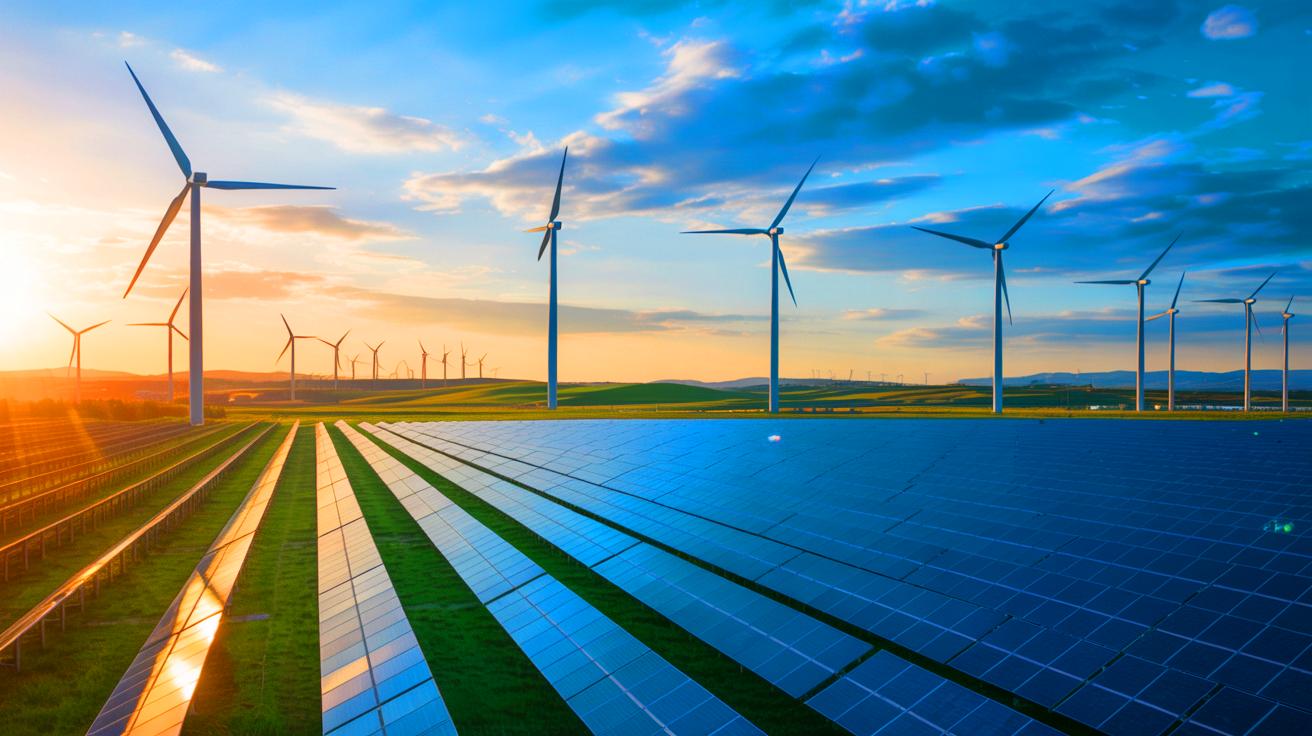
China’s clean energy strategy has had far-reaching effects on its economy and environment. The country has installed nearly three times as many wind turbines as the United States, and its solar power generation surpasses that of the U.S. by a wide margin. Moreover, China is home to five of the ten largest electric vehicle companies in the world, and it dominates the global battery market. These achievements have allowed China to reduce pollution, create jobs, and strengthen its trade relationships, thereby enhancing its global influence.
China Firm Sparks US Fears: This New Battery Defies -40°F, Solar Industry Faces Potential Disruption
U.S. Policy Shifts Under the Trump Administration
The Trump administration’s energy policies have marked a significant shift from previous efforts to promote renewable energy in the United States. By rolling back federal support for solar and wind power, the administration has prioritized traditional fossil fuels such as coal, oil, and natural gas. This approach aims to protect legacy industries but has stalled the progress of the clean energy sector.
One notable decision was the reduction of subsidies for renewable energy projects, which were initially introduced in the Inflation Reduction Act of 2022. Additionally, the administration has imposed restrictions on cleantech projects that rely on Chinese materials, a move intended to penalize Chinese industries. However, this has made many U.S. projects financially unsustainable, further hindering the growth of domestic clean energy initiatives.
Impact on Innovation and Global Leadership
The decline in federal investment for clean energy has broader implications for innovation and global leadership. Without strong governmental support, American entrepreneurs and investors are reluctant to invest in new energy technologies. Venture capitalists have expressed concerns that many U.S. climate-tech companies are looking overseas for opportunities, where they can rely on supportive policies.
This shift could lead to a loss of potential innovations and businesses that might have contributed to the U.S. economy. As subsidies disappear and funding dwindles, the gap between the U.S. and China in clean energy technology is likely to widen. China’s ability to harness the clean-energy transition has positioned it as a formidable competitor on the global stage, while the U.S. risks falling behind in industries that will shape the future.
The Role of Science and Public Policy
The Trump administration’s approach to climate science has also raised concerns. Efforts to revoke the Obama-era “endangerment finding,” which serves as the legal foundation for regulating greenhouse gas emissions, have been met with criticism from the scientific community. A report used to challenge this finding has been described as biased and inaccurate by numerous scientists.
In response, over 85 scientists submitted a comprehensive rebuttal highlighting errors and biases in the report. They argue that the administration’s stance relies on outdated climate-denial arguments and dismisses decades of peer-reviewed research. This ongoing debate underscores the importance of science-driven policy in addressing climate change and its impacts.
As the world grapples with the challenges of climate change, the actions of major economies like the U.S. and China will have lasting impacts. The current trajectory of U.S. policy raises critical questions about the nation’s commitment to addressing climate change and investing in future industries. How will these decisions shape America’s role in the global clean energy landscape, and what steps can be taken to ensure a sustainable and innovative future?


So, does the U.S. plan to catch up or just wave goodbye to renewable energy innovation? 🤔
Wow, China is really taking the lead here! 🌍 But what does this mean for global climate change efforts?
Does anyone else feel like we’re shooting ourselves in the foot by cutting renewable subsidies? 🤔
This article really highlights the growing gap between U.S. and China in green tech. Thanks for the insights!
The Trump administration seems to be living in the past. Fossil fuels are so last century!
Isn’t it ironic that the U.S. is falling behind in technology it helped pioneer? 🤷♂️
Is there a way for the U.S. to catch up with China in clean energy, or is it too late?
Why are we not investing in the future? We need more support for renewable energy, not less!
China’s approach seems to be more strategic. Why is the U.S. not following suit?
America First, but only if it means falling behind in clean energy. 🤦♂️
Can someone explain why fossil fuels are still getting so much love from the government?
How do these policy shifts impact everyday Americans? Are jobs at risk?
It’s disheartening to see the U.S. lagging in such a crucial global industry.
Great article, but I’m not convinced that cutting subsidies is all bad. Aren’t markets supposed to be competitive?
Maybe we should start learning Mandarin… Just kidding! But seriously, we need to step up our game.
Maybe the U.S. should just import more wind turbines from China. 😂
Thank you for highlighting these important issues. It’s critical that more people pay attention! 🙏
Is there any hope for a policy reversal in the near future?
Can anyone explain why the U.S. is cutting subsidies while other countries ramp up their investments?
Should we be worried about American climate-tech companies leaving for greener pastures?
What can individual states do to support renewable energy in the absence of federal support?
This feels like a massive missed opportunity for innovation and job creation.
Can someone clarify the role of the Inflation Reduction Act of 2022 in all this?
Why aren’t we listening to scientists? The evidence for climate change is overwhelming.
Does anyone know the impact of these policies on U.S. solar and wind projects?
It’s a shame to see politics getting in the way of progress. 😞
How does this affect the average consumer? Will energy costs go up?
Has anyone else noticed that China is quietly becoming a global superpower in clean energy?
Are there any bipartisan efforts underway to support renewable energy in the U.S.?
What measures can be taken to retain climate-tech companies in the U.S.?
Is there a silver lining here, or is the situation as bleak as it seems?
Why does it seem like the U.S. is always a step behind when it comes to renewable energy?
Can we really trust the administration to make science-driven policy when it comes to climate change?
At this rate, we’ll be importing clean energy technology from China. 🤷♂️
What are the long-term consequences of these policy decisions for the U.S. economy?
Does anyone have insights into how this might affect U.S.-China relations?
Would love to hear more success stories of U.S. companies thriving despite these challenges! 🌟
Is there any chance of the new administration changing these policies?
Renewable energy should be a bipartisan issue. It’s about the future of our planet!