


| IN A NUTSHELL |
|
In a groundbreaking development, Japanese researchers have unveiled a new technology that could transform how we think about energy storage. By converting depleted uranium, a nuclear waste byproduct, into a rechargeable battery, the Japan Atomic Energy Agency (JAEA) paves the way for innovative solutions to our energy challenges. This technology not only promises to revolutionize energy storage but also offers a novel approach to managing the vast reserves of depleted uranium accumulated worldwide. As we delve deeper, we will explore the intricacies of this technology and its implications for the future.
Revolutionizing Energy Storage with Nuclear Waste
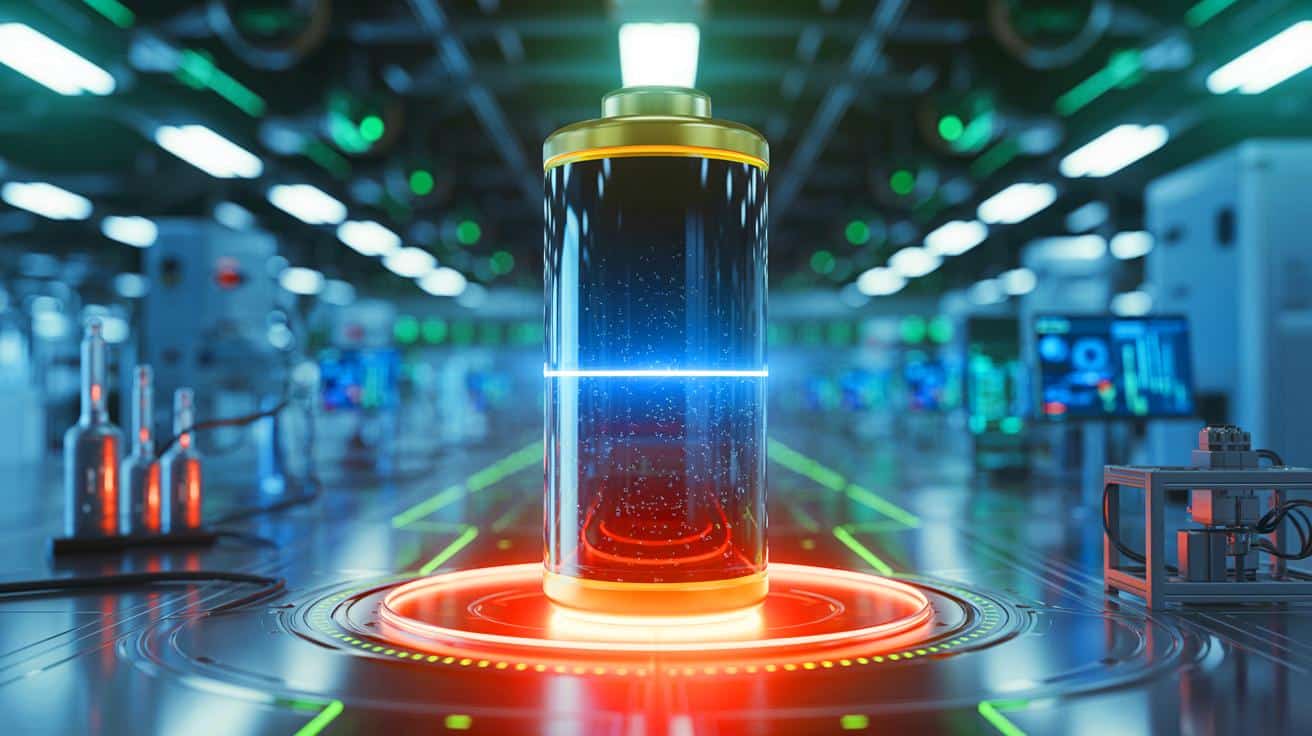
The JAEA has made headlines with the development of the world’s first rechargeable battery using depleted uranium as an active material. The concept driving this project is to convert a troublesome nuclear waste product into a valuable and sustainable energy source. This breakthrough has the potential to reimagine how we view and utilize nuclear waste.
Traditionally, storing depleted uranium has posed significant challenges. However, this innovative technology reimagines it as a resource. The uranium-based battery operates on an electrochemical principle akin to conventional batteries, replacing lithium or lead with uranium. The prototype, a compact box measuring 4 inches wide by 2 inches tall, delivers a voltage of 1.3 volts—comparable to a standard AA battery. After 10 charge and discharge cycles, the prototype demonstrated remarkable stability, highlighting its potential as a viable energy storage solution.
Assessing Safety Concerns
Japan alone accumulates 17,637 tons of depleted uranium, contributing to the global total of 1.76 million tons. If perfected, this technology could transform this waste into a valuable energy resource. One of the primary advantages of uranium-based batteries is their potential to store renewable energy. They could enable large-scale solar farms to capture solar energy during the day and release it at night, effectively utilizing nuclear waste.
However, the presence of uranium raises inevitable concerns about radioactivity. Researchers emphasize that depleted uranium is significantly less radioactive than the enriched uranium used in nuclear reactors. For now, these batteries will be limited to controlled environments, such as nuclear facilities. Extensive testing over several years will be necessary before they can become commonplace in everyday devices. The question remains: will this invention become a market staple or remain a prototype?
Potential Applications and Future Prospects
The application of uranium-based batteries extends far beyond industrial and controlled settings. Their potential to revolutionize the renewable energy sector is immense. By providing a reliable energy storage solution, these batteries could catalyze the widespread adoption of renewable energy sources, like solar and wind, which often suffer from inconsistent energy output.
Moreover, their use in remote and off-grid locations could provide a sustainable energy solution where traditional power infrastructure is lacking. The ability to store and deploy energy efficiently using nuclear waste could significantly reduce reliance on fossil fuels, contributing to global efforts to combat climate change. As research continues, the possibilities appear boundless, promising a future where nuclear waste becomes an asset rather than a burden.
Challenges and Considerations
Despite the promising potential of uranium-based batteries, several challenges must be addressed before widespread adoption can occur. The potential risks associated with radioactivity, though minimized with depleted uranium, require rigorous safety protocols and regulations. Additionally, public perception and acceptance of nuclear-based technologies remain hurdles to overcome.
Research and development costs, alongside regulatory hurdles, could also delay the deployment of this technology. However, with continued innovation and collaboration, these challenges can be navigated. The prospect of transforming a waste product into a valuable energy resource is too significant to ignore. As the world moves toward sustainable energy solutions, the role of nuclear waste in this transition could prove pivotal.
As the world grapples with energy and environmental challenges, Japan’s innovative use of depleted uranium offers a promising glimpse into the future. The potential to turn a problematic waste into a valuable resource is a compelling proposition. However, as with any groundbreaking technology, questions remain. Will depleted uranium batteries become a cornerstone of sustainable energy, or will challenges and skepticism keep them as a distant promise? The journey toward a nuclear-powered future is just beginning.




Wow! This is like something straight out of a sci-fi movie! 🚀
What about the cost? Will these batteries be affordable for everyday use?
Interesting concept! But I wonder how much energy it takes to convert the uranium into a battery?
This sounds like a game-changer for renewable energy storage!
I think this is a step forward, but hope they address the safety concerns thoroughly. 👍
Why didn’t they think of this sooner? Sounds like a win-win for everyone!
How safe is “less radioactive” uranium? 🤔
I’m all for innovation, but let’s not rush into something without understanding all the risks.
I’m curious about the environmental impact of producing these batteries. Any info on that?
Is it possible that these could be used to power vehicles in the future?
Fascinating read! Keep up the good work with these informative articles.
Sounds like alchemy to me! Turning waste into energy? Incredible! 🌟
I’m skeptical about the practicality of this. How long before it’s actually implemented?
Does using depleted uranium pose any risks to workers during the manufacturing process?
Are there any plans for how they will dispose of these batteries once they’ve reached the end of their lifecycle?
Finally, a way to use nuclear waste productively. Kudos to Japan for this innovation! 🇯🇵
Is this technology applicable only to large-scale projects, or can it be used in small devices too?
How will they address public skepticism about nuclear technology?
This could revolutionize energy storage, but what about the potential for accidents?
Can these batteries be recycled, and if so, how?
Bravo, Japan! This could be the start of a new energy era. 🌍
What regulatory challenges does this technology face before it can be adopted globally?
Great article! Thanks for keeping us informed about such groundbreaking innovations. 😊
Isn’t this just moving the problem around? We’re still dealing with radioactive materials, right?
When will these be available for commercial use? Can’t wait to see this in action! 🔋
How do they ensure the safety of these batteries, especially in consumer products?
Infinite energy sounds amazing, but the word “nuclear” always makes me nervous. 😬