


| IN A NUTSHELL |
|
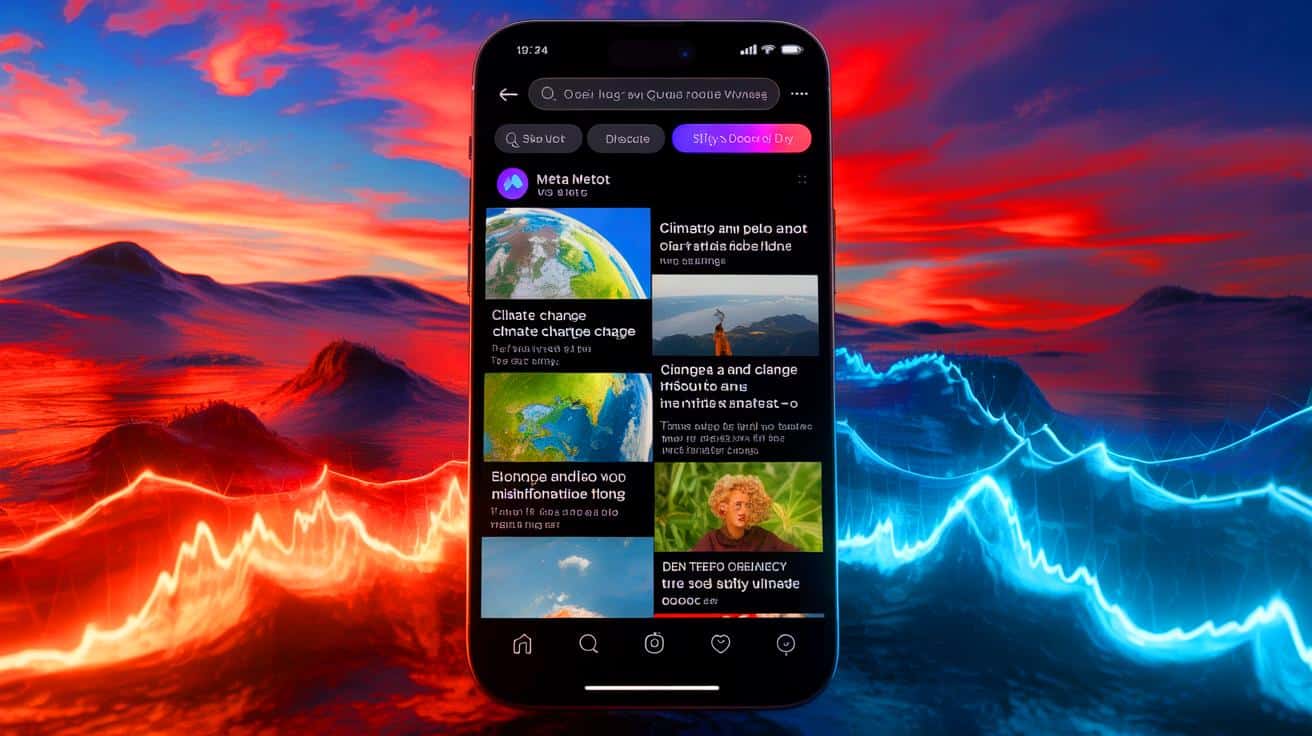
The landscape of social media is evolving, and with it, the way information is moderated and consumed. Meta, the parent company of Facebook and Instagram, has announced plans to end its fact-checking program in the U.S. by March 2025. This decision raises concerns about the future of content moderation on these platforms, particularly in the realm of climate change misinformation. As the world grapples with increasing climate-related disasters, the accuracy of information shared on social media becomes ever more critical. The potential spread of misleading or false information during these times could have dire consequences.
Meta’s Shift Away From Fact-Checking
Meta’s decision to terminate its agreements with U.S.-based fact-checkers marks a significant shift in how misinformation might be handled on its platforms. The company’s Climate Science Information Center was initially launched to combat climate misinformation. However, with the upcoming changes, the responsibility for identifying and flagging false content will increasingly fall to users. This move could open the door to a surge in misleading content, especially during climate-related disasters when accurate information is crucial.
Currently, Meta employs third-party fact-checkers to flag false claims and attach warning labels to misleading posts. This approach helps limit the spread of harmful content by reducing its visibility. In the absence of these fact-checkers, the burden shifts to users who may not possess the expertise or resources to discern truth from falsehood. The implications of this change are concerning, particularly as climate misinformation is known for its “stickiness,” making it difficult to correct once it takes hold.
The Rise and Impact of Viral False Claims
False claims can spread rapidly on social media, often outpacing efforts to correct them. Research indicates that once misinformation goes viral, it becomes challenging to contain. This is particularly true for climate misinformation, which can significantly undermine public understanding and acceptance of scientific facts. Meta’s reliance on user-generated labels, similar to X’s Community Notes, may not be enough to counteract the swift spread of false information.
One effective strategy to combat misinformation involves “inoculating” the public by informing them about scientific consensus regarding climate change. Educating users before misinformation takes root can reduce its impact. However, with Meta’s forthcoming changes, deploying such preemptive measures may become more difficult. The challenge lies in reaching audiences with accurate information before they encounter misleading claims.
Challenges of User-Led Fact-Checking
As Meta transitions away from professional fact-checking, users will need to take on a more active role in identifying and debunking false content. This shift raises questions about the effectiveness of crowd-sourced fact-checking, especially during climate-related crises. During such events, misinformation can exacerbate panic and hinder disaster response efforts.
For instance, inaccurate information about evacuation orders or weather conditions can lead to life-threatening decisions. The recent example of Los Angeles County’s emergency management office mistakenly sending an evacuation alert to millions underscores the potential dangers of misinformation. With the changes at Meta, the rapid spread of false claims may become even more prevalent, complicating efforts to maintain public safety and trust.
The Global Perspective and Regulatory Pressures
While Meta’s changes apply primarily to U.S. users, the global landscape of misinformation remains a pressing concern. Different regions, such as the European Union, have implemented stricter regulations to combat misinformation. These regulatory pressures highlight the varying approaches to content moderation worldwide. As misinformation knows no borders, the effectiveness of global strategies becomes crucial in the fight against false information.
The tech industry faces growing scrutiny and calls for accountability, with the public largely advocating for stronger content moderation. However, as big tech companies like Meta shift responsibility to users, the question arises: Are individuals equipped to handle the complexities of misinformation on their own? This situation underscores the need for a balanced approach that combines user engagement with professional oversight to effectively address misinformation’s challenges.
The decision by Meta to phase out its fact-checking program in the U.S. signals a pivotal moment in the battle against misinformation on social media. As climate-related crises become more frequent, the accuracy and reliability of information shared online are paramount. With the responsibility increasingly falling on users, the effectiveness of crowd-sourced fact-checking remains uncertain. How will social media platforms adapt to ensure the dissemination of accurate information in an era of growing misinformation and climate challenges?


Does anyone else feel like this is a recipe for disaster? 🌍
Is Meta really expecting us users to fact-check everything? 🤔 Seems like a disaster waiting to happen.
So Meta’s basically saying, “Good luck, everyone”? 😅
Thanks for bringing this issue to light! It’s scary to think about the potential impact on climate misinformation.
Thank you for bringing attention to this issue. It’s concerning. 🙏
Who’s going to trust a bunch of random internet users to fact-check information? This seems impractical.
How do they expect regular users to discern fact from fiction?
Meta’s decision might just be the worst idea of 2023. Did they even consider the consequences?
This seems like a huge step backward in combating misinformation. 🤔
Is there any chance they’ll reverse this decision if it goes poorly?
Great article! But do you think there’s a chance Meta will reverse this decision if things get out of hand?
Wow, just when you think things can’t get worse on social media… 🙄
Wait, so we’re just supposed to trust strangers online to tell us what’s true or false? 🤦♂️
Meta’s decision feels like a major cop-out. Who’s with me?