




| IN A NUTSHELL |
|
In a significant development for national security, the U.S. Space Force has announced the allocation of the initial seven launches under its National Security Space Launch (NSSL) program. This initiative is designed to bolster the United States’ capabilities in space. The missions, five of which are assigned to SpaceX and two to United Launch Alliance (ULA), mark a pivotal step in securing high-value payloads for the country’s defense infrastructure. These launches, part of the NSSL Phase 3 Lane 2, are designated for critical missions that require reaching challenging orbits. The decision underscores the strategic importance of space in national defense and the reliance on private companies to meet these needs.
The Role of the National Security Space Launch Program
The National Security Space Launch (NSSL) program is a cornerstone of the U.S. military’s efforts to ensure reliable access to space for national security purposes. This program is crucial for deploying satellites that support a wide range of defense operations. The Space Force’s allocation of the first seven launches under this program highlights the ongoing commitment to maintaining a competitive edge in space. The NSSL Phase 3 Lane 2 launches are particularly significant as they involve high-value payloads, necessitating precise and reliable delivery into orbit. These missions are essential for maintaining the robustness of the U.S. military’s satellite infrastructure, which supports communication, navigation, and reconnaissance operations.
Under the firm-fixed price, indefinite-delivery contracts, SpaceX has been awarded $714 million, while ULA will receive $428 million. This financial commitment reflects the importance placed on these missions and the trust in these companies to deliver critical capabilities. The reliance on SpaceX and ULA underscores the competitive nature of the space launch industry and the strategic partnerships between the U.S. government and private companies.
SpaceX's Mission Assignments
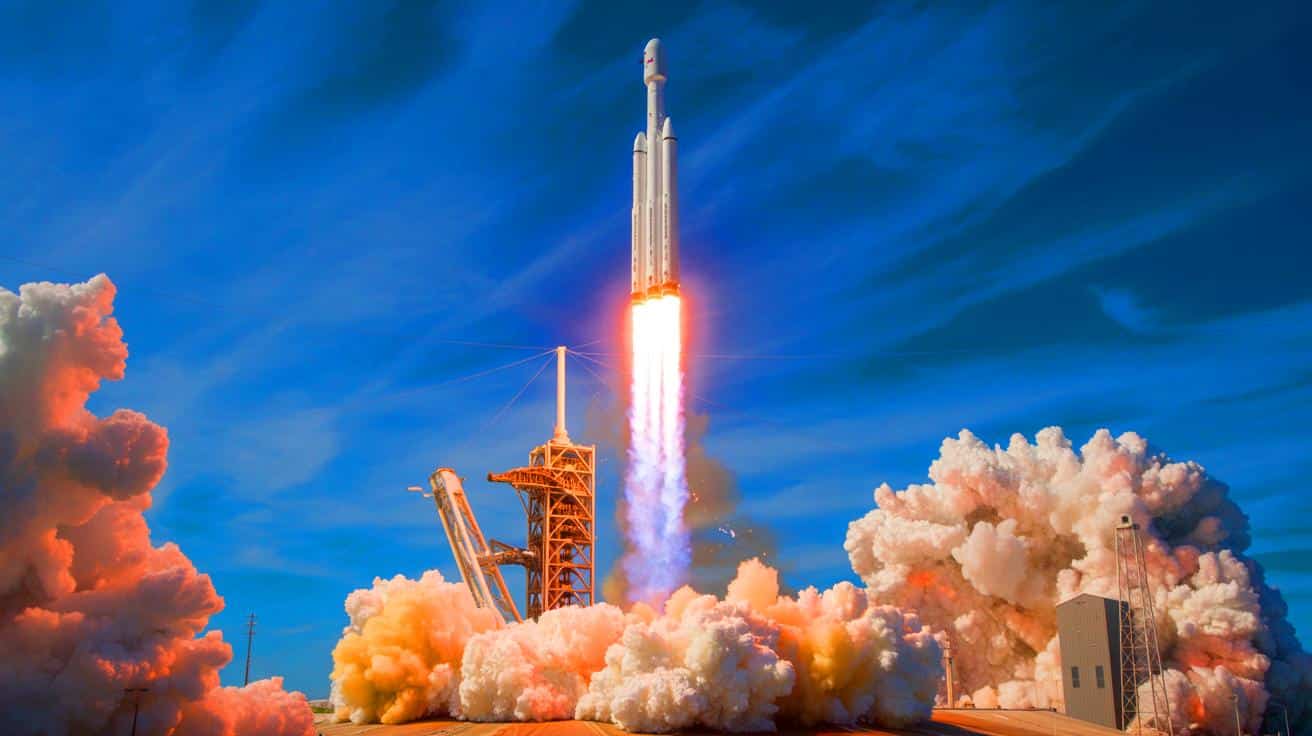
SpaceX, a leading player in the space industry, has been tasked with five of the seven initial launches. The missions include USSF-206/WGS-12, USSF-155, NROL-86, USSF-149, and USSF-63. Of particular note is the USSF-206 mission, which will deploy the twelfth Wideband Global SATCOM (WGS) satellite. This satellite will enhance encrypted military communications, a critical component of modern defense strategies.
While specific details about the payloads for USSF-155, USSF-149, and USSF-63 remain classified, the missions are indicative of the sensitive nature of the operations. The classified nature of these missions highlights the strategic importance of the payloads and the need for utmost security and reliability in their delivery. SpaceX's role in these missions reinforces its position as a key partner in the U.S. government's efforts to maintain and expand its capabilities in space.
United Launch Alliance's Contributions
United Launch Alliance (ULA), another major player in the space industry, has been assigned two critical missions: NROL-88 and USSF-88/GPS IIIF-4. The USSF-88 mission will carry the fourth of the Global Positioning System III Follow-on (GPS IIIF) satellites. These satellites are designed to upgrade existing GPS capabilities, providing stronger encryption and enhanced features for military and civilian use.
The NROL missions, including NROL-88, are in partnership with the National Reconnaissance Office. These missions involve classified payloads, underscoring the high stakes and importance of the technology being deployed. ULA's involvement in these missions demonstrates its continued relevance and expertise in launching complex and sensitive payloads for national security purposes.
Future of the NSSL Phase 3 Launches
The Space Force's strategic planning extends well into the future, with Phase 3 Lane 2 launches scheduled as early as fiscal year 2027. The service has identified three vendors—SpaceX, ULA, and Blue Origin—to compete for these launches, with a total of 54 launches anticipated by 2030. The current task order excludes Blue Origin due to their New Glenn heavy-lift rocket not yet meeting certification requirements. This temporary exclusion serves as a reminder of the rigorous standards required for national security launches.
The competition among these companies for future launches highlights the dynamic nature of the space industry and the government's approach to leveraging private sector innovation. As the Space Force looks to the future, the ability to maintain a robust and flexible launch schedule will be crucial in responding to emerging threats and technological advancements. The strategic decisions made now will shape the trajectory of U.S. capabilities in space for years to come.
As the U.S. Space Force continues to advance its National Security Space Launch program, the collaboration with private companies like SpaceX and ULA becomes ever more critical. These partnerships not only enhance national security but also drive innovation and competition in the space industry. As new technologies emerge and geopolitical landscapes shift, how will the role of private companies evolve in supporting national defense initiatives in space?




Wow, SpaceX really does have a lot on its plate! 🚀
Wow, space wars are no longer just a sci-fi concept! 😲
Who else is excited to see how these missions will unfold? 🚀
How does the U.S. Space Force decide which company gets more contracts?
Are these launches going to be viewable by the public or are they all top secret?
Doesn’t this sound like a plot from a blockbuster movie? 🤔
Are these launches safe for the environment? 🌍
Thank you for the insightful article! It’s amazing to see the collaboration between SpaceX and ULA.
Why is Blue Origin excluded from the current task orders? Seems unfair.
So, are we going to have space battles now? 😅
SpaceX and ULA are launching for war, but let’s hope we never need to use these capabilities. Peace! ✌️
Can someone explain how these satellites actually improve national security?
I wonder how much of this tech will eventually trickle down to civilian use.
Are these missions a response to any specific international tensions?