



| IN A NUTSHELL |
|
OpenAI’s recent partnership with defense contractor Anduril has sparked a significant conversation about the role of artificial intelligence in military applications. The collaboration aims to enhance the capabilities of Anduril’s autonomous drones, promising to bolster national security and safeguard democratic values. However, this alliance raises questions about the ethical implications of AI in warfare and whether such developments align with OpenAI’s founding principles. As technology continues to advance, the intersection of AI and defense highlights the need for careful consideration of its potential impacts on global peace and security.
OpenAI’s New Direction
OpenAI’s collaboration with Anduril marks a notable shift in its operational philosophy. Historically, OpenAI had strict policies against using its AI technology for military or warfare purposes. This partnership, however, signifies a departure from its previous stance. OpenAI CEO Sam Altman has expressed that the aim is to ensure the technology upholds democratic values and protects U.S. military personnel. Altman believes that this collaboration is a step towards using AI for the greater good by enhancing national security measures.
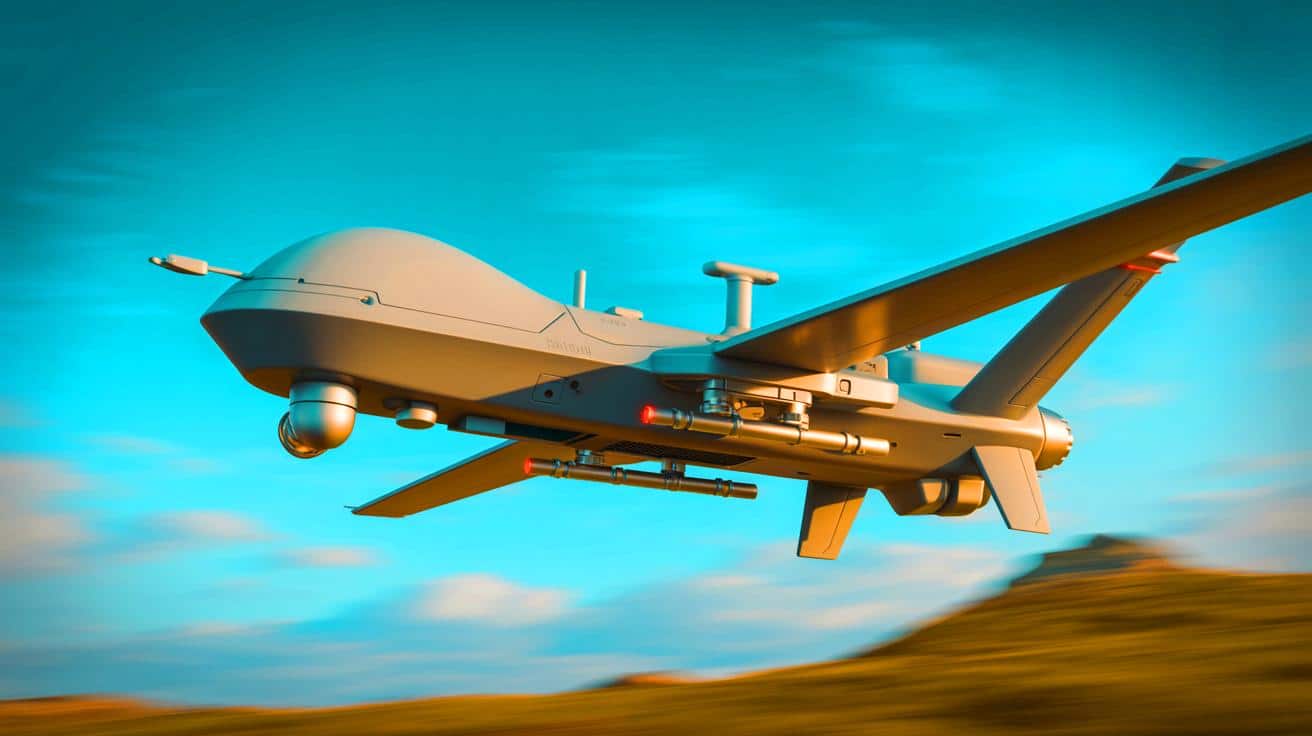
The integration of OpenAI’s models into Anduril’s systems is expected to improve the performance of drones used in defense. These advancements could enable military operators to make quicker and more informed decisions during high-pressure scenarios. Anduril CEO Brian Schimpf emphasized the commitment to developing responsible solutions that prioritize accuracy and speed. While the potential benefits are clear, the broader implications of AI in military contexts remain a topic of intense debate.
Ethical Concerns and Policy Changes
The decision to partner with a defense contractor has raised eyebrows, particularly among those familiar with OpenAI's earlier policies. The company's prior prohibition on military applications was lifted earlier this year, signaling a significant policy shift. According to insiders, this change has been met with mixed reactions within the organization. Some employees have expressed discomfort with the new direction, although there has been no widespread protest.
OpenAI's spokesperson maintains that the partnership does not involve the development of systems intended to harm others. However, integrating AI into military applications inherently involves ethical considerations. Critics argue that this collaboration could inadvertently lead to the creation of more effective weapons systems. The potential for AI to be used in ways that contradict OpenAI's original mission is a concern that continues to fuel discussions on the ethical responsibilities of AI developers.
The Role of AI in Modern Warfare
The partnership between OpenAI and Anduril highlights the growing role of artificial intelligence in modern warfare. The use of autonomous drones in military operations is not new, but the integration of advanced AI models represents a significant evolution in defense technology. These developments promise to enhance operational efficiency and decision-making processes within the military.
As AI becomes more prevalent in defense strategies, the potential for unintended consequences increases. The ability of autonomous systems to make decisions independently raises questions about accountability and control. Ensuring that AI is used ethically and responsibly in military contexts is crucial to preventing misuse. The collaboration between OpenAI and Anduril serves as a case study for examining the balance between technological advancement and ethical considerations in warfare.
The Future of AI and Defense
Looking ahead, the partnership between OpenAI and Anduril is likely to influence future collaborations between AI developers and defense contractors. The potential for AI to revolutionize military operations is immense, offering opportunities for enhanced security and efficiency. However, it also necessitates careful consideration of the ethical implications involved.
As AI technology continues to evolve, establishing clear guidelines and policies will be essential to prevent misuse. The dialogue surrounding AI in defense underscores the need for transparency and accountability in the development and deployment of these technologies. As stakeholders navigate this complex landscape, one question remains: how can we ensure that advancements in AI serve humanity's best interests without compromising ethical standards?
As OpenAI ventures into the realm of defense technology, the implications of its partnership with Anduril are profound. The integration of AI into military operations offers both potential benefits and ethical challenges. As the conversation around AI and defense continues, the need for responsible innovation becomes increasingly important. How will the evolving relationship between artificial intelligence and military applications shape the future of global security?



Wow, OpenAI really went from “don’t be evil” to “let’s build drones” pretty quickly! 😅
Wow, OpenAI teaming up with the military? That’s quite a pivot! 🤔
Isn’t this against OpenAI’s original mission? What changed?
Why are employees kept in the dark about such a major shift in company policy?
I’m concerned about AI in warfare. How do they ensure it’s used ethically?
So, are we getting closer to Skynet or what? Just kidding… or am I? 😅
This is a dangerous move. AI in warfare could have devastating consequences. 😟
Can OpenAI guarantee that this technology won’t be used for harm?
Great, now Skynet is inevitable. Thanks, OpenAI! 🙄
Interesting development. I hope this leads to more secure military operations.
AI and drones together sound like a recipe for disaster. Anyone else worried?
Does anyone else feel uneasy about the ethical implications of this partnership?
I wonder how OpenAI employees feel about this. Was there any pushback?
I’m curious, how will OpenAI ensure these AI-driven drones uphold democratic values?
Isn’t there a risk of these drones being hacked? Security should be top priority!
I don’t know how I feel about AI in warfare. Is this really progress? 🤔
So, is this the future of warfare? AI and drones doing all the work?
I’m all for technological advancement, but this seems a bit too much.