



| IN A NUTSHELL |
|
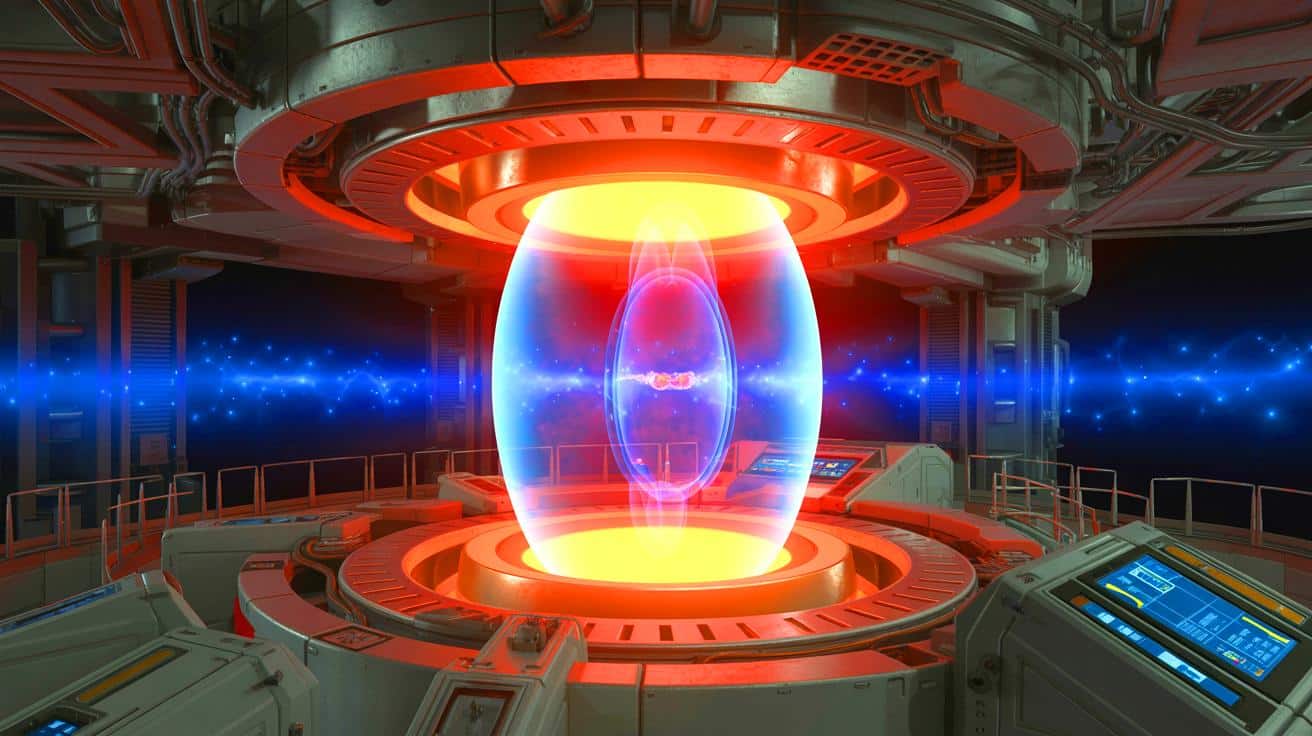
France has reached a significant milestone in the pursuit of fusion energy, a technology that promises to revolutionize the way we generate power. The Commissariat à l’énergie atomique et aux énergies alternatives (CEA) recently announced that its WEST Tokamak reactor maintained a plasma reaction for over 22 minutes, setting a new record. This achievement is a testament to the progress made in fusion research, an area that has captivated scientists and engineers for more than 80 years. Fusion energy, with its potential to provide unlimited and clean power, is often referred to as the Holy Grail of engineering. However, the path to practical fusion power is fraught with challenges that require innovative solutions and continued investment.
The Quest for Fusion Energy
The allure of fusion energy lies in its potential to provide a nearly limitless source of clean energy. Fusion reactions, which power the sun, involve fusing hydrogen isotopes to form helium, releasing enormous amounts of energy in the process. Achieving controlled nuclear fusion on Earth could revolutionize energy production, offering a sustainable solution to global energy demands. A single gram of hydrogen isotopes could yield energy equivalent to 11 tons of coal, underscoring the immense promise of fusion.
Despite the potential, creating a practical fusion reactor has proven to be a daunting task. While fusion is relatively straightforward in the sun or a hydrogen bomb, replicating these conditions in a controlled environment is a complex engineering challenge. The goal is to produce more energy than the reactor consumes, a feat that requires reaching temperatures of 180 to 270 million °F and maintaining a stable plasma.
Breaking Records at the WEST Tokamak
The recent achievement at the WEST Tokamak reactor marks a significant step forward in fusion research. The reactor maintained a stable plasma reaction for 1,337 seconds, surpassing previous records. This accomplishment is not just about prolonging the reaction but also ensuring the reactor components remain intact and functional. Maintaining a high-energy plasma without eroding or polluting the reactor’s components is crucial for the development of viable fusion reactors.
WEST’s success in maintaining such conditions provides valuable data that will inform the design and operation of future experimental reactors. While WEST itself is not intended to become a commercial reactor, the lessons learned from its operation are vital for advancing more ambitious projects, such as the International Thermonuclear Experimental Reactor (ITER) in southern France.
Future Prospects and Challenges
The path to commercial fusion energy is still long and filled with technical hurdles. The next steps for the CEA involve extending the duration of plasma reactions and increasing the heat generated. Anne-Isabelle Etienvre, Director of Fundamental Research at the CEA, emphasized the significance of these developments, noting that experiments will continue with increased power. The information gained from WEST’s experiments will play a crucial role in the success of ITER and other future fusion projects.
ITER represents one of the most ambitious efforts in fusion research. This collaborative international project aims to demonstrate the feasibility of fusion as a large-scale and carbon-free source of energy. Success at ITER could pave the way for future commercial reactors, but achieving this goal will require overcoming significant scientific and engineering challenges.
The Investment in Fusion Research
The pursuit of fusion energy is a costly endeavor, with billions of dollars invested by governments and private industries worldwide. The potential benefits of fusion energy justify these investments, promising an energy source that could transform global energy infrastructure. However, the high costs and long timelines associated with fusion research pose challenges for securing sustained funding and public support.
As fusion research progresses, it will be essential to maintain transparency and communicate the importance and potential of this technology to the public. Engaging stakeholders and fostering international collaboration will be crucial for overcoming the scientific and logistical challenges that lie ahead.
As the quest for fusion energy continues, the recent achievements at the WEST Tokamak reactor provide hope and momentum for the future. While the journey to commercial fusion is still fraught with challenges, the potential benefits make it a pursuit worth undertaking. How will ongoing advancements in fusion research shape the future of global energy production, and can they meet the growing demands for sustainable and clean energy?


Wow, 22 minutes of plasma reaction! Does this mean fusion power is almost here? 🤔
Wow, 22 minutes! That’s longer than my attention span! 😉
Could this be the solution to our global energy crisis? 🌍
Thank you for the informative article! Fusion energy seems like a game-changer.
Why has it taken so long to achieve this milestone in fusion energy?
Is this really practical, or just another science experiment with no real-world application?
I’m skeptical. Can fusion energy really be practical on a large scale?
How soon can we expect to see fusion power in our homes? Next decade maybe?
Thank you, France, for pushing the boundaries of science! 🇫🇷
Fusion energy could solve so many problems. I hope we see commercial reactors soon!
Does this mean we might have fusion-powered toasters soon? 😂
This is great and all, but what about the environmental impact of building these reactors?
How much more investment is needed to make fusion energy commercially viable?
22 minutes doesn’t seem like a lot. How long until it’s 24/7? 🤨
What are the environmental impacts of building and operating fusion reactors?
This is groundbreaking! Looking forward to seeing more updates on this.
22 minutes might not seem long, but in fusion terms, it’s a lifetime!
Is it safe to operate these reactors near populated areas?
Absolutely stunning achievement! Hats off to the researchers involved!
Will this technology be shared globally, or will it remain proprietary?
Can someone explain what makes fusion energy so challenging to harness?
Just imagine the possibilities if we can harness the sun’s power here on Earth! ☀️
Is this the beginning of the end for fossil fuels? 🤔
How does the WEST Tokamak compare to other fusion reactors worldwide?
Congratulations to the team! This is a historic moment for science.
What are the next steps now that they’ve achieved this milestone?
Hope this doesn’t lead to more radioactive waste. Can someone clarify?
Will fusion energy be affordable for everyday consumers?
This sounds amazing, but how far are we from seeing this in everyday use?
Can this technology help reduce our carbon footprint?
22 minutes today, maybe 22 hours tomorrow? Keep it up! 💪
Why isn’t there more media coverage of this incredible achievement?
So, does this mean we’ll have flying cars soon? 🚗💨
Is there any risk of these reactors going out of control?
Thank you for keeping us informed about these scientific breakthroughs!
Are there any known downsides to fusion energy that we should be aware of?
How do they control the extreme temperatures needed for fusion?
Just curious, how expensive is it to run a fusion reactor for 22 minutes?
What role do international collaborations like ITER play in fusion research?
I’ve heard fusion is expensive. Will it ever be cost-effective?
It’s incredible what humans can achieve when we work together!
22 minutes? I thought fusion was supposed to be instant! 😅
Is this the same technology that powers the sun? Fascinating! 🌞
How does the energy output compare to traditional nuclear reactors?