



| IN A NUTSHELL |
|
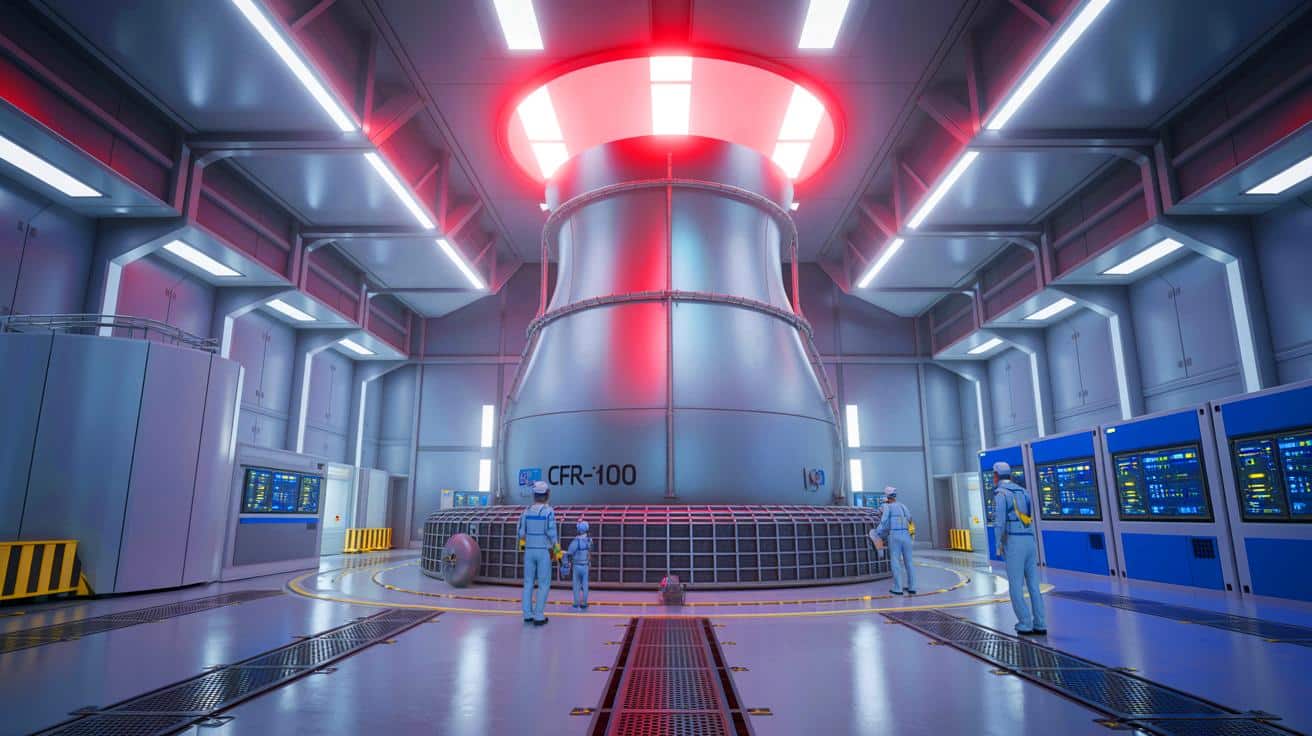
China’s announcement of the CFR-1000 fast neutron reactor signifies a major leap in nuclear energy technology. With the promise to generate up to 1.2 gigawatts of power, it has the capacity to supply electricity to nearly one million homes. This development comes at a time when the world is increasingly focused on sustainable energy solutions to meet rising demand and environmental challenges. As China positions itself as a leader in nuclear technology, the global community watches closely, pondering the potential impact on energy strategies worldwide. The CFR-1000, expected to be operational by 2034, stands out as a commercial-scale unit, distinct from smaller experimental reactors.
The Potential of Fast Neutron Reactors
The CFR-1000 belongs to a new class of fourth-generation nuclear reactors that employ fast neutrons, distinguishing it from traditional thermal reactors that utilize slow neutrons. This innovative design eliminates the need for neutron moderators like water, allowing high-speed neutrons to sustain nuclear fission. Such a shift holds significant promise for enhancing fuel efficiency and energy output.
Fast neutron reactors offer a pathway to closed-loop fuel cycles, capable of breeding new fuel types, such as plutonium-239, from non-fissile materials like uranium-238. This ability can substantially reduce nuclear waste and the dependency on fresh uranium mining. Such advancements align with global efforts to reduce environmental impacts and promote sustainable energy practices. The potential to reuse nuclear waste could revolutionize the energy sector, making it more sustainable and efficient.
Innovative Cooling Techniques
One of the standout features of the CFR-1000 is its use of liquid sodium as a coolant, replacing the more conventional water. Liquid sodium facilitates more efficient heat transfer, enabling the reactor to operate at elevated temperatures. This results in improved efficiency and energy output potential.
While liquid sodium mitigates risks associated with traditional water-cooled reactors, such as steam explosions, it introduces its own set of challenges, notably the need for meticulous handling to prevent chemical reactions. As the CFR-1000 progresses toward operational status, these technical considerations will be subject to rigorous scrutiny by both Chinese authorities and international observers. The success of this cooling innovation could inspire further advancements in nuclear reactor technology.
Challenges and Regulatory Hurdles
The path to making the CFR-1000 operational is fraught with regulatory challenges. Nuclear safety remains a critical concern, especially for fast neutron reactors, which exhibit different operational characteristics compared to conventional reactors. The approval process is extensive and involves multiple stakeholders and comprehensive safety evaluations.
The international community is paying close attention, not only due to safety concerns but also because of the geopolitical ramifications of such advancements. China's leadership in nuclear technology could alter global energy dynamics and influence international policies. The CFR-1000's journey toward approval and eventual operation is likely to be a topic of international discourse in the coming years. The stakes are high, and the outcomes could redefine nuclear energy's role globally.
Global Implications and Future Prospects
As China forges ahead with the CFR-1000, other nations might need to reassess their nuclear strategies. The capability of fast neutron reactors to deliver more efficient and sustainable energy solutions could shape global energy policies. Countries aiming for energy independence and reduced carbon emissions may look to similar technologies to enhance their energy portfolios.
The CFR-1000 could set a benchmark for future nuclear developments, driving further research and investment in this field. As the world aims to balance energy needs with environmental responsibilities, the role of nuclear power, particularly advanced reactors like the CFR-1000, could become increasingly significant. However, it remains to be seen how other countries will react to China's technological advancements and what strategies they will adopt in response.
The development of the CFR-1000 marks a pivotal moment in nuclear energy innovation. As the reactor moves toward operational status, its potential impact on global energy strategies and environmental sustainability is profound. How will the international community adapt to this shift in nuclear technology, and what role will fast neutron reactors play in the future of energy production? The answers to these questions will shape the trajectory of global energy policy and technological development.


Wow, this could really change the global energy landscape! 🌍
Wow, this reactor sounds like a game-changer! How soon can other countries adopt similar technology? 🤔
What are the potential risks of using liquid sodium as a coolant?
China is really stepping up their game! Will this mean lower energy prices globally?
So, when is this reactor supposed to be fully operational?
Are there any environmental risks associated with using liquid sodium as a coolant?
Another step forward for nuclear energy! Thank you for sharing this exciting news. 😃
Thanks for the informative article! It’s impressive what technology can achieve. 😊
Does this mean China will control the world’s energy supply now?
Is this really a “clean” power source if it still involves nuclear waste?
How does the CFR-1000 compare to other fourth-gen reactors?
What are the potential geopolitical impacts of China leading in nuclear tech?
Interesting article, but I’m still skeptical about the safety of nuclear power.
Could this reactor really provide endless power, or is that just hype?
The liquid sodium coolant sounds cool, but is it safe? 🧊
Is this the end of the fossil fuel era?
How will this impact the price of uranium?
This sounds like a game-changer for renewable energy strategies!
Finally, some good news about nuclear energy! 🌞
Are there any other countries working on similar technology?
How much does a reactor like this cost to build?
Exciting stuff! But let’s not forget the potential environmental risks.
Is this reactor more efficient than traditional nuclear reactors?
Hope other countries catch up soon. We need more clean energy options! 🌱
Can this technology be adapted for smaller-scale applications?
What are the geopolitical implications of this development?
Sounds impressive, but what about nuclear waste management?
How does this affect global nuclear policies?
Does this mean we can finally say goodbye to coal power? 🏭
What are the regulatory hurdles mentioned in the article?
Is there a backup plan if something goes wrong with the reactor?
Could this lead to a new era of nuclear energy? 🚀
I’d like to see more about the environmental impact this might have.
Are there any downsides to using fast neutrons in reactors?
This is exciting, but can we trust China with this tech?
How long will it take to see the full benefits of this reactor?
Are fast neutron reactors the future of energy? 🔮
Can these reactors be used for military purposes as well?
Great article! Thanks for keeping us informed. 😊
Why isn’t the rest of the world doing this already?
What are the chances of this reactor facing delays?
How does this tie into global climate change goals?