


| IN A NUTSHELL |
|
China’s ambitious venture into renewable energy has reached a significant milestone with the approval of the world’s largest hydroelectric dam complex. This project, located on the Yarlung Zangbo River in Tibet, promises to surpass the capacity of the current record-holder, the Three Gorges Dam. With an estimated cost of $137 billion, the dam is part of China’s 14th “Five-Year Plan,” which aims to accelerate renewable energy production and combat pollution. The proposed site’s unique geography could enable the generation of up to 300 billion kilowatt-hours annually, potentially serving 300 million people. However, this massive project raises concerns both locally and internationally.
Understanding the Scale of the Project
The proposed Yarlung Tsangpo Hydroelectric Project is set to outpace existing hydroelectric capacities significantly. The current world leader, the Three Gorges Dam, generates between 95 and 112 terawatt-hours (TWh) annually. In stark contrast, the new Tibetan dam aims for a staggering 300 TWh, nearly tripling the output of its predecessor. To put this into perspective, the largest hydroelectric facility in the United States, the Grand Coulee Dam, produces about 20 TWh per year. Meanwhile, the iconic Hoover Dam generates a mere 4.2 TWh. This new project exemplifies China’s commitment to scaling up its renewable energy resources to unprecedented levels.
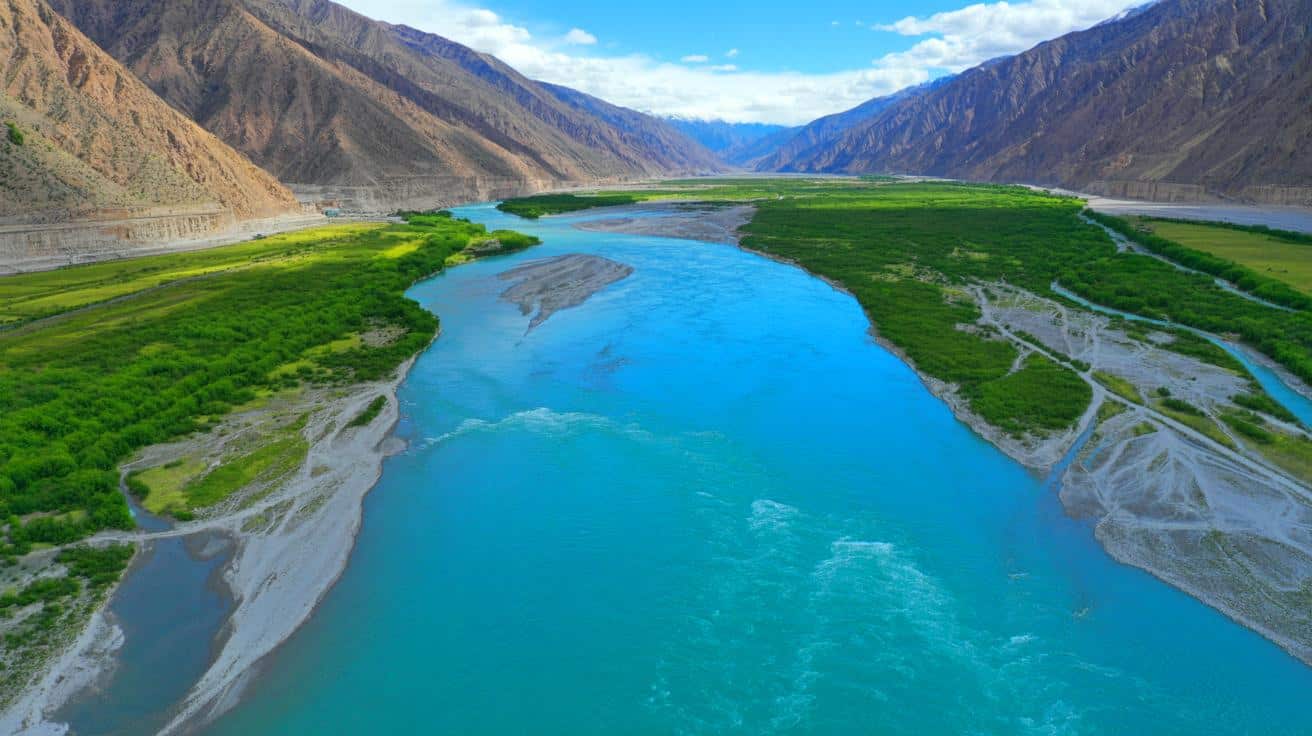
The Yarlung Zangbo River, pivotal to the project, is one of the highest rivers globally, originating from the Angsi Glacier in Tibet. This river’s steep descent makes it an ideal candidate for generating immense hydropower. The region’s dramatic drop, especially near the Namcha Barwa mountain, presents a promising opportunity for constructing a hydroelectric power station. Despite the technical challenges, the potential energy output justifies the ambitious scale of this endeavor.
Geopolitical Implications and Concerns
While the benefits of this project are immense, it does not come without controversy. The river, which transforms into the Brahmaputra upon entering India, is a critical water source for millions of people downstream. Indian authorities have expressed concerns over China’s control of the river’s flow and the potential impacts on water availability and management. The geopolitical tensions are further amplified by the river’s location in a seismically active region, raising questions about the safety and environmental impact of such a massive infrastructure project.
Chinese officials have assured that extensive geological studies have been conducted to ensure the project’s safety. However, the concerns from neighboring India underline the broader geopolitical dynamics and the complexities of transboundary water management in Asia. The project’s approval symbolizes China’s growing influence and its ability to undertake projects with far-reaching impacts beyond its borders.
Technological and Environmental Challenges
Building a dam of this magnitude presents several technological and environmental challenges. The proposed project requires the drilling of multiple 12.5-mile tunnels to divert the river, which flows at a rate sufficient to fill three Olympic-sized swimming pools every second. This technical feat necessitates sophisticated engineering solutions and substantial financial investment. The project’s success hinges on overcoming these challenges while ensuring environmental sustainability.
Moreover, the region’s seismic activity adds another layer of complexity. The Yarlung Zangbo River runs through the Yarlung Tsangpo Grand Canyon, one of the deepest canyons in the world. This geological setting poses risks that require meticulous planning and robust construction methods. The potential for earthquakes necessitates stringent safety measures to ensure the long-term viability and safety of the hydroelectric facility.
Future of Hydropower and Renewable Energy
The approval of the Yarlung Tsangpo Hydroelectric Project marks a significant step in China’s renewable energy journey. It underscores the nation’s commitment to reducing its carbon footprint and transitioning to sustainable energy sources. If successful, this project could set a new benchmark for hydropower and influence global renewable energy strategies.
However, the project also highlights the delicate balance between progress and environmental stewardship. As countries strive to meet ambitious climate goals, the need for sustainable development practices becomes increasingly important. The Yarlung Tsangpo project serves as a reminder of the complexities involved in harnessing natural resources and the need for careful consideration of environmental, social, and geopolitical factors.
As China embarks on this monumental project, the world watches with anticipation. The outcomes will not only shape the future of renewable energy but also influence international relations and environmental policies. How will China navigate the challenges ahead, and what lessons will be learned from this ambitious endeavor?

Wow, this project sounds huge! But what about the impact on local wildlife? 🐼
Is this dam even necessary? Seems like a huge risk for everyone involved. 🤔
Wow, that’s a lot of power! But what about the environmental impact? 🌍
Isn’t it risky to build such a massive structure in a seismically active area?
Thank you for the detailed article! I learned so much about hydroelectric power. 👍
How does this affect the local wildlife in the region? Hope proper studies were done!
Thank you for the detailed article. It’s fascinating to see how ambitious China’s renewable energy goals are.
Why is India so worried? Can’t they just build their own dam? 🤷♂️
Sounds like an engineering marvel, but at what cost?
Does anyone else think this could lead to a water war between China and India? 🤔
Interesting. Can we expect more such projects from China in the future?
Hope the dam doesn’t lead to geopolitical tensions. We don’t need another conflict. 😟
The scale of this project is mind-blowing! But are there any backup plans if things go wrong?
China’s energy ambitions are impressive, but they should be more considerate of their neighbors.
I wonder how this dam compares to others worldwide. Is it really the biggest? 🏗️
Great read! It’s always fascinating to see how technology advances. 🚀
Isn’t Tibet a seismically active area? That sounds dangerous for such a large project.
This is a game-changer for renewable energy! Go China! 🇨🇳
What measures are being taken to mitigate the potential seismic risks?
Why would anyone think this is a good idea? Water wars are a real threat! 😡
How long will it take to complete the dam? This sounds like a massive undertaking.
Can this new dam really support 300 million people? That’s mind-boggling! 🤯
Environmental concerns aside, the engineering feats are truly remarkable! 🏞️
Hope they have a solid plan for any potential disasters. Safety first!
Why didn’t the article mention anything about the impact on local communities?
Is there any international oversight on such projects? Seems like there should be.
Thank you for keeping us informed on such important global issues. 🌐
Are there any alternative renewable energy sources that China could have considered?
China’s renewable energy initiatives are commendable, but they need to be more transparent.
How does this project align with global goals for sustainable development? 🤔
Is it just me, or does this sound like a disaster waiting to happen? 😬
What are the potential benefits for the local population in Tibet?
With so many pros and cons, how do we decide if such projects are worth it?
Not sure if I should be impressed or scared. Time will tell! 😅
How will this affect the agricultural sectors in India that depend on the river?
Good luck to the engineers and everyone involved! Hope for the best! 🤞
Wonder how this will impact the Brahmaputra River’s ecosystem in India.
Isn’t there a better way to generate this amount of energy without such a huge dam?
Are any international treaties being violated with this project? Seems like a gray area.
Excited to see the outcomes, but cautiously optimistic given the potential risks.
Thanks for the article! It’s crucial to discuss these global projects openly.