




| IN A NUTSHELL |
|
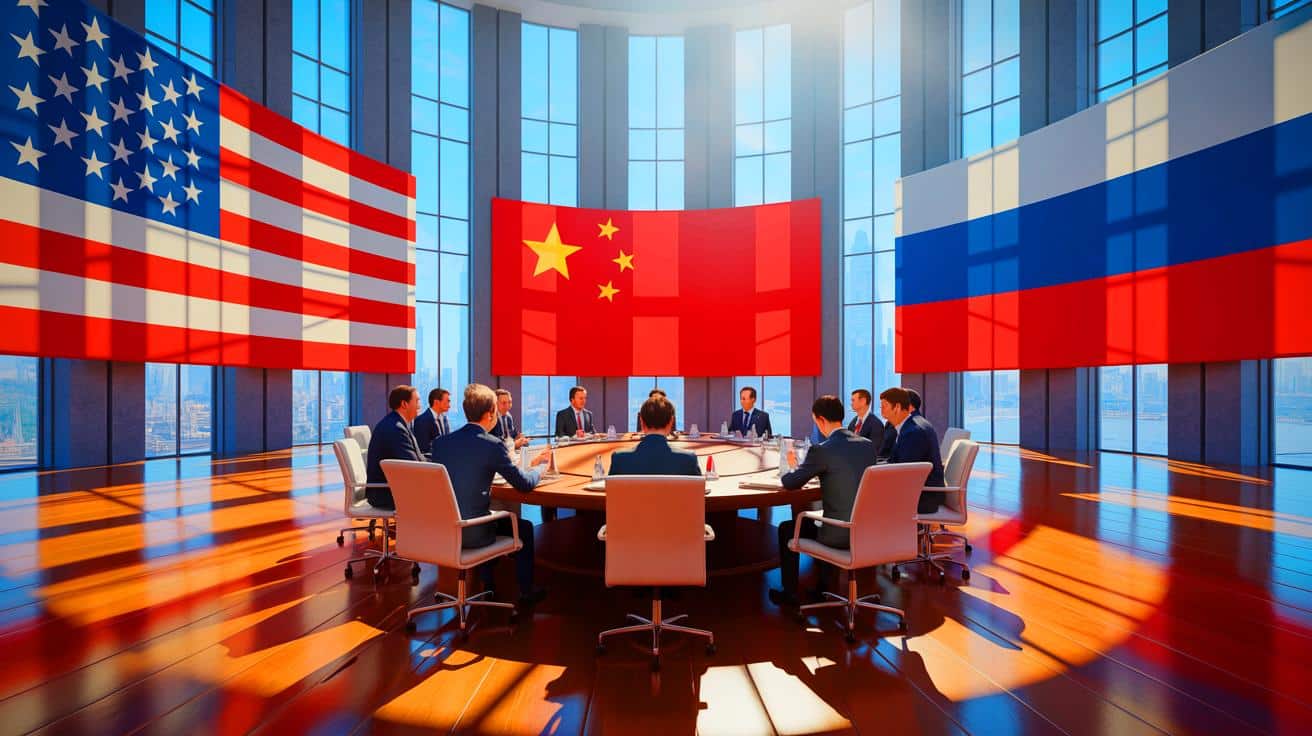
In a rapidly evolving geopolitical landscape, recent developments hint at possible monumental shifts in international relations. A potential trade deal between the United States and China, along with discussions on nuclear disarmament involving Russia, could reshape global dynamics. These discussions come at a time when the world is grappling with the economic impacts of energy policies and the ever-present threat of nuclear conflict. With leaders from these powerful nations engaging in dialogue, the world watches closely to see if these talks will lead to meaningful resolutions that could impact global stability and security.
Progress in U.S.-China Trade Negotiations
The prospect of a trade deal between the United States and China has become a focal point of international attention. Over the years, the two economic giants have navigated a complex relationship marked by competition and cooperation. Recent discussions suggest a thaw in tensions, with both parties expressing a willingness to negotiate terms that could benefit their respective economies. This potential agreement comes as the United States seeks to balance its trade deficit with China and address concerns about intellectual property rights and market access.
China, on the other hand, is looking to solidify its economic ties with the United States amid a slowing global economy. A successful trade deal could lead to increased exports for China and more investment opportunities in the U.S. market. Such an agreement could also pave the way for more stable economic relations, reducing the risk of future trade wars. As negotiations continue, stakeholders on both sides are optimistic about the potential outcomes, though challenges remain in aligning their interests.
Russian Nuclear Arms Discussions
In a surprising turn, Russian President Vladimir Putin has expressed openness to discussions on nuclear arms de-escalation. This development marks a significant shift in Russia’s stance, historically characterized by a robust nuclear posture. The inclusion of China in these discussions adds a new dimension to the negotiations, as it signals a potential trilateral approach to nuclear disarmament.
The implications of such talks are profound. A reduction in nuclear arsenals could enhance global security and reduce the likelihood of nuclear conflict. It could also set the stage for renewed arms control agreements, following the expiration of previous treaties like the Intermediate-Range Nuclear Forces Treaty. However, achieving consensus on disarmament will require overcoming significant diplomatic hurdles, as each nation has its own strategic interests and security concerns.
Energy Policies and Their Global Impact
The backdrop to these geopolitical discussions is the ongoing debate over energy policies. Energy security remains a critical issue for many countries, influencing their economic stability and international relations. The potential for a U.S.-China trade deal could have significant implications for global energy markets, particularly if it involves agreements on energy trade and investment.
Moreover, the inclusion of energy considerations in nuclear arms discussions highlights the interconnectedness of energy and security policies. As nations strive to balance their energy needs with environmental and security concerns, the outcomes of these negotiations could have far-reaching effects. A shift towards more sustainable energy practices could also influence global efforts to combat climate change, adding another layer of complexity to the discussions.
Challenges and Opportunities Ahead
While the potential for progress in trade and nuclear arms discussions is promising, several challenges remain. Achieving consensus among global powers is inherently complex, with each nation prioritizing its own strategic interests. The intricacies of trade negotiations and arms control require careful diplomacy and compromise.
However, the opportunities presented by these discussions are equally significant. A successful U.S.-China trade deal could stimulate economic growth and foster more collaborative international relations. Similarly, nuclear arms reduction talks could lead to a more secure world, reducing the threat of nuclear conflict. As these discussions unfold, the international community remains hopeful that they will lead to positive outcomes that enhance global stability and security.
As the world watches these critical negotiations, the potential for landmark agreements hangs in the balance. The outcomes will not only affect the countries directly involved but also have wider implications for international relations and global security. How will these discussions shape the future of global diplomacy and cooperation?




Is this trade deal going to help lower prices for us here in the U.S.? 🤔
Trump and Xi discussing trade? Sounds like the start of a joke! 😂
Is it realistic to expect a meaningful trade deal given past tensions?
Finally, some good news! A trade deal with China could be great for the economy.
Thanks for covering these crucial discussions! 🌍
Why is the U.S. concerned about Russian oil purchases now? Haven’t they been buying for years?
Why hasn’t the U.S. curbed its own oil purchases before criticizing others?
What’s with the sudden interest in nuclear arms talks from Russia?
Thank you for the comprehensive article. It’s good to see efforts towards global security. 🙏
This feels like just another round of empty promises. 😒
Does anyone else think these negotiations will actually lead to meaningful change? Or just more talk? 🤷♂️
How will this potential deal impact the average consumer in the U.S.?
How will these trade talks impact small businesses in the U.S.?
Are there any details on what the trade deal might include?
Seems like an episode of geopolitical chess. Who’s gonna win this time?
This all sounds promising, but I’m skeptical about Russia’s intentions in nuclear disarmament.
It’s about time these powerhouses talk sense and not just play politics. 🕊️