




| IN A NUTSHELL |
|
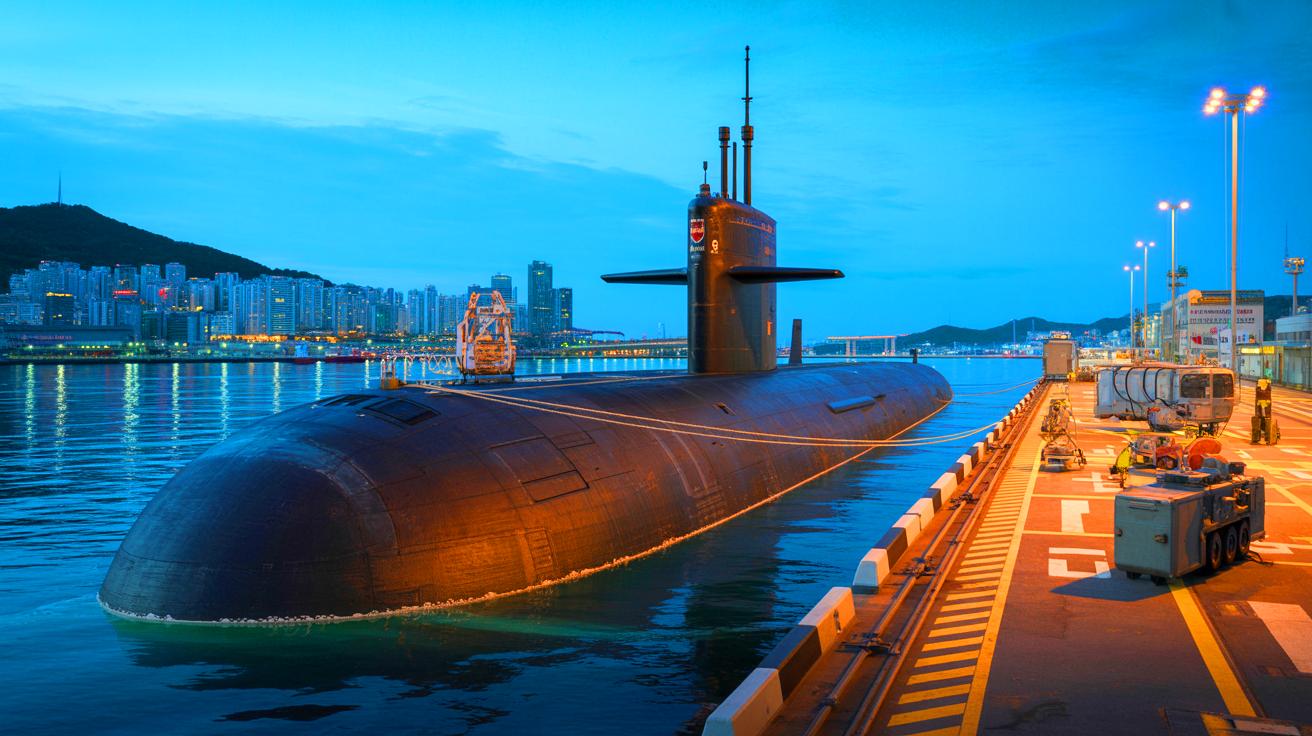
The docking of the USS Alexandria, a nuclear-powered fast-attack submarine, in South Korea’s port of Busan has sparked a vehement response from North Korea, further escalating tensions on the Korean Peninsula. Pyongyang’s sharp warning of retaliation against the United States underscores the fragile peace in this long-standing hotspot. With the region already on edge following recent military exercises by the U.S. and South Korea near North Korea’s border, the presence of American naval power in close proximity has added fuel to the fire of geopolitical strain.
North Korea Denounces US ‘Hysteria for Confrontation’
North Korea’s Ministry of Defence, through its state-run news agency KCNA, has condemned the docking of the USS Alexandria as a “clear expression of the US invariable hysteria for confrontation.” This rhetoric highlights Pyongyang’s ongoing concerns over U.S. military presence near its borders. The statement also warned of “undesirable consequences,” a phrase that underscores the potential for heightened conflict. North Korea perceives the presence of a U.S. nuclear submarine as a direct threat to its sovereignty and a provocation that could justify its own military build-up.
Historically, Busan has hosted significant U.S. naval assets, including the USS Ronald Reagan in 2022, which also drew sharp rebukes from Pyongyang. Such deployments are seen by North Korea as rehearsals for invasion, exacerbating the already tense military atmosphere on the peninsula. The USS Alexandria’s capabilities, including Tomahawk cruise missiles, only add to North Korea’s fears of U.S. aggression. These developments highlight the ongoing cycle of military posturing that continues to destabilize the region.
Rising Tensions Amid Shifting US Diplomacy
The recent warnings from North Korea coincide with a shift in U.S. leadership, as Donald Trump has returned to the presidency. Despite the unconventional diplomatic efforts between Trump and North Korean leader Kim Jong Un during Trump’s first term, recent statements from Pyongyang suggest a limited interest in rekindling dialogue. The U.S. continues to impose stringent economic sanctions on North Korea, which Pyongyang claims necessitates its military expansion.
The Korean Peninsula remains one of the most militarized areas globally, with approximately 28,500 U.S. troops stationed in South Korea since the Korean War armistice in 1953. The heavily fortified Demilitarized Zone (DMZ) between North and South Korea is a constant reminder of the unresolved conflict. North Korea’s recent missile tests, including those of intercontinental ballistic missiles (ICBMs) claimed to reach the U.S. mainland, further complicate the geopolitical landscape. Despite international sanctions, North Korea continues to advance its nuclear program, challenging global efforts to curb its ambitions.
Increased Military Cooperation and North Korea’s Persistent Opposition
Joint military exercises by South Korea and the United States are routine, intended to ensure preparedness in the face of potential threats. However, North Korea views these drills as provocations, often responding with aggressive rhetoric or military demonstrations. The USS Alexandria’s arrival in Busan is part of a broader strategy of increased military cooperation between South Korea, the United States, and Japan, aimed at countering threats from North Korea and China.
This trilateral cooperation includes enhanced intelligence-sharing agreements, maritime security initiatives, and joint naval operations, all designed to maintain regional stability. Despite these efforts, North Korea remains steadfast in its opposition, viewing such alliances as direct challenges to its security. The interplay of military readiness and diplomatic stalemate continues to define the tense dynamics on the Korean Peninsula.
The arrival of the USS Alexandria in Busan has once again brought the simmering tensions on the Korean Peninsula to the forefront of international attention. As North Korea issues warnings and the U.S. maintains its strategic presence, the potential for conflict remains a pressing concern. With both sides entrenched in their positions, the path to diplomatic resolution seems fraught with challenges. Could a renewed focus on dialogue and diplomacy offer a viable solution to this enduring standoff?




Why does North Korea always react so dramatically to US military actions? 🤔
Wow, things are heating up again! When will this cycle of tension ever end? 🤔
Another day, another provocation. Is anyone really surprised anymore?
Is it really necessary to dock a nuclear submarine in a region already on edge? Seems like poking the bear to me.
Thank you for the detailed analysis on the USS Alexandria’s deployment! Very informative.
North Korea’s reaction is predictable, but can we really blame them for feeling threatened?
How many times has North Korea issued these kinds of warnings? Seems like a broken record. 🤷♂️
Another chapter in the never-ending saga of geopolitical chess on the Korean Peninsula. 🎭
What specific “undesirable consequences” are they talking about? Seems vague.
Why is the U.S. still stationing so many troops in South Korea after all these years?
Isn’t this just another example of the military-industrial complex at work?
The USS Alexandria sounds impressive, but does its presence actually deter North Korea or provoke them further?
I’m curious about the impact of these tensions on the South Korean economy.
Diplomacy seems to be a lost art these days. Bring back the peace talks! ✌️
Isn’t it time for some real diplomatic efforts? All this military posturing can’t be healthy.
Interesting article, but I’m curious: how does China feel about all this?
Great article! Makes me wonder about the future of US-North Korea relations.