


| IN A NUTSHELL |
|
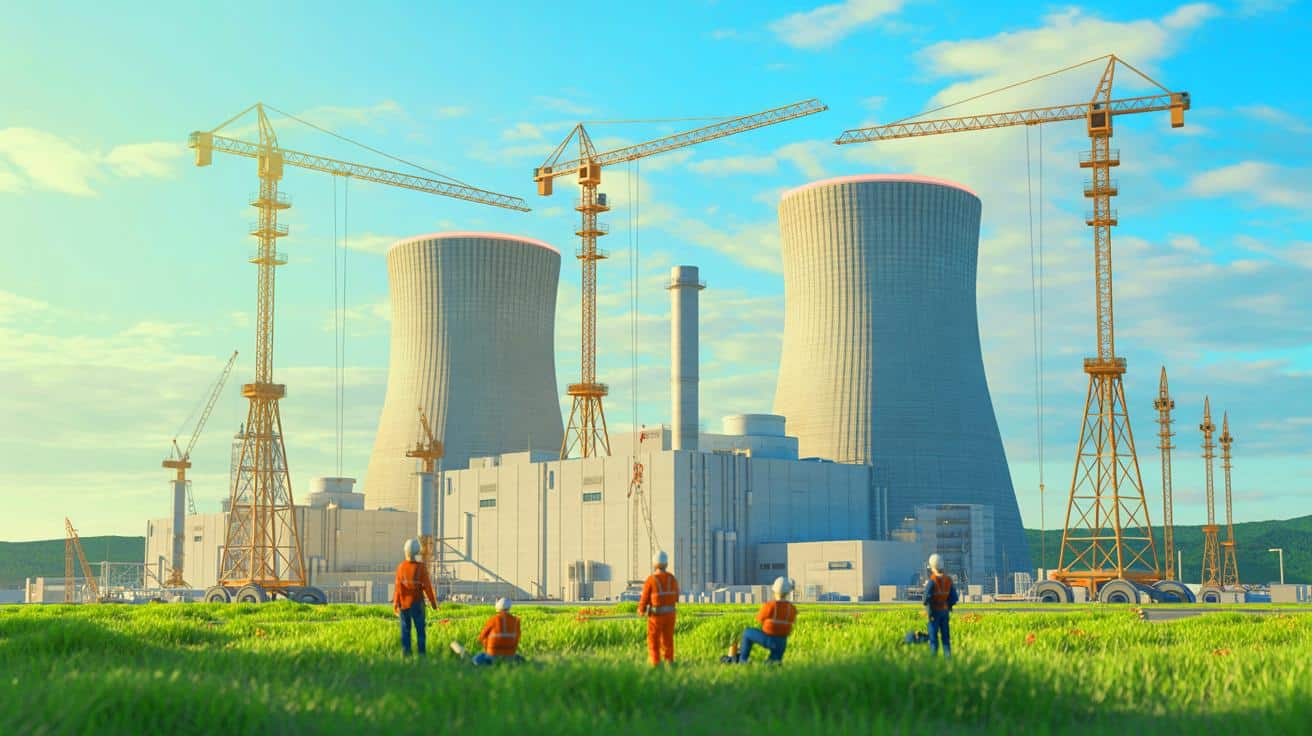
The revival of nuclear energy has become a focal point in the United States’ strategy to achieve energy independence and combat climate change. With a push from the Trump administration, deregulation efforts aim to streamline the approval process for nuclear reactor construction. However, this push is met with skepticism from experts who question the viability of this approach. They argue that the high costs and extended construction timelines of nuclear infrastructure remain significant barriers. As the industry grapples with these challenges, the debate continues on whether nuclear energy can indeed deliver on its promises or if it remains trapped in a cycle of unfulfilled potential.
The Push for Nuclear Independence
The Trump administration’s initiative to revive nuclear energy is driven by the desire to reduce reliance on foreign energy sources. Through a series of executive orders, the administration has sought to cut through bureaucratic red tape, paving the way for the construction of new nuclear reactors. The aim is to produce 400 gigawatts of nuclear energy by 2050, a goal that requires significant advancements in nuclear technology.
Central to this effort is the restructuring of the Nuclear Regulatory Commission (NRC), which oversees nuclear safety and licensing. The administration believes that easing regulatory constraints will unleash the potential of the nuclear industry. However, experts warn that simply removing regulatory barriers may not address the core issues of cost and safety that have historically plagued the nuclear sector.
The Idaho National Laboratory and other institutions are at the forefront of nuclear innovation, developing more efficient fuels and reactor designs. Companies like Westinghouse are investing heavily in new reactor technologies, indicating a shift toward a more proactive industry stance. Despite these efforts, the path to achieving nuclear independence is fraught with challenges that extend beyond regulatory hurdles.
A History of False Starts
The concept of a "nuclear renaissance" is not new. The early 2000s saw a similar surge in interest as nuclear energy was touted as a solution to climate change and fossil fuel depletion. However, the Fukushima disaster in 2011 dampened enthusiasm, highlighting the risks associated with nuclear power. As a result, global reliance on nuclear energy has decreased, with its share in electricity generation falling from its peak in 2001.
In the United States, the number of operational reactors has remained relatively stable, with only a few new reactors coming online in recent decades. This stagnation has prompted a reevaluation of nuclear's role in the energy mix. Proponents like Todd Allen point to the rise of private sector involvement as a positive sign, citing companies such as TerraPower that are pioneering new reactor designs.
Despite these developments, skepticism remains. Critics argue that the nuclear industry is caught in a "hype bubble," with expectations far exceeding the current technological capabilities. The lessons from past attempts at a nuclear renaissance serve as a cautionary tale, reminding stakeholders of the complex challenges that must be addressed for nuclear energy to fulfill its potential.
Innovations and Challenges in Reactor Technology
Recent advancements in nuclear technology have centered around small modular reactors (SMRs) and microreactors. These smaller reactors promise greater flexibility, safety, and cost-effectiveness compared to traditional large reactors. With capacities ranging from 20 to 300 megawatts, SMRs are designed to be more adaptable to varying energy needs.
The potential of SMRs has sparked significant interest, with projections suggesting a $295 billion market by 2043. The U.S. Department of Energy is actively supporting this technology, aiming to have several SMRs operational in the near future. However, the real-world application of SMRs remains limited, with their safety and economic viability still under scrutiny.
Challenges such as higher construction costs and increased nuclear waste production pose significant hurdles. Furthermore, the reliance on enriched uranium, primarily sourced from Russia, complicates the supply chain. Researchers at institutions like Idaho National Laboratory are working to develop alternative fuel sources and enhance reactor safety through advanced simulation technologies.
Balancing Regulation and Innovation
The debate over deregulation in the nuclear sector highlights the tension between innovation and safety. While the Trump administration advocates for reducing regulatory burdens, experts caution against undermining the NRC's independence. They argue that robust oversight is crucial to ensuring the safe operation of nuclear facilities.
Matt Bowen, an expert on nuclear policy, points out the paradox of attempting to do more with less. Proposed budget cuts to the Department of Energy raise concerns about the availability of resources necessary to support nuclear research and development. The administration's focus on deregulation as the primary solution may overlook the complex economic and technical challenges facing the industry.
As the U.S. strives to expand its nuclear capabilities, the need for a balanced approach becomes evident. Achieving the ambitious goal of 400 gigawatts by 2050 will require cooperation between government, industry, and research institutions. The future of nuclear energy depends on navigating these challenges while maintaining a commitment to safety and sustainability.
The quest for a nuclear energy renaissance raises critical questions about the future of energy policy in the United States. Can the industry overcome its historical challenges to become a cornerstone of clean energy? As the nation grapples with climate change and energy security, the role of nuclear power remains a subject of intense debate. Will the latest push for innovation lead to a sustainable and safe nuclear future?



Is it really feasible to cut the Energy Department’s budget and expect to build 400 gigawatts of nuclear power? 🤔
Is this really the best time to cut the Energy Department’s budget? 🤔
Nuclear energy could be the answer to climate change, but only if done safely.
Small modular reactors sound promising, but how soon can they be deployed?
Isn’t relying on nuclear energy just trading one problem for another?
Who’s going to pay for all this new nuclear infrastructure? 🤷♂️
Great article! It’s important to discuss the balance between regulation and innovation. 👍
Are there any countries successfully implementing SMRs?
Why does nuclear energy always seem to be on the brink of a breakthrough but never quite gets there?
With Trump’s budget cuts, what’s the future for nuclear research and development?
Can’t help but feel a bit skeptical about the 400 gigawatts goal. 🤨
History repeats itself. Remember the hype bubble from the early 2000s?
How will the U.S. address the nuclear waste issue if they ramp up nuclear power?
Is it true that deregulation could compromise nuclear safety standards?
Why is the U.S. still relying on enriched uranium from Russia? 🤔
Thanks for the comprehensive overview of the nuclear energy landscape!
This move seems like putting the cart before the horse. Has anyone thought about the safety regulations? 🚦
Why aren’t we hearing more about the environmental impact of nuclear waste?
Is it really possible to achieve energy independence through nuclear power alone?
Could the private sector help solve some of nuclear energy’s biggest challenges?
Can someone explain why nuclear energy is still considered a viable option?
Budget cuts and increased goals—seems contradictory, doesn’t it?
Shouldn’t we be more cautious after the lessons learned from Fukushima? 🌊
How do SMRs compare in cost to traditional nuclear reactors?
400 gigawatts sounds like a lot! How realistic is this goal?
Is there a timeline for when these new nuclear technologies will be available?
Inovation is great, but not at the cost of safety! 🔒
How will these changes affect the job market in the energy sector?
What role does the NRC play in ensuring these goals are safely met?
Trump’s energy policy is a joke. How can you expect to innovate without proper funding?
Isn’t nuclear energy supposed to be one of the cleanest energy sources? Why cut the budget now?
400 gigawatts? That’s a pipe dream! 😆
Why not focus on renewable energy sources instead of nuclear? 🌞
The idea of SMRs sounds promising. Are there any operational SMRs right now?
Will deregulation really solve the core issues of cost and safety in nuclear energy?
Why is no one talking about the nuclear waste issue? It’s a huge problem! 😕
Thank you for highlighting the challenges in achieving nuclear independence.