



| IN A NUTSHELL |
|
In an era where clean energy is paramount, the quest for a viable fusion power source has taken a significant stride forward. The United Kingdom-based company, First Light Fusion (FLF), has unveiled a groundbreaking approach to nuclear fusion that promises to revolutionize the energy landscape. Dubbed the Fusion via Low-power Assembly and Rapid Excitation (FLARE), this method aims to make nuclear fusion commercially viable while significantly reducing costs. As the world grapples with climate change and energy demands, FLF’s innovative process offers a glimpse into a future powered by sustainable and affordable energy.
The FLARE Process: A New Approach to Fusion
The FLARE process distinguishes itself from traditional inertial fusion energy techniques by decoupling fuel compression and ignition. Unlike conventional methods that rely on high-power lasers, FLF employs cylindrical targets with a dense pusher to compress the fuel using modest energy inputs. This approach reduces energy losses and enhances confinement, setting the stage for ignition through auxiliary sources such as short-pulse lasers or pulsed power systems.
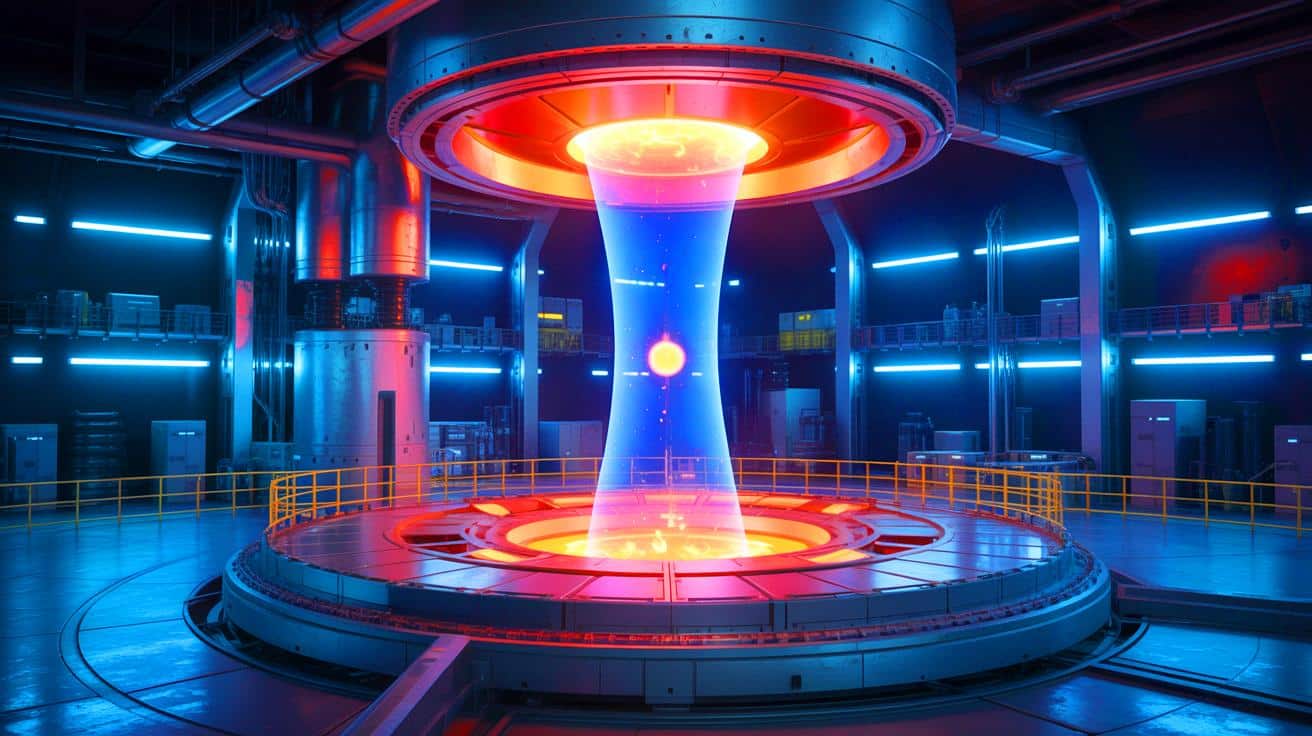
In the FLARE design, the fusion reaction occurs in a liquid lithium pool dynamically structured with inert gas. This innovative setup absorbs neutrons, breeds tritium, captures heat, and shields reactor walls without complex solid structures. FLF’s years of research culminate in this economical ignition and burn approach, paving the way for an unprecedented gain in energy output.
Currently, FLF is focused on validating each component of the FLARE process using existing experimental facilities. The company aims to model, design, and prototype targets to build the scientific and engineering foundation for its first demonstration reactor. By leveraging proven technologies, FLF seeks to offer a cost-effective alternative to traditional fusion methods.
A Pathway to Viable Nuclear Fusion Energy
First Light Fusion's high-gain nuclear fusion concept presents a transformative potential for energy production. With a projected energy gain of 1,000, FLF's approach far surpasses the current record of four, set by the U.S. Department of Energy’s National Ignition Facility (NIF) in May 2025. Achieving such a gain could make nuclear fusion an economically competitive energy source.
A gain of at least 200 is deemed necessary for commercial viability, according to FLF's modeling. By reaching a gain of 1,000, the FLARE model could drastically reduce the cost of fusion power plants. The anticipated cost of an experimental gain scale facility is projected to be 1/20th of NIF's, utilizing existing technologies.
Mark Thomas, CEO of First Light Fusion, emphasizes the significance of this breakthrough, stating that the FLARE approach lays out the first commercially viable pathway to high-gain inertial fusion. By opening the door to a new industrial sector, FLF aims to bring others along in this energy revolution.
Technological Innovations and Economic Implications
The FLARE process is poised to address longstanding challenges in nuclear fusion. By utilizing pulsed power instead of high-power lasers, FLF removes complexities that have historically hindered inertial fusion energy development. The low-voltage design further simplifies the process, making it more accessible and cost-effective.
The economic implications of a successful FLARE process are profound. The potential for low-cost nuclear fusion energy could alter the global energy market, providing a sustainable alternative to fossil fuels. FLF's approach also positions the company as a leader in fusion technology, with implications for energy policy and industry standards.
Moreover, the development of fusion power plants based on the FLARE model could spur job creation and economic growth. As countries strive to meet climate targets, the transition to fusion energy could play a pivotal role in achieving sustainable development goals.
UK’s Sea Dagger Autonomous Craft Deploys 12 Commandos at 46 MPH Using Trusted Mission AI Technology
The Road Ahead for First Light Fusion
As FLF advances its FLARE process, the company faces the challenge of moving from experimental validation to full-scale implementation. The journey towards commercial viability involves rigorous testing, prototyping, and collaboration with partners across the energy sector. FLF's commitment to innovation and sustainability will be crucial in overcoming these hurdles.
The company's focus on leveraging existing technologies and proven science underscores its pragmatic approach to fusion energy. By building on a foundation of research and development, FLF aims to demonstrate the feasibility of its process and secure investment for large-scale deployment.
Ultimately, the success of the FLARE process hinges on its ability to deliver on its promise of high-gain, low-cost fusion energy. As the world watches, FLF's progress could redefine the future of energy production and set a new standard for clean energy solutions.
The unveiling of First Light Fusion's FLARE process marks a pivotal moment in the quest for sustainable energy. As the company works towards commercial viability, the potential impact on the energy landscape is immense. Will FLF's innovative approach usher in a new era of clean, affordable energy, and how will this transformation shape our global energy future?


Wow, 1,000X energy return?! Is this the start of a new energy era? 🌟
Wow, this sounds like sci-fi becoming reality! Is this really happening? 🤯
How soon can we expect this technology to be implemented on a large scale?
Finally, some good news for the planet! Thank you, FLF!
The oil industry must be sweating right now! 😂
Is there any environmental risk associated with this fusion process?
How long until we can see this tech in our homes?
Finally, a breakthrough in clean energy. Thank you, First Light Fusion! 🌍
Sounds promising, but what are the potential drawbacks of the FLARE process?
Call me skeptical, but how is this different from past fusion “breakthroughs” that led nowhere?
Is the FLARE process safe for people living near the plant?
Does this mean energy bills could become cheaper in the future?
This is incredible! Does this mean goodbye to fossil fuels? 🤔
I’m skeptical. We’ve heard similar claims before. What’s different this time?
How does this compare to other fusion projects around the world?
Great news for the planet! Hope they can roll it out quickly. 🌱
Can this technology be used in existing nuclear facilities?
FLF is truly leading the way. Can’t wait to see what comes next!
Are there any plans for international collaboration on this project?
Wow, 1,000X energy return? That’s incredible if true!
Could this technology be applied to other industries beyond energy?
Is it cost-effective enough to replace fossil fuels entirely?
How will this impact the job market, especially in the energy sector?
Hope this doesn’t end up being overhyped. Fingers crossed! 🤞
Is this dependent on any rare materials or resources?
How does the FLARE process manage radioactive waste, if any?
Is the technology patent-protected, or is there room for innovation from other companies?
Will this technology be accessible to developing countries?
Sounds good, but what’s the catch? There’s always a catch. 🤔
How expensive is it to build a FLARE-based fusion power plant?
Looks like the future is fusion! 🚀
Have there been any successful tests yet?
When can we expect to see the first demonstration reactor?
Hope this doesn’t lead to geopolitical power struggles over fusion tech.
Is there any possibility of accidents like those in traditional nuclear plants?
Finally, some positive news about energy! Thank you for sharing. 😊