

| IN A NUTSHELL |
|
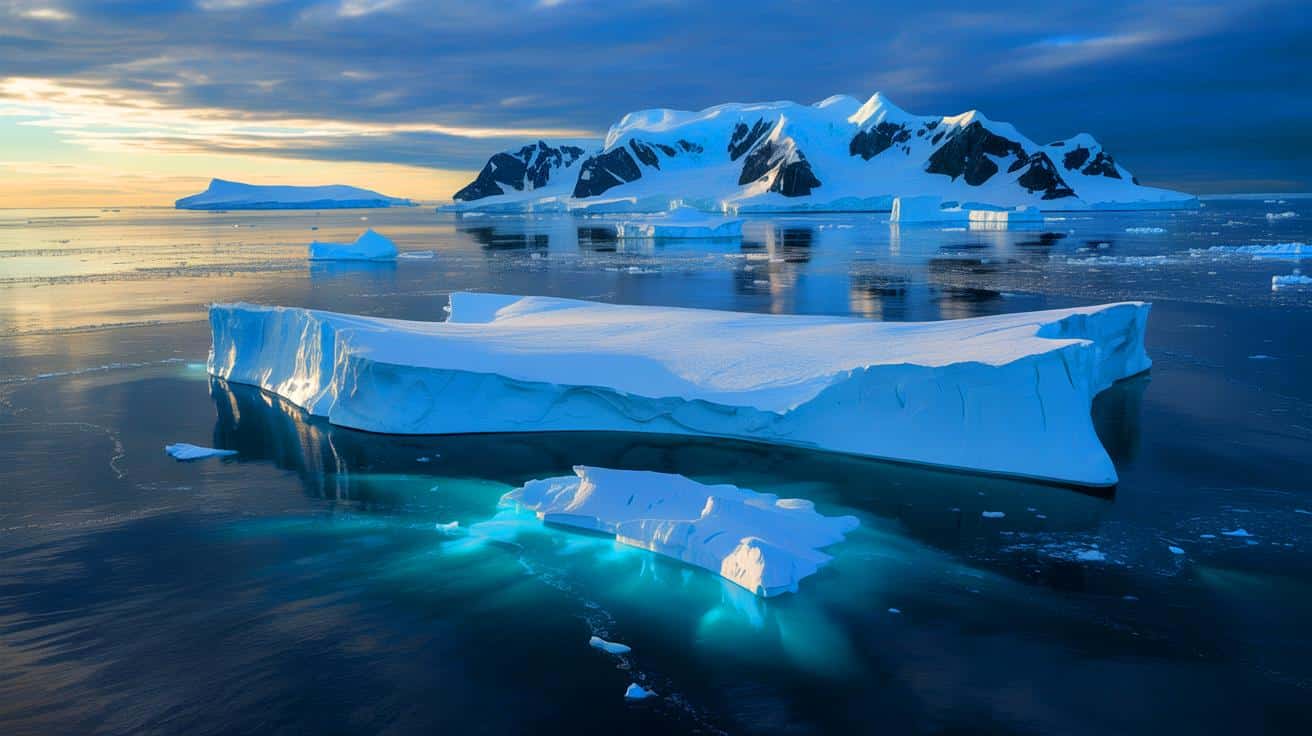
Antarctica, often perceived as a vast, unchanging wilderness, is now undergoing significant and rapid transformations. Recent observations highlight that the continent and its surrounding Southern Ocean are experiencing abrupt changes that could have profound global impacts. Shrinking sea ice, melting ice shelves, and slowing ocean currents are just some of the alarming developments. These changes are not isolated; they have cascading effects on global sea levels, climate systems, and even biodiversity. As the world grapples with these shifts, it becomes increasingly clear that what happens in Antarctica will resonate worldwide, affecting millions and reshaping our understanding of climate change.
Understanding Abrupt Changes
Abrupt changes in Antarctica are redefining our expectations of climate dynamics. Scientists describe these changes as rapid climatic or environmental shifts that occur faster than anticipated. Unlike gradual changes, abrupt shifts can create a self-reinforcing cycle. For instance, as sea ice melts, it exposes darker ocean surfaces that absorb more heat, further accelerating melting. These processes are difficult to reverse, especially within timeframes meaningful to human society.
Historically, Antarctica’s response to climate warming was subtler compared to the Arctic. However, the past decade has seen a distinct shift. Abrupt changes have begun to manifest more frequently, challenging past assumptions of gradual climate impact. These developments underscore the importance of understanding and predicting abrupt changes, as they pose significant risks not only to local ecosystems but also to global climate stability.
Shrinking Sea Ice and Its Ripple Effects
The decline of sea ice around Antarctica since 2014 has triggered a series of cascading changes across interconnected natural systems. The rate of sea ice loss is now twice that of the Arctic, marking an unprecedented deviation from historical patterns. This trend has significant implications, from altering heat reflection dynamics to disrupting habitats for species like emperor penguins.
Sea ice acts as a reflective barrier, sending solar radiation back into space. As it diminishes, more heat is absorbed by the ocean, exacerbating warming. This not only affects marine life but also leaves ice shelves more vulnerable to damage from ocean waves. The ripple effects of shrinking sea ice are profound, threatening biodiversity and contributing to broader climatic shifts.
“We Spent $36,000 To Prove The Earth Is Round,” Flat Earther Admits Shockingly
Slowing Ocean Currents: A Global Concern
The slowdown of critical ocean currents surrounding Antarctica is another concerning development. The Antarctic Overturning Circulation, a system of deep currents, plays a vital role in regulating Earth's climate. It absorbs carbon dioxide and distributes heat, maintaining climate balance. A slowdown in these currents could have dire consequences.
Similar risks are observed in the northern hemisphere, where the Atlantic Meridional Overturning Circulation faces a slowdown. If mirrored in the Southern Ocean, the impact could be severe. Reduced ocean circulation limits oxygen and nutrient distribution, threatening marine ecosystems and climate regulation efforts. Such changes highlight the interconnectedness of global ocean systems and their influence on climate.
The Threat of Melting Ice Sheets
Antarctica's massive ice sheets, particularly in the West and some parts of East Antarctica, are losing ice at an alarming rate, contributing significantly to sea level rise. The West Antarctic Ice Sheet alone contains enough ice to raise global sea levels by over 16 feet. Scientists warn that we may be nearing a critical tipping point for these ice sheets.
The potential collapse of these ice sheets represents one of the greatest uncertainties in future sea level projections. With over 750 million people living in low-lying coastal areas, rising sea levels pose a direct threat to infrastructure and communities worldwide. The urgency to address these changes is underscored by the need to understand and mitigate the risks associated with melting ice sheets.
Wildlife and Ecosystems Under Siege
The rapid changes in Antarctica are not only affecting physical landscapes but also reshaping biological systems. Warming temperatures, erratic ice conditions, and human activities introduce pollution and invasive species, threatening native wildlife and ecosystems. These changes demand immediate conservation efforts.
While the Antarctic Treaty plays a crucial role in protecting ecosystems by creating protected areas and regulating human activities, decisive global action is required to ensure the survival of species like emperor penguins and leopard seals. Reducing greenhouse gas emissions is essential to mitigate further damage and preserve biodiversity.
As we confront these profound changes in Antarctica, the world faces critical decisions about how to respond. The continent, once seen as a symbol of isolation, now stands at the forefront of global climate challenges. How will we navigate the delicate balance between preserving Antarctica's ecosystems and addressing the broader implications of climate change for our planet's future?

Is there any hope left for us if Antarctica’s ice keeps melting at this rate? 😟
Wow, this is alarming! How can we help prevent further damage to Antarctica? 🌍
Great article! The importance of understanding these changes cannot be overstated. Thank you! 🌍
So the sea ice is melting faster than the Arctic? That’s shocking! But why isn’t this more widely reported?
How can we actually help in preserving Antarctica’s ecosystems? Practical steps would be appreciated.
Isn’t it too late to reverse these changes in Antarctica?
Great article! Thanks for shedding light on such a critical issue. 👍
So if Antarctica’s ice melts, does this mean more beach days or should we be worried? 😬
Isn’t it too late to reverse some of these changes? I’m worried about the future.
Are the effects of climate change on Antarctica exaggerated by the media?
Thanks for the eye-opening information. Time to get my reusable bags ready!
How does the slowdown of ocean currents affect our daily lives in other parts of the world?
Why are ocean currents slowing down? It seems like a big deal!
With rising sea levels, should we start investing in houseboats?
Why are we only hearing about this now? Have scientists been able to predict these changes?
Does this mean penguins are in serious trouble? 🐧