




| IN A NUTSHELL |
|
Recent breakthroughs in recycling have opened new avenues for dealing with persistent materials such as polytetrafluoroethylene (PTFE), commonly known as Teflon. This advancement centers around an innovative electron beam technology developed by researchers in Japan. By decomposing PTFE at lower temperatures, the method significantly cuts down on energy consumption, making large-scale recycling more feasible. As global initiatives strive to mitigate the environmental impact of “forever chemicals,” this technological leap could reshape sustainable waste management practices. This article delves into the nuances of this technology and its potential to transform recycling efforts worldwide.
Understanding Electron Beam Technology
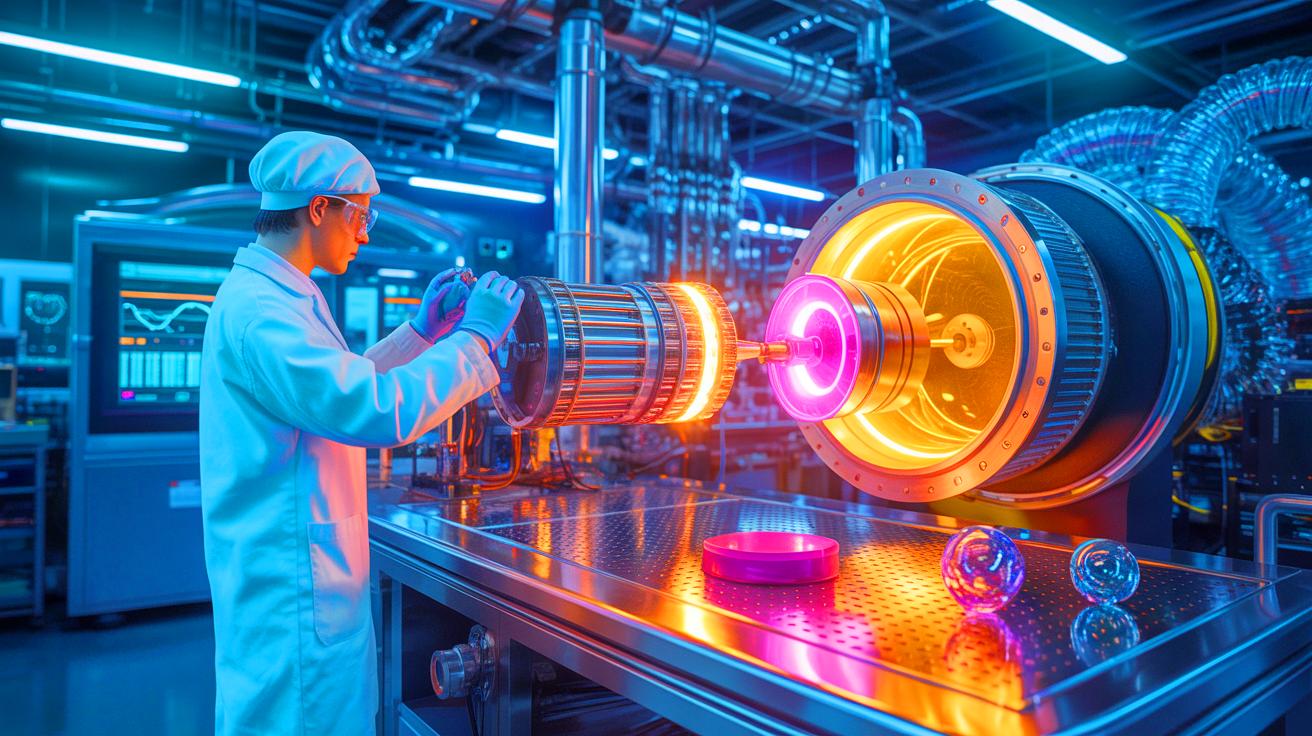
Electron beam technology represents a groundbreaking method for decomposing resilient materials like PTFE. Researchers have discovered that applying moderate heat alongside electron beam irradiation can effectively break down these substances. Initial trials at room temperature achieved a mere 10% decomposition. However, the process becomes markedly efficient at elevated temperatures, reaching an 86% decomposition rate at 518 °F and complete breakdown at 698 °F. This technique transforms solid PTFE into gaseous products such as oxidized fluorocarbons and perfluoroalkanes, which serve as raw materials in chemical manufacturing.
This development signifies a major shift in recycling processes by reducing the energy demands associated with traditional pyrolysis methods. According to Dr. Akira Idesaki, a senior principal researcher, the dual benefits of enhanced recycling efficiency and the feasibility of large-scale applications are evident. By slashing energy requirements from the conventional 2.8 to 4 MWh per ton, this approach marks a considerable advancement in sustainable industrial practices.
Transformative Changes in PTFE Structure
An intriguing aspect of the electron beam technique is its impact on PTFE’s internal structure. The irradiation not only aids decomposition but also prompts molecular-level restructuring. Dr. Hao Yu, the study’s lead author, highlighted that these structural changes are crucial to the increased efficiency observed at higher temperatures. PTFE’s renowned durability, due to its robust carbon-fluorine bonds, categorizes it among the PFAS family, often dubbed “forever chemicals” for their persistence in the environment.
While this durability benefits industrial applications, it poses significant environmental challenges. The new recycling method offers a pivotal advancement in addressing these issues, providing a safer and more cost-effective solution. Dr. Yasunari Maekawa, the project lead, emphasized that this development could lead to cleaner and more sustainable recycling practices for high-performance plastics, thereby mitigating their ecological footprint.
Global Initiatives to Address PFAS Challenges
The environmental issues posed by “forever chemicals” like PFAS have spurred a global response, with numerous research initiatives seeking innovative solutions. A notable effort comes from the University of Leicester, where researchers have devised a method using sound waves to separate materials for recycling. Dr. Jake Yang, a leading researcher, described this technique as simple and scalable, enabling the separation of PFAS membranes from valuable metals without harsh chemicals.
These technological advancements are essential for preventing hazardous chemicals from contaminating ecosystems and affecting human health. The rising awareness of the need for sustainable recycling solutions highlights the importance of ongoing research and international collaboration. As these efforts advance, they offer hope for a more environmentally conscious future.
Porsche Sparks Conflict: “We Fear Battery Tech Lag” as Smarter Solutions Threaten The US Auto Market
The Potential for Future Innovations in Recycling
As the world grapples with the environmental challenges of plastic waste, innovations like electron beam recycling of PTFE offer a beacon of hope. By drastically reducing energy consumption and enabling resource reuse, these methods enhance economic viability and environmental sustainability. Transforming solid waste into valuable feedstock could revolutionize industrial waste management practices.
The integration of such technologies into mainstream recycling processes could significantly reduce the environmental impact of plastics. As researchers refine these methods, the vision of a cleaner, more sustainable future becomes increasingly attainable. How might these innovations influence global recycling strategies, and what new breakthroughs could emerge in the fight against plastic pollution?


Wow, 100% success rate? That’s incredible! 🎉 How soon can we expect this technology to go mainstream?
This is incredible! Can’t wait to see how this changes the recycling industry. 🌍♻️
Does anyone know if this tech will be implemented globally or just in Japan?
Does this mean my old non-stick pans are finally useful for something? 😂
Finally, a solution for those pesky forever chemicals! About time, right?
What’s next, a way to turn plastic into gold? 😂
I’m curious about the cost implications. Is this technology affordable for wide-scale adoption?
Thank you, Japan, for pioneering this technology. Hope it spreads worldwide soon!
How does the process affect air quality? Are the gaseous products safe? 🤔
Finally, a solution for “forever chemicals”! Thank you, Japan! 🙌
I wonder how cost-effective this will be in the long run. Any thoughts?
This sounds almost too good to be true. Is there a catch? 🤨
Sounds promising, but how do we ensure the safety of the gaseous byproducts?
Will this technology work on other types of plastics too, or just Teflon?