




| IN A NUTSHELL |
|
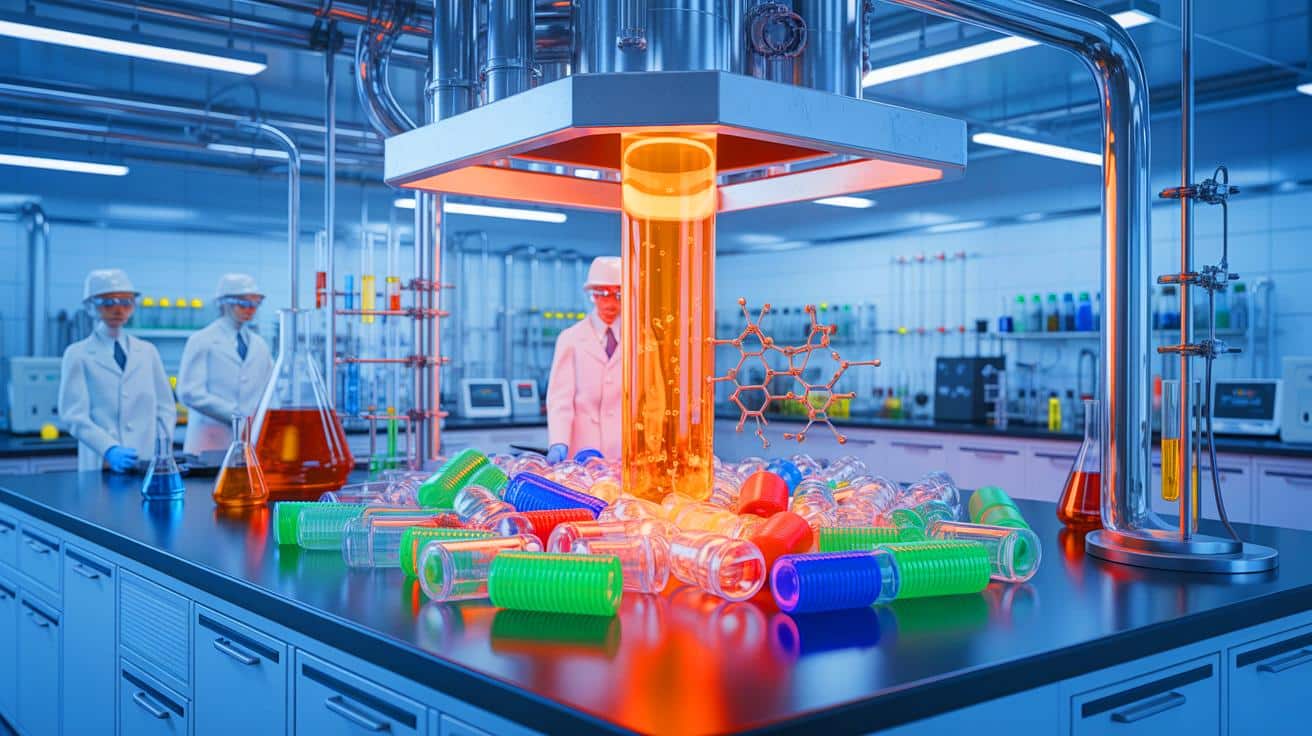
The world is drowning in plastic waste, with billions of tons accumulating in landfills and oceans, posing a severe threat to environmental and human health. While recycling efforts exist, they often fall short due to the complexity and cost involved in processing different types of plastics. However, a recent breakthrough by chemists at Northwestern University may offer a transformative solution. By developing a novel catalyst that can convert mixed plastics into valuable products like fuels and waxes, this innovation promises to revolutionize recycling efforts worldwide. This development could signal a major shift in how we tackle the plastic waste crisis, offering a cleaner and more efficient path forward.
Rethinking Plastic Recycling
Plastic recycling has long been plagued by inefficiencies. Traditional methods often require the tedious sorting of plastics by type, a step that is both costly and time-consuming. Additionally, many plastics, especially polyolefins, are notoriously difficult to recycle. These materials, which include everyday items such as milk jugs and plastic wraps, account for nearly two-thirds of global plastic consumption. Yet, their recycling rate remains below 10% worldwide. The reason is simple: current methods are not only expensive but also energy-intensive and produce low-quality materials.
Northwestern University’s new catalyst offers a potential game-changer. By bypassing the need for sorting and operating at lower temperatures, this nickel-based catalyst can efficiently break down single-use plastics into high-value products. This process not only simplifies recycling but also enhances the quality of the materials produced, making them suitable for upcycling rather than downcycling. This innovative approach could significantly increase recycling rates and reduce the environmental impact of plastic waste.
Catalyst Cuts Through the Problem
The team at Northwestern employed a process known as hydrogenolysis, which uses hydrogen gas combined with a catalyst to sever strong carbon-carbon bonds in plastics. Unlike traditional methods that rely on expensive platinum or palladium catalysts, this process uses a single-site nickel catalyst. Notably, it operates at a temperature 100 degrees Fahrenheit lower than other nickel-based catalysts and requires half the hydrogen gas pressure. According to co-author Yosi Kratish, the process also uses significantly less catalyst material, making it both cost-effective and efficient.
This precision design acts like a molecular scalpel, targeting specific bonds in branched polyolefins while leaving others intact. As a result, the chemical breakdown of mixed plastics is cleaner and more efficient. The outcome is high-value oils and waxes that can be upcycled, offering a substantial improvement over conventional methods. The development of this catalyst represents a significant advancement in the field of chemical recycling, potentially setting a new standard for efficiency and sustainability.
Turning a Recycling Hurdle into a Boost
One of the most unexpected benefits of the new catalyst was its interaction with polyvinyl chloride (PVC), a polymer often considered a contaminant in recycling processes. Typically, PVC can poison catalysts and ruin recycling batches, but in this case, it enhanced the catalyst’s performance. As Kratish explained, this was an unforeseen outcome that defied conventional wisdom. Even when PVC constituted a quarter of the waste mix, the catalyst’s efficiency improved.
Senior author Tobin Marks highlighted that this discovery could drastically alter recycling economics. By eliminating the need for extensive sorting and enabling the use of previously “unrecyclable” plastic streams, the catalyst offers a practical and economically viable alternative to current strategies. This breakthrough could enable recyclers to process a wider range of plastics, turning what was once waste into a valuable resource.
Potential Impact and Future Directions
Backed by the U.S. Department of Energy and Dow Chemical Company, this research, published in Nature Chemistry, could pave the way for a new era in plastic recycling. If scaled effectively, the nickel catalyst process could significantly reduce the volume of plastic waste, transforming it into useful products. This would not only alleviate environmental concerns but also provide economic incentives for industries to adopt more sustainable practices.
As the global community grapples with the escalating plastic waste crisis, innovations like this offer hope for a cleaner and more sustainable future. The ability to efficiently recycle mixed plastics could revolutionize waste management systems worldwide, turning a global environmental challenge into an opportunity for resource recovery and economic growth.
As we stand on the brink of a recycling revolution, the question remains: How will industries and policymakers respond to this breakthrough, and what steps will be taken to implement this technology on a global scale?


Is this the end of sorting my recycling? 😅
Wow, this could be a game-changer for the environment! 🌎 How soon can we expect to see this technology in use?
Sounds like magic! How soon can this be implemented on a large scale?
Is this process cost-effective enough to be implemented on a large scale?
Thank you, Northwestern scientists! This could be a real game-changer. 🙌
Finally, some good news about plastic waste! Thanks to the scientists at Northwestern for their hard work. 🙌
What are the potential environmental impacts of this catalyst technology?
Wait, so we’re turning trash into treasure? I’m in! 💰
I wonder if this will make fuel prices drop? 🤔
I’m skeptical. How do we know this isn’t just another overhyped “miracle” solution?
How does the efficiency of this process compare to traditional recycling methods?
Does this process produce any harmful emissions or byproducts?
Can this catalyst be used for other types of waste besides plastics?
Finally, a practical solution to our plastic waste problem! 🥳
Why hasn’t this been done before if it’s so effective?
What happens to the PVC once it’s processed? Is it safe?
Another breakthrough that’s “supported” by big companies? Call me skeptical. 😒
This seems too good to be true. What’s the catch?
How does the cost of this new process compare to current recycling methods?
Wow, could this really help clean up our oceans? 🌊
When will this be available in other countries?
Let’s hope this tech doesn’t just sit in a lab forever.
Any chance this could lead to new jobs in the recycling industry?
Looks like a win for the environment and the economy! 🌍💰
Why isn’t there more media coverage on this amazing discovery?
How does it handle other contaminants in the waste mix?
Sounds promising, but what are the long-term effects of using this catalyst?
Hope this isn’t just another scientific breakthrough that never sees the light of day.
Can this new process recycle plastics into anything other than fuels and waxes?
Great news! But will this tech be affordable for developing countries? 🤞
How long did it take to develop this catalyst?
Is there a possibility of scaling this up to handle the world’s plastic waste?
Does this mean we’ll see fewer plastic bans and more recycling in the future?
What happens to the catalyst after the process? Is it reusable?
Could this technology be adapted to handle electronic waste too?
The future of recycling looks bright! What’s next for Northwestern University? 🌟
This is fantastic news. Thank you, researchers! Keep up the great work. 😊