




| IN A NUTSHELL |
|
As the demand for energy skyrockets, driven by the rapid expansion of artificial intelligence and its infrastructure, the United States is exploring innovative solutions to manage power needs. The Energy Secretary, Chris Wright, has proposed utilizing the nation’s extensive network of large industrial diesel generators to address this challenge. This initiative aims to alleviate rising electricity costs and reduce the need for new power plant construction, which could save tens of billions of dollars. The move could potentially unleash a significant amount of power capacity, equivalent to dozens of nuclear power plants, to meet the burgeoning energy needs of data centers and other facilities.
Harnessing Idle Generators to Meet Energy Demand
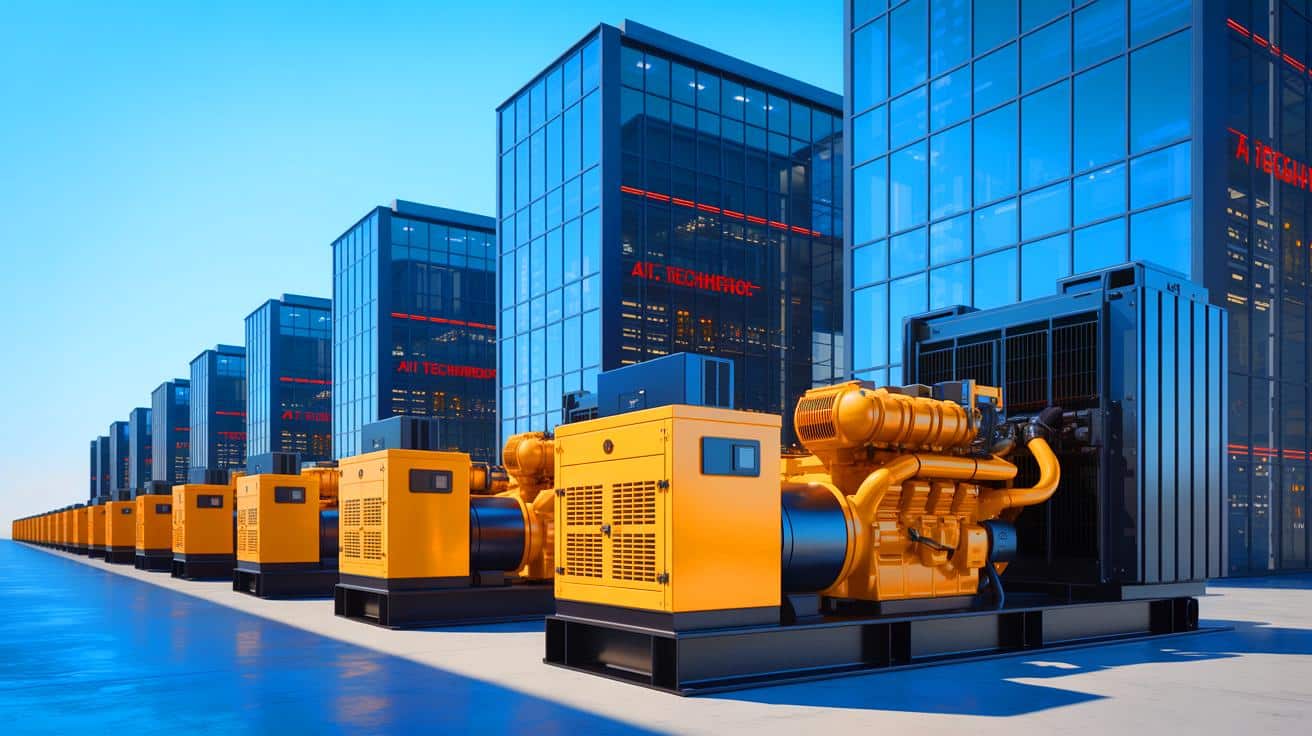
The United States is home to a vast number of diesel generators located at data centers, big box stores, and other industrial sites. These generators are primarily used as backup power sources, ensuring a continuous supply of electricity in case of grid failures. However, they remain largely idle under normal circumstances. In a bid to curb rising electricity costs and meet the increasing power demand from the AI sector, Energy Secretary Chris Wright has proposed tapping into this underutilized resource. Wright suggests that utilizing these generators could add the equivalent of 35 traditional nuclear power plants’ worth of electricity to the national grid.
While this approach could reduce the necessity to construct new power plants, which are costly and time-consuming, it raises concerns about environmental impacts. Diesel generators are known for their emissions, and current pollution regulations limit their use. Nonetheless, Wright emphasized the potential of these assets, stating, “The massive data center build-out over the next few years — most of it we can meet with generators.”
Economic Implications of Rising Electricity Prices
The surge in electricity prices has become a pressing issue for the United States, exacerbated by the growing demand from AI, new manufacturing facilities, and electric vehicles. Over the past year, electricity prices have risen by approximately 5.1%, with residential prices experiencing an even steeper increase of 10.5% in recent months. This rise in energy costs places a significant financial burden on consumers and businesses alike. The challenge for the current administration is to balance the burgeoning energy demands with affordability.
By tapping into the existing network of diesel generators, the administration aims to provide a cost-effective solution to stabilize electricity prices. This initiative could also have favorable economic consequences for companies such as Generac Holdings Inc., a leading manufacturer of stationary backup generators, as their shares have already shown a positive response to the announcement.
How Switzerland Regulates Online Casinos: The ESBK Licensing System Explained
Environmental Concerns and Legislative Actions
The proposal to utilize diesel generators more frequently is not without its critics. Environmental groups have voiced concerns about the potential negative effects on air quality due to increased emissions from diesel generators. These concerns are particularly relevant in areas with high concentrations of data centers, such as Virginia’s Data Center Alley, where nearly 9,000 diesel generators have been permitted for backup use.
In response to these environmental challenges, some states have taken legislative action. Maryland, for example, passed a law last year that eases restrictions on the use of backup generators. This move highlights the ongoing debate between addressing immediate energy needs and ensuring environmental protection. The administration continues to explore the “right way” to deploy these generators, balancing energy demands with environmental considerations.
The Role of Communication and Policy in Energy Management
Effective communication and policy formulation are critical in managing the nation’s energy resources. Secretary Wright highlighted the importance of raising awareness about the existing network of diesel generators, stating, “It’s going to start with communication to everyone that these assets exist.” This awareness is crucial for garnering support from stakeholders and ensuring that the deployment of these generators is both efficient and environmentally responsible.
As the administration studies the feasibility of this initiative, it must consider various factors, including regulatory changes, technological advancements, and public sentiment. Engaging with environmental groups, industry leaders, and policymakers will be essential in crafting a balanced approach that meets the country’s energy needs without compromising environmental integrity.
The proposal to utilize diesel generators to meet the United States’ growing energy demand presents both opportunities and challenges. While it offers a potential solution to rising electricity costs and the need for new power plants, it also raises environmental concerns. As the nation navigates these complexities, how will policymakers balance the urgent need for energy with the imperative of sustainability?


Interesting read! But are there any cleaner alternatives to diesel generators for meeting these power demands?
Isn’t using diesel generators just a temporary fix for a larger problem? 🤔
This is all about money, isn’t it? Who cares about the environment when there’s profit involved!
Diesel generators? Are we in the 80s? 😂
I appreciate the article highlighting both sides of the issue. Thank you for the balanced perspective!
Thank you for shedding light on this issue. It’s crucial to discuss both the economic and environmental impacts. 🌍
Why not focus on renewable energy sources instead of diesel generators? 🌿
What are the specific emissions levels from these generators compared to traditional power plants?
How will this affect my electricity bill? I hope it goes down!
Seems like a short-sighted solution. We should be investing in renewables instead.
More diesel use? Next thing you know, we’ll all be wearing gas masks! 😂
How much money exactly is expected to be saved by using these generators?
Can AI help in optimizing these diesel generators to minimize emissions?