


| IN A NUTSHELL |
|
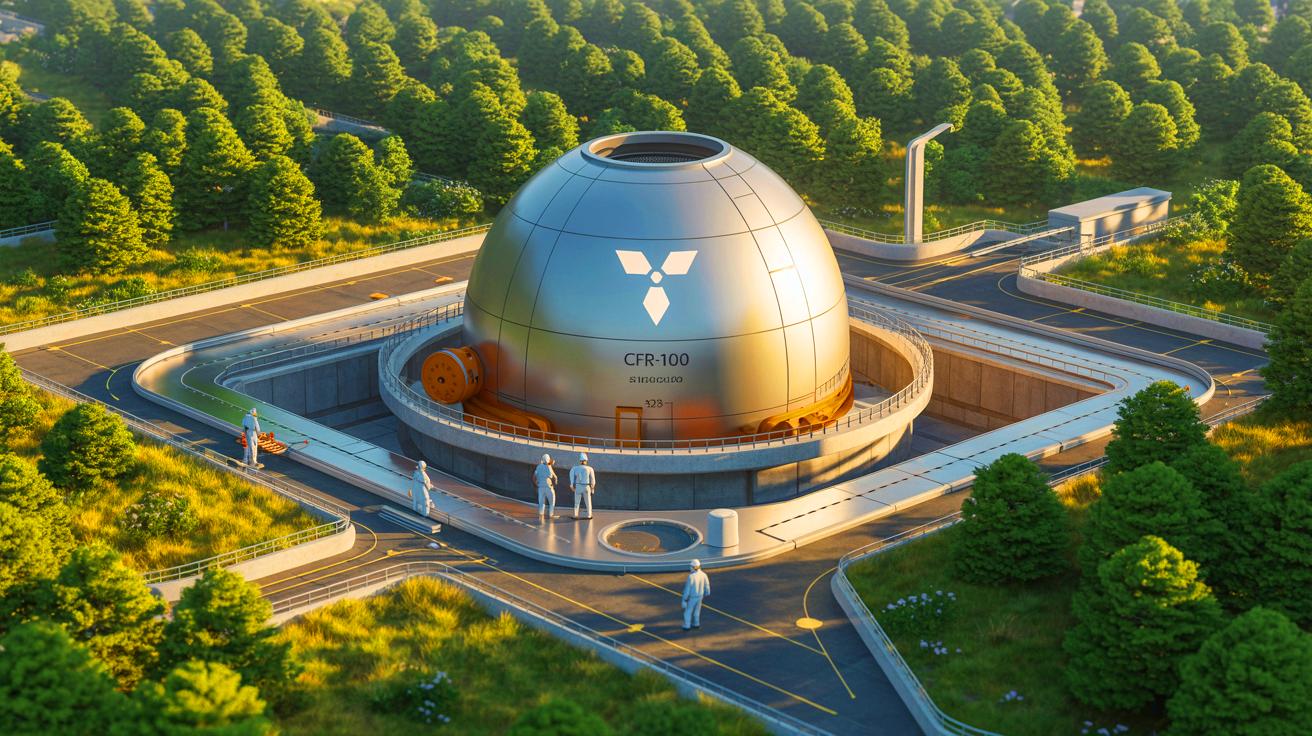
China has recently unveiled the CFR-1000, a groundbreaking fast neutron reactor that has the potential to power up to one million homes. This development marks a significant advancement in nuclear energy technology, as the world increasingly seeks sustainable and efficient energy solutions. The CFR-1000 harnesses fast neutrons to achieve higher efficiency and reduced waste, distinguishing it from traditional nuclear reactors. As China positions itself at the forefront of nuclear innovation, the global implications are profound, potentially reshaping international energy strategies. With the reactor expected to become operational by 2034, the world watches closely as China navigates regulatory approvals and technical challenges.
The Potential of Fast Neutron Reactors
The CFR-1000 represents a new era in nuclear reactor technology, utilizing fast neutrons instead of the slow neutrons employed in traditional reactors. This shift allows for higher efficiency and greater energy output. By eliminating the need for materials like water to slow down neutrons, the CFR-1000 employs high-speed neutrons to sustain nuclear fission, resulting in significant fuel efficiency.
One of the notable advantages of fast neutron reactors is their ability to support a closed-loop fuel cycle. These reactors can “breed” new fuel, such as plutonium-239, from non-fissile materials like uranium-238. This capability not only reduces the need for fresh uranium mining but also minimizes nuclear waste. The potential to reuse nuclear waste aligns with global efforts to promote sustainable energy solutions. As the world grapples with environmental challenges, fast neutron reactors like the CFR-1000 could play a crucial role in achieving energy sustainability.
Innovative Cooling Techniques
A distinctive feature of the CFR-1000 is its use of liquid sodium as a coolant, replacing the more traditional water. Liquid sodium transfers heat more efficiently, allowing the reactor to operate at higher temperatures and enhancing its energy output. This innovative approach mitigates some risks associated with water-cooled reactors, such as steam explosions.
However, the use of liquid sodium introduces new challenges. It requires careful handling to prevent chemical reactions and ensure safety. As the CFR-1000 moves toward operational status, these technical considerations will be closely monitored by both Chinese authorities and international experts. The successful implementation of liquid sodium cooling could set a new standard for reactor technology, influencing future developments in the field.
China Firm Sparks US Fears: This New Battery Defies -40°F, Solar Industry Faces Potential Disruption
Challenges and Regulatory Hurdles
Despite its promising features, the CFR-1000 faces significant regulatory scrutiny before it can become operational. Nuclear safety is a paramount concern, particularly with fast neutron reactors, which operate differently from conventional reactors. The approval process is expected to be lengthy and complex, involving multiple stakeholders and rigorous safety evaluations.
The international community is also closely observing these developments, not only due to safety concerns but also because of the geopolitical implications. China’s leadership in nuclear technology could shift global energy dynamics and influence international policies. As the CFR-1000 progresses toward approval, it will likely be a focal point of international discourse, highlighting the balance between innovation and safety in nuclear energy.
Porsche Sparks Conflict: “We Fear Battery Tech Lag” as Smarter Solutions Threaten The US Auto Market
Global Implications and Future Prospects
The advancement of the CFR-1000 may prompt other nations to reassess their nuclear strategies. The potential of fast neutron reactors to offer more efficient and sustainable energy solutions could influence global energy policies. Countries striving for energy independence and reduced carbon emissions might explore similar technologies to enhance their energy portfolios.
The CFR-1000 could serve as a benchmark for future nuclear developments, encouraging further research and investment in this area. As the world seeks to balance energy needs with environmental responsibilities, the role of nuclear power, particularly advanced reactors like the CFR-1000, could become increasingly significant. However, it remains to be seen how other countries will respond to China’s technological leap forward.
The development of the CFR-1000 marks a significant milestone in nuclear energy innovation. As China moves closer to operationalizing this reactor, its impact on global energy strategies and environmental sustainability could be profound. How will other nations adapt to this shift in nuclear technology, and what role will fast neutron reactors play in the future of energy production?



Wow, if this thing can really power a million homes, it’s a game-changer! 🔋
Wow, China’s really stepping up their game in nuclear energy! ⚡ Does this mean we’ll see a drop in energy prices globally?
Is the CFR-1000 safe enough? Safety should be the top priority!
Isn’t liquid sodium a bit risky as a coolant? What happens if it leaks? 🤔
Finally, some good news from China! Thanks for sharing. 😊
Hope they have a solid plan for handling liquid sodium. Sounds risky!
Thank you for this informative piece. The details on fast neutron technology were fascinating!
China ahead in nuclear tech again? Time for the West to step up!
What about the waste? How will they manage that? ♻️
Can the CFR-1000 technology be implemented in other countries, or is it too specific to China’s infrastructure?
This is like something out of a sci-fi movie. Cool stuff! 🚀
Will this affect the global uranium market? 🤔
I’m skeptical. Why is China the only country making these advancements while others struggle? 🤨
Sounds like a huge leap! But can they deliver by 2034?
Can’t wait to see how this impacts energy policies worldwide!
This sounds like a game-changer! When can we expect to see similar reactors in the West?
Why hasn’t the West developed anything like this yet?
Hope the liquid sodium doesn’t cause any accidents! 😬
Very informative article. Thank you for the insights.
China’s nuclear ambitions are quite impressive. Should we be concerned?
Does this mean cheaper electricity in the future?
So, when can we expect to see this operational? 2034 seems far away!
Are there any environmental concerns with this reactor?
I’m skeptical. Is this really going to work as promised? 🤨
Finally, a reactor that reduces waste! That’s a win for the environment. 🌍
Is the West falling behind in nuclear tech? Time to invest more!
How does the CFR-1000 compare to other reactors worldwide?
2034 is a long wait. Hope it lives up to the hype by then!
This could reshape global energy strategies. Exciting times ahead!
Isn’t liquid sodium highly reactive? Sounds dangerous! ⚠️
Great read! The potential of fast neutron reactors is fascinating.
How reliable are these reactors compared to traditional ones?
Hope they have a robust safety protocol in place.
Will this have any impact on China’s carbon emissions? 🌱
2034 can’t come soon enough. Let’s see if they can pull it off!
Glad to see advancements in nuclear energy. Thanks for the update!
How will this impact China’s relationship with other countries?
Liquid sodium sounds like a futuristic cooling method. Interesting!
Will other countries follow China’s lead in nuclear innovation?
Can this reactor design be replicated elsewhere in the world?
Hope the CFR-1000 sets a new standard for nuclear safety. 🔐
It should be pointed out that liquid sodium is not corrosive to metals but that high temperature steam may well be (especially if the wrong sort of weld is used and enhances corrosion) . An improved approach would be to either use a heat transfer (inert) gas or a thermal store (or perhaps both) and then (if one really wants to use a steam turbine) the water and sodium would be isolated.
It would be better still to use a (low temperature) gas turbine as a topping stage for the steam turbine; safer and cheaper.