




| IN A NUTSHELL |
|
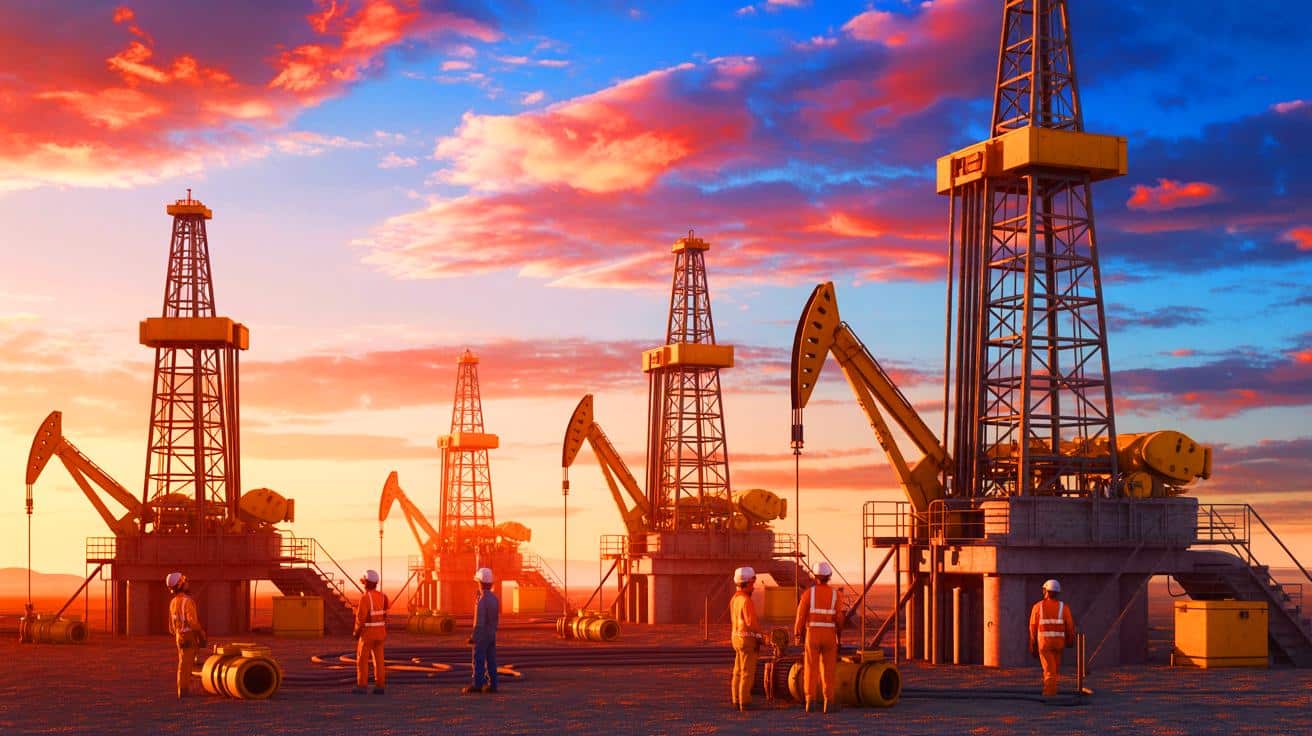
Oil prices are anticipated to experience a significant decline in the coming years, largely due to an expected surge in global oil production. According to a recent report by Goldman Sachs, this increase in supply is projected to result in a surplus of approximately 2 million barrels per day, putting downward pressure on prices through 2026. The bank estimates that Brent crude will average $56 per barrel, while West Texas Intermediate (WTI) will be around $52, both below current forward curves. This trend is attributed to the completion of long-cycle projects and strategic decisions by OPEC and its allies to increase output.
Production Surges Across the Globe
The anticipated decline in oil prices is primarily driven by a surge in production from various global players. Notably, OPEC+ has been systematically increasing its output since April, contributing significantly to the expected surplus. The Organization of the Petroleum Exporting Countries, alongside Russia and other allies, is reversing previous production cuts, flooding the market with additional oil. These strategic moves are compounded by other major oil-producing nations, such as the United States and Brazil, which are also scaling up their production capacities.
Goldman Sachs highlights that many of these production increases stem from long-cycle projects that faced delays due to the COVID-19 pandemic. These projects are now coming online, further exacerbating the supply glut. The International Energy Agency has echoed these concerns, predicting an even larger surplus in the global oil market next year, potentially reaching up to 4.09 million barrels per day.
Economic Implications of Falling Oil Prices
The implications of declining oil prices extend far beyond the energy sector. Lower oil prices can have a profound impact on global economies, influencing everything from inflation rates to consumer spending. For oil-dependent nations, a prolonged period of low prices could lead to significant economic challenges, including reduced government revenues and budget deficits.
In contrast, countries that import large quantities of oil may benefit from reduced energy costs, potentially stimulating economic growth through increased consumer spending. However, the overall economic impact will depend on various factors, including the resilience of non-OPEC oil supplies and broader global economic conditions. Goldman Sachs warns that if non-OPEC supply proves more resilient than expected, or if the world economy faces a downturn, oil prices could fall even further, potentially dropping Brent crude into the $40s per barrel.
Future Price Rebound Predicted
Despite the anticipated downturn in oil prices through 2026, Goldman Sachs forecasts a rebound beginning in 2027. The bank predicts that prices will recover as the low prices during 2025-2026 weigh on non-OPEC production, with very few new projects coming online after years of underinvestment. This projected rebound is expected to see Brent and WTI rise to long-run forecasts of $80 and $76 per barrel, respectively, by late 2028.
The potential for a price recovery will largely depend on geopolitical dynamics and supply chain adjustments. If Russian supply declines more sharply than expected, it could drive prices above $70 per barrel. Conversely, a more resilient non-OPEC supply or a global economic recession could delay or weaken the expected rebound. These uncertainties highlight the complex interplay between production decisions, geopolitical factors, and macroeconomic trends.
Current Market Conditions
As of the latest market data, Brent crude futures were trading at approximately $64.31 per barrel, while WTI crude was at $60.02. These figures underscore the current volatility in the oil market, influenced by both immediate supply factors and long-term forecasts. The market’s reaction to production increases and economic indicators will continue to shape price movements in the near term.
Investors and stakeholders in the energy sector will be closely monitoring these developments, as the anticipated supply surge and resulting price dynamics present both challenges and opportunities. The ongoing adjustments in production strategies by key global players will be critical in determining the future trajectory of oil prices.
The evolving landscape of oil production and pricing raises important questions about the future of global energy markets. How will countries and companies adapt to these shifting dynamics, and what strategies will they employ to navigate the complexities of a volatile oil market?



Wow, if oil prices drop, does that mean cheaper gas for us? 🚗💸
Wow, who would have thought oil prices will drop that much? 🤔
Is this a good time to invest in renewable energy stocks?
Goldman Sachs sure has a crystal ball, huh? 🙄
Seems like we might see some cheaper gas prices soon! 🚗💨
How reliable are Goldman Sachs’ predictions historically? 🤔
Goldman Sachs has been wrong before… should we trust this prediction?
Thank you for the insightful article! Very informative.
Thanks for the article! Always good to stay informed on energy markets. 😊
How will this impact jobs in the oil and gas industry?
What happens to renewable energy investments if oil stays cheap?
Interesting! But what if geopolitical tensions escalate?