




| IN A NUTSHELL |
|
The digital age has ushered in remarkable advancements, but it also carries latent vulnerabilities. Recent research by the University of California, San Diego, and the University of Maryland has uncovered significant security lapses in satellite communications. These satellites, integral to both everyday communication and sensitive military operations, are broadcasting unencrypted data. This oversight means that anyone with basic equipment can intercept these communications, potentially exposing private messages, corporate data, and even military secrets. As the world becomes increasingly reliant on satellite technology, this discovery raises profound questions about the security measures in place to protect our most sensitive information.
Understanding the Extent of Satellite Vulnerabilities
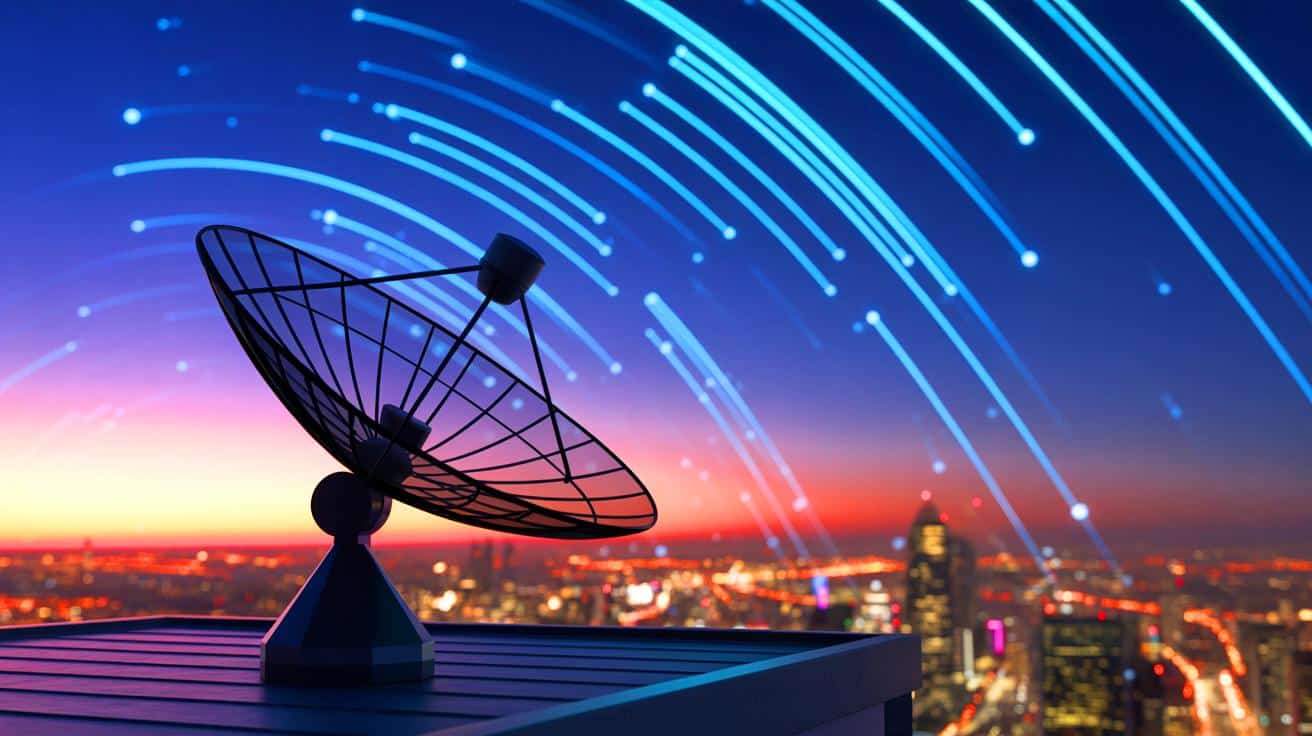
The research team from UCSD and UMD embarked on a three-year investigation to explore the vulnerability of satellite communications. Using readily available equipment, including a satellite dish and tuner card, they intercepted unencrypted signals from geostationary satellites. Their setup allowed them to eavesdrop on numerous communications, revealing a troubling lack of encryption in satellite transmissions.
Among the intercepted data were personal calls and texts, as well as sensitive communications from corporations and even military entities. This raises significant concerns about the security of satellite-reliant systems, especially given the ease with which these communications can be accessed. The researchers highlighted that many telecom companies use satellites to connect remote cellular towers to their core networks. This backhaul process leaves data vulnerable to interception across vast areas, implicating carriers like T-Mobile and AT&T Mexico.
While the researchers did not actively attempt to intercept communications, the passive listening revealed a significant security lapse. The findings underscore a pressing need for the satellite industry to adopt robust encryption measures to protect sensitive data from unauthorized access.
Military and Critical Infrastructure at Risk
The implications of unencrypted satellite communications extend beyond personal and corporate data. Alarmingly, the researchers uncovered unprotected communications from military and law enforcement agencies. For instance, they detected unencrypted internet traffic from US military vessels, including identifiable ship information. The Mexican military and law enforcement communications were also exposed, revealing intelligence reports, aircraft maintenance records, and real-time location data.
The exposure of such sensitive military data underscores a critical vulnerability that could be exploited by hostile entities. The researchers also identified unprotected data from infrastructure systems. For example, Mexico’s state-owned electric utility, Comisión Federal de Electricidad, was transmitting internal communications in plain text. This included customer information and operational data, raising concerns about potential disruptions to essential services.
Despite warnings, some infrastructure operators have been slow to secure their systems. This hesitancy to adopt encryption measures highlights a broader issue within the satellite communications industry, where security often takes a back seat to operational efficiency.
A Global Security Blind Spot
The research team’s findings, though limited to a fraction of geostationary satellites, indicate a widespread security blind spot. Their setup in San Diego captured only about 15 percent of satellite signals, yet revealed a massive amount of unprotected data. This suggests that the vulnerability is far more pervasive than initially thought.
Experts reviewing the study have expressed astonishment at the scope of the vulnerability. The availability of inexpensive equipment necessary for intercepting these signals raises the specter of exploitation by foreign intelligence agencies. The researchers believe that these agencies could have been analyzing unencrypted data for years, further underscoring the need for immediate action.
Efforts to address these vulnerabilities must focus on adopting strong encryption measures across the satellite communications industry. As the world becomes increasingly interconnected, the security of satellite communications is paramount to safeguarding personal privacy and national security.
Moving Toward a More Secure Future
The revelations about unencrypted satellite communications have sparked calls for reform within the industry. The researchers presented their findings at a conference, hoping to raise awareness and prompt action. While some companies have taken steps to secure their systems, others remain vulnerable, leaving critical data exposed.
The researchers emphasize the importance of ongoing vigilance and proactive measures to secure satellite communications. As Schulman noted, the industry can no longer rely on the assumption that no one will look up and scrutinize satellite transmissions. It is imperative for private companies and governments to prioritize security and adopt comprehensive encryption strategies.
The study serves as a wake-up call, urging stakeholders to recognize and address the inherent vulnerabilities in satellite communications. As we look to the future, the question remains: Will the industry rise to the challenge and implement the necessary safeguards to protect our most sensitive information?



Wow, this is a serious wake-up call! How long has this data been exposed? 😳
This is mind-blowing! How can something so important be left unprotected? 🤯
Great article! Thanks for shedding light on such an important issue. 🙏
Thank you for shedding light on this critical issue! We need more awareness. 🙏
Wait, anyone with basic equipment can intercept this? That’s terrifying.
Wait, are you saying anyone can just listen in on military comms? That’s terrifying.
Isn’t it ironic that our advanced tech still relies on such outdated security measures?
Why hasn’t the government prioritized encrypting these signals?
Could this lead to a new wave of cyberattacks? The implications seem huge. 🛡️
Great article, but now I’m super paranoid about my data. 😬
Does this mean my satellite TV could be hacked too? 😅
Can someone explain how this isn’t a top national security priority?
Why haven’t these vulnerabilities been addressed sooner? Sounds like negligence.