




| IN A NUTSHELL |
|
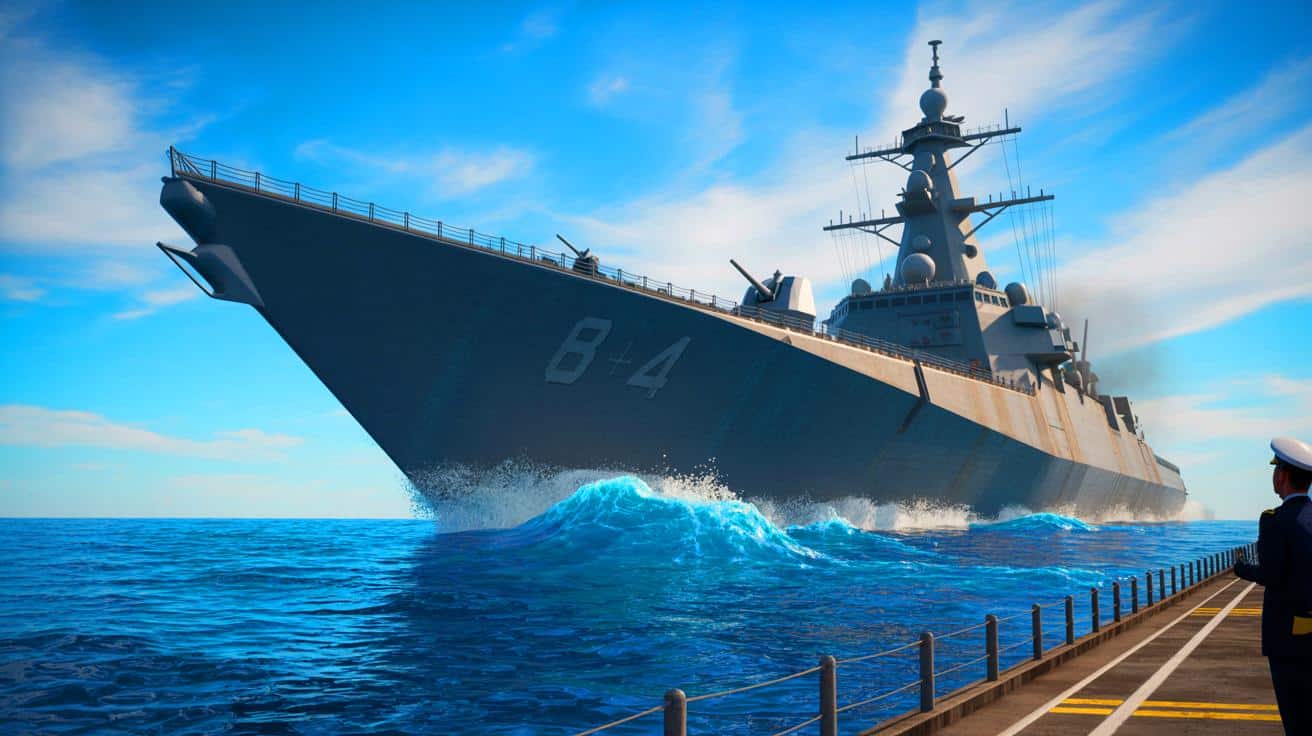
The geopolitical landscape of East Asia is becoming increasingly charged as North Korea makes bold moves to assert its naval prowess. The announcement of a new 5,000-ton destroyer, slated for completion in 2026, underscores the country’s ambition to solidify its maritime strength. This development follows a previous incident in May 2025, where a similar vessel capsized, marking what North Korean leader Kim Jong Un called a “national disgrace.” The forthcoming launch, set for October 10, 2026, coincides with a significant national holiday, adding symbolic weight to the event. As tensions rise in the region, the implications of North Korea’s naval expansion are critical to global security dynamics.
North Korea’s Maritime Ambitions and Past Challenges
North Korea’s desire to expand its military capabilities is evident in its ambitious plans to enhance its naval fleet. The construction of a new 5,000-ton destroyer follows a previous debacle in May 2025, when a similar vessel capsized during its launch. This incident was a significant embarrassment for the regime, with Kim Jong Un present at the event. The mishap was deemed a criminal act, resulting in the arrest of four individuals. The damaged destroyer, named the Kang Kon, was reportedly relaunched successfully in June 2025, although some analysts remain skeptical of the rapid repair claims.
The decision to proceed with another destroyer construction shortly after this incident highlights North Korea’s resolve to project military strength. The upcoming launch date, set for October 10, 2026, holds particular significance as it coincides with the founding anniversary of North Korea’s ruling party. This date not only serves as a reminder of the country’s historical roots but also amplifies the symbolic importance of the successful deployment of the new destroyer.
A Rising Threat in an Increasingly Tense Region
East Asia is currently a region fraught with tension. The complex relations between China, Japan, Taiwan, and the United States create a volatile environment, further exacerbated by North Korea's aggressive posturing. The North's increasing military capabilities, especially its focus on naval power, serve as both a show of force and a provocation to its adversaries.
North Korea's military advancements are not limited to naval endeavors. The country has conducted numerous nuclear missile tests over recent years, demonstrating its willingness to escalate military tensions. Additionally, North Korean troops have reportedly participated in conflicts alongside Russian forces in Ukraine, further showcasing the regime's strategic military alliances.
Kim Jong Un's statements suggest a deliberate intention to challenge and unsettle neighboring nations. By advancing its naval capabilities, North Korea aims to intimidate its enemies by showcasing their ability to navigate near territorial waters freely. This strategy of provocation underscores the ongoing tensions in the region and highlights the potential for conflict escalation.
The Implications of North Korea's Naval Expansion
The expansion of North Korea's naval fleet reflects a broader strategy to enhance its military influence and regional power. The significance of the new destroyer, one of the largest in North Korea's fleet, is a testament to the country's commitment to strengthening its military capabilities.
As North Korea continues to bolster its naval presence, neighboring countries and global powers must grapple with the potential consequences. The increasing military prowess of North Korea poses a challenge to regional stability and the balance of power in East Asia. The international community remains vigilant, aware of the implications that such military advancements could have on global security.
Kim Jong Un has stated, "It will not be long before enemy nations themselves realize how provocative and unpleasant it is to watch our ships freely operate near their territorial waters."
This statement encapsulates the strategic intent behind North Korea's naval expansion, highlighting the regime's desire to assert dominance and challenge its adversaries.
Future Prospects and Regional Stability
North Korea's pursuit of a formidable naval force is a critical aspect of its broader military strategy. The successful launch of the new destroyer in 2026 will serve as a pivotal moment in the country's military narrative. However, the broader implications of this development extend beyond North Korea's borders, impacting regional and global security dynamics.
The ongoing tensions in East Asia, coupled with North Korea's military advancements, present a complex challenge for policymakers and international stakeholders. The potential for conflict escalation, driven by provocative military actions, remains a pressing concern. As the region navigates these challenges, the question arises: How will global powers respond to North Korea's growing military ambitions, and what measures will be taken to ensure regional stability?



Does anyone else think this is just a diversion tactic? 🤔
Wow, 5,000 tons! That’s quite a leap from the last ship, isn’t it? 🚢
Did they learn nothing from the last incident? 😅
Will this new destroyer improve regional stability or make things worse?
Why does North Korea keep pushing its neighbors with these naval expansions?
Maybe they should focus on making ships that don’t capsize first! 😂
Honestly, I’m more worried about the geopolitical implications than the ship itself.
Thanks for the update! This is a concerning development for the region.
Does anyone think this will actually launch successfully this time?
It’s amazing how they can just brush off the last failure and move on.
How does North Korea fund such expensive military projects?
Shouldn’t there be some international oversight on these military expansions?
Why do I feel like this is just a game of battleship but in real life?
Isn’t this just adding more fuel to an already burning fire in East Asia?