




| IN A NUTSHELL |
|
As nations race to secure their energy futures, a new contender has emerged in the realm of engineering feats: the wind turbine. In China, a recent development has captured global attention, not just for its size, but for its implications on renewable energy leadership. With the construction of the world’s largest wind turbine, China has not only set a record but also underscored its strategic dominance in the clean energy sector. This milestone prompts a broader discussion on global energy dynamics, supply chain control, and the readiness of different countries to embrace the renewable energy transition.
Giant Blades, Bigger Stakes: China’s Race to Build the World’s Largest Turbines
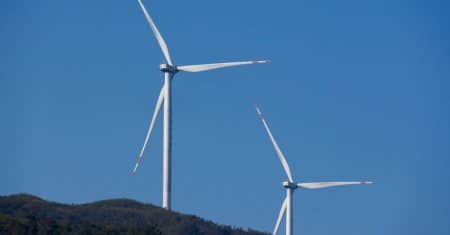
In the past decade, the conversation around renewable energy has dramatically shifted from skepticism to urgency. Now, the pressing question is how quickly these technologies can be scaled to meet global demands. China has taken a formidable lead in this area, constructing wind turbines of unprecedented size and capability. The MySE18.X-20MW turbine, with its 436-foot blade, stands as a testament to this ambition. To put its scale into perspective, this single blade is twice the height of the Statue of Liberty.
The implications of such massive turbines are profound. Larger blades capture more wind, translating to increased energy output per turbine. This efficiency reduces the number of turbines required for wind farms, cutting project costs and optimizing space. Furthermore, these colossal turbines are particularly suited for offshore locations, where wind conditions are more favorable, enhancing energy capture and reliability. As a result, China’s advancements in turbine technology not only represent engineering marvels but also strategic moves towards energy independence and sustainability.
China’s Offshore Wind Dominance: Controlling the Future of Clean Energy
China’s prowess in offshore wind energy is unmatched, with the nation operating nearly half of the world’s offshore turbines. With a capacity of 41 gigawatts already connected to the grid, China’s commitment to renewable energy is robust and growing. In 2024, investments in clean energy reached approximately $1.9 trillion, marking a pivotal shift in the country’s energy landscape as renewable capacity surpassed coal for the first time.
The secret to China’s success lies in its comprehensive control over the supply chain. The country dominates the production of polycrystalline silicon and silicon wafers, essential components for solar energy. Additionally, Chinese manufacturers produce some of the largest and most efficient turbines globally, with projects exceeding 20 megawatts. The establishment of a national offshore test base further cements China’s leadership, providing facilities for testing and certifying cutting-edge turbines. This integrated approach ensures that China remains at the forefront of renewable energy innovation.
Wind Power Standoff: China Surges While U.S. Policy Stalls
While China surges ahead, the United States faces significant policy hurdles in its renewable energy efforts. Under the Trump administration, an executive order halted the approval of new wind projects, stalling both onshore and offshore developments. This policy freeze has had several repercussions, including diminished competitiveness and underwhelming auction results, potentially jeopardizing U.S. leadership in renewable energy.
The disparity between the two nations underscores the necessity of regulatory and political stability for technological progress. China’s success with its massive offshore turbines illustrates the benefits of a cohesive national strategy, backed by substantial financial investment. Meanwhile, the U.S. struggles with inconsistent policy direction, hindering progress in the sector. As China continues to unveil groundbreaking technology, the global balance of power in renewable energy may shift, challenging the U.S. to reassess its strategic approach.
Implications for Global Energy Leadership
The emergence of China as a dominant force in renewable energy poses significant implications for global energy leadership. By controlling key aspects of the supply chain and investing heavily in infrastructure, China has positioned itself as a leader in the clean energy race. This development raises questions about the future of energy policy worldwide and the strategies other nations will adopt to compete.
As countries grapple with the challenges of transitioning to renewable energy, China’s example offers both inspiration and a cautionary tale. The rapid advancements in turbine technology highlight the potential for innovation to drive sustainability. However, they also underscore the importance of cohesive policy, investment, and infrastructure development. As the world navigates this critical juncture, how will other nations respond to China’s unprecedented achievements in renewable energy?

Wow, a 436-foot blade! How do they even transport that? 🤔
Wow, it’s incredible how big these turbines are getting! 🌬️ Is this the future of energy?
This is impressive, but how long until other countries catch up?
China’s making huge strides, but what about the environmental impact of manufacturing such massive turbines?
Is China planning to export these massive turbines or keep them domestic?
Thanks for the article! Really makes you think about the future of global energy dynamics. 🌍
Thank you for highlighting the policy differences between China and the U.S.!
Are there any other countries close to achieving similar turbine sizes, or is China way ahead?
As a renewable energy enthusiast, this is the kind of progress I love to see! 🌍💚
Massive turbines, but what happens if one of those blades breaks? 🤔
How much power does a single turbine of this size generate?