

Close Menu
  • Featured
    • News
    • Consumption
    • Environment
    • Industry
    • Opinion
    • Policy
    • Production
    • Storage
    • Transmission
  • About Us
  • Advertise
  • Contact Us

Subscribe to Our Newsletter

News, investigations, and analysis — our top stories every morning to start your day right.

Trending
The Key Benefits of Oil
CO2 Emissions: How Carbon Dioxide Affects the Environment and the Planet
Ocean Warming: A Growing Threat to Marine Ecosystems and the Global Environment
Facebook X (Twitter) LinkedIn YouTube TikTok
Energy Reporters
Facebook X (Twitter) RSS
Subscribe
  • Featured
  • News

    Researchers Discover That Diamonds Can Generate Electricity

    09/03/2026

    South Africa: Thousands of Dead Sardines Disrupt Koeberg Nuclear Power Plant

    08/28/2026
    Illustration of Abu Dhabi National Oil Company's $11 billion financing deal for future gas production projects.

    ADNOC Secures $11 Billion for Gas Expansion, Transforming Energy Future and Boosting Local Economies

    12/19/2025
    Illustration of Energy Transfer LP's Lake Charles LNG project suspension and strategic shift to pipeline infrastructure.

    Energy Transfer Suspends Lake Charles LNG Project, Sparking Concerns Over Job Losses and Future Energy Solutions

    12/19/2025
    Illustration of a U.S. judge blocking Michigan's attempt to shut down Enbridge's Line 5 pipeline.

    Judge Blocks Michigan’s Effort to Shut Down Enbridge’s Line 5 Pipeline, Sparking Environmental and Economic Debate

    12/18/2025
  • Use

    How energy subsidies affect the market and consumers

    08/11/2026

    Steps to make your business more energy efficient

    06/16/2026

    How to conduct an energy audit for your home

    05/19/2026

    The impact of energy consumption on climate change

    05/12/2026

    Tips for choosing the best energy provider

    05/05/2026
  • Climate

    CO2 Emissions: How Carbon Dioxide Affects the Environment and the Planet

    10/14/2026

    Ocean Warming: A Growing Threat to Marine Ecosystems and the Global Environment

    10/09/2026
    renewable energy industry

    The Benefits of Renewable Energy for the Climate

    09/15/2026

    How to evaluate the carbon footprint of your energy use

    07/21/2026

    The connection between energy use and water resources

    07/07/2026
  • Industry

    How France Produces Its Electricity: Nuclear Power at the Heart of a Changing Energy Mix

    10/02/2026

    The Importance of Oil in Logistics

    09/10/2026
    A bunch of black and white objects with a green arrow above them

    The Ongoing Bribery Case Against Hithium’s Chairman Wu Zuyu Highlights the Stakes for Battery Investors

    02/22/2026
    Illustration of Ford's strategic shift from electric vehicles to gas and hybrid models.

    Ford Reveals $19.5 Billion Charge as EV Strategy Unravels, Impacting Jobs and Future Mobility Choices

    12/17/2025

    US Drillers Cut Oil and Gas Rigs Again, Exposing Potential Economic and Environmental Impacts on Local Communities

    12/13/2025
  • Opinion
    lighted city skyline at night

    Korean Companies Are Losing Ground to China: Why Governance Failures at Conglomerates Like Young Poong Group Matter More Than Ever

    03/22/2026

    Pulling back the curtain on Turkey’s natural gas strategy

    09/01/2020

    How West Africa can expand power supply and meet climate goals

    06/15/2020

    Review: Oil and the Great Powers: Britain and Germany, 1914 to 1945

    06/09/2020

    Eastern Mediterranean gas: testing the field

    05/27/2020
  • Policy

    Understanding dynamic pricing in electricity markets

    06/23/2026

    The influence of artificial intelligence on energy management

    06/02/2026
    renewable energy industry

    How government policies are shaping the energy sector

    04/14/2026

    What you need to know about smart energy management

    02/24/2026

    Trump Administration Faces Delays in Finalizing 2026 Biofuel Quotas, Raising Questions About Future Energy Policies

    12/14/2025
  • Output

    The Key Benefits of Oil

    10/20/2026

    How France Produces Its Electricity: Nuclear Power at the Heart of a Changing Energy Mix

    10/02/2026

    The Importance of Oil in Logistics

    09/10/2026

    Researchers Discover That Diamonds Can Generate Electricity

    09/03/2026

    South Africa: Thousands of Dead Sardines Disrupt Koeberg Nuclear Power Plant

    08/28/2026
  • Storage
    renewable energy industry

    How energy storage can stabilize renewable sources

    06/30/2026

    Innovations in battery technology for energy storage

    03/17/2026
    Illustration of Venezuela's oil storage facilities nearing maximum capacity amid U.S. sanctions.

    Venezuela Faces Oil Storage Crisis as Tanker Restrictions Expose Vulnerabilities in Energy Infrastructure and Economy

    12/18/2025
    time lapse photography of square containers at night

    ‘Mega Batteries’ are Powering the Future of Energy Consumption

    10/23/2025
    Illustration of a gravity-based energy storage system integrated into a skyscraper, utilizing renewable energy sources.

    Gravity Battery Innovation Transforms Skyscrapers into Renewable Energy Storage, Revealing New Possibilities for Urban Sustainability

    10/18/2025
  • Grid

    Understanding energy grids and their modernization

    04/28/2026
    Illustration of Ovintiv and Pembina's collaboration on LNG export from the Cedar LNG facility.

    Ovintiv Agreement for Cedar LNG Capacity Sparks New Era in North American Energy Collaboration and Innovation

    12/16/2025
    Illustration of Star Catcher Industries' power beaming technology at NASA's Kennedy Space Center.

    Star Catcher Achieves Breakthrough, Sets New 1.1-kW Power Beaming Record, Transforming Future Energy Solutions

    11/25/2025
    Illustration of U.S. LNG exports navigating global market challenges and expanding into Asian regions amidst rising competition.

    US LNG Export Dominance Faces Challenge as Sellers Explore New Markets Beyond Europe’s Energy Demand

    11/23/2025
    Illustration of the race to develop new pipelines in response to California refinery closures and rising fuel prices.

    California Refinery Closures Drive Urgent Pipeline Race, Transforming Energy Supply Dynamics on the West Coast

    11/19/2025
Energy Reporters

Germany Considers Nationalizing Rosneft Arm, Raising Concerns Amid Trump Sanctions: A Potential Shift in Energy Dynamics

Germany is contemplating the nationalization of Rosneft's operations within its borders in response to U.S. sanctions, a move that could significantly alter the country's energy landscape and its longstanding ties with Russian oil.
Eirwen WilliamsEirwen Williams10/30/202514
Share Twitter Facebook LinkedIn Telegram WhatsApp Email Copy Link
Follow Us
Google News
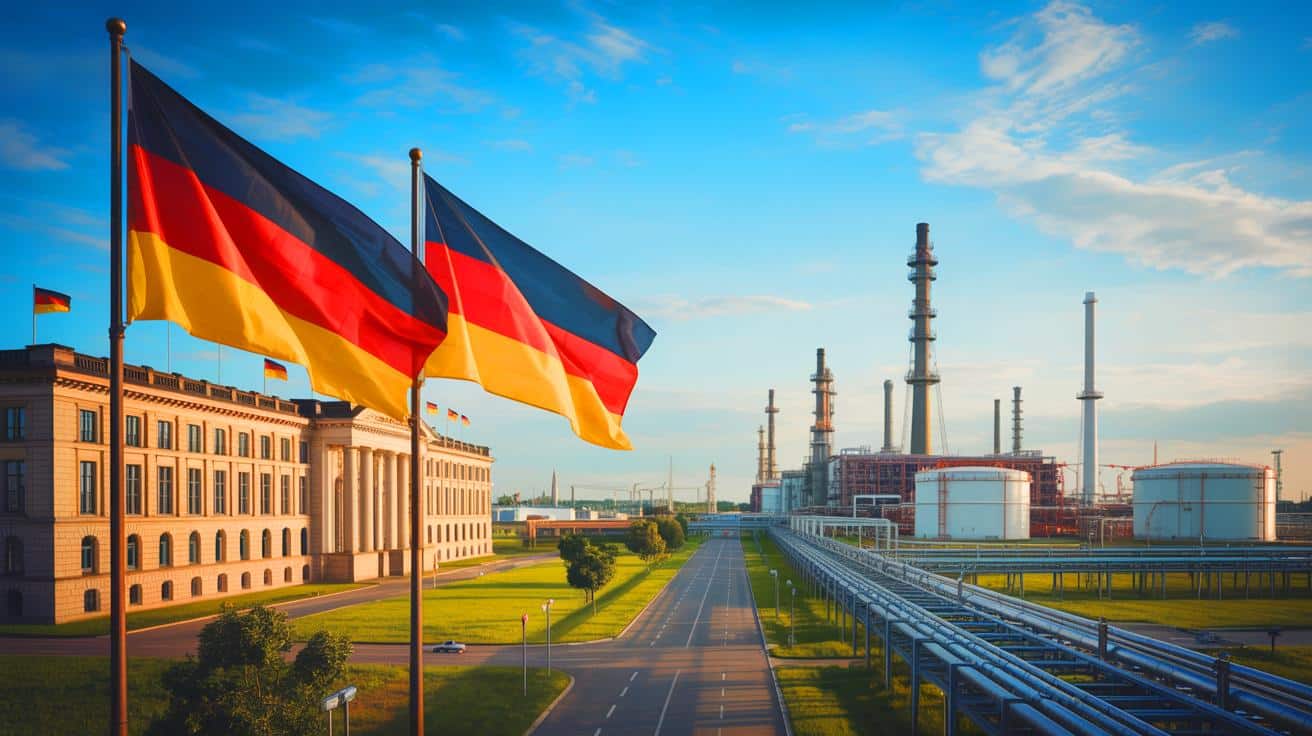
Illustration of Germany contemplating the nationalization of Rosneft's operations due to U.S. sanctions.
Share
Twitter Facebook LinkedIn WhatsApp Email Copy Link
IN A NUTSHELL
  • 🇩🇪 Germany considers nationalizing Rosneft due to U.S. sanctions, impacting its energy relationship with Russia.
  • 🔍 The Schwedt refinery is crucial for Berlin’s fuel supply, highlighting the stakes of this decision.
  • ⚖️ Legal complexities arise from the trusteeship arrangement and potential compensation claims from Moscow.
  • 🌍 Germany explores alternative solutions like permanent sanction exemptions or selling to foreign investors.

Germany finds itself at a crossroads as it navigates the complex interplay between energy dependence and geopolitical tensions. The U.S. sanctions on Russian oil producer Rosneft have brought Germany’s reliance on Russian energy into sharp focus, prompting discussions about nationalizing Rosneft’s business operations within its borders. This potential shift could have sweeping implications for Germany’s energy landscape, particularly concerning the Schwedt refinery, which plays a critical role in supplying fuel across eastern Germany. As Berlin grapples with these issues, the question remains: How will Germany balance its energy needs with international pressures?

Germany’s Complex Energy Dependency

Germany’s energy landscape is deeply intertwined with its historical reliance on Russian oil and gas. For decades, Russia has been a primary supplier, providing the necessary resources to fuel Germany’s industrial economy. This reliance has become increasingly fraught, with geopolitical tensions rising in the wake of the Ukraine conflict. The U.S. sanctions on Rosneft have further complicated this relationship, forcing Germany to reconsider its energy dependencies.

Rosneft’s operations in Germany include significant stakes in key refineries, such as the Schwedt refinery, which is crucial to the nation’s fuel supply chain. This facility alone provides fuel to Berlin’s airport and petrol stations across eastern Germany, underscoring its importance to the country’s infrastructure. With the potential nationalization of Rosneft’s assets, Germany aims to secure its energy future amid global uncertainties.

The German government has been cautious in its approach, weighing the potential repercussions of seizing Rosneft’s assets. Concerns about compensation claims from Moscow and the impact on German businesses operating in Russia have made this a delicate balancing act. Nevertheless, the urgency of securing energy independence is driving the conversation forward.

US Pushes Regulators to Connect Data Centers to Grid, Sparking Debate on Energy Efficiency and Innovation

The Legal and Economic Ramifications

Rosneft’s German assets have been valued at around $7 billion by Russian media, but some sources suggest the true value might be much lower. The legal framework for nationalizing these assets is complex, involving a trusteeship arrangement that has been in place since 2022. This arrangement grants the German government control over Rosneft’s operations, but it is subject to renewal every six months, leaving room for legal challenges.

Michael Kellner, a German parliamentarian, has been a vocal advocate for nationalization, emphasizing its systemic importance to the country. He argues that nationalizing Rosneft’s business would provide Germany with certainty over its energy future. However, the legal implications are significant, as each renewal of the trusteeship is scrutinized for its legal basis, originally intended as a temporary emergency measure.

The potential for legal disputes and compensation claims from Russia adds another layer of complexity. German companies with investments in Russia may face retaliatory actions from the Kremlin, should Germany proceed with nationalization. This precarious situation underscores the broader economic ramifications of such a move.

“They Turned the Internet Into Sonar”: How Undersea Cables Are Quietly Becoming the New Front Line in Submarine Warfare

Exploring Alternative Solutions

While nationalization remains a contentious option, the German government is also exploring alternative solutions. Securing a permanent exemption from U.S. sanctions for Rosneft’s operations is one possibility, allowing the company to continue its activities without interruption. This approach would avoid the legal and economic challenges associated with nationalization, but it requires diplomatic negotiations and international cooperation.

In addition to exemptions, Germany is considering selling Rosneft’s assets to a foreign investor. Countries like Qatar and Kazakhstan have previously expressed interest in acquiring these operations, although their current level of interest remains uncertain. Such a sale would transfer the responsibility of managing these critical assets to a third party, potentially alleviating some of the pressure on the German government.

The exploration of these alternatives highlights Germany’s strategic approach to resolving its energy dilemma. Balancing the need for secure energy supplies with the complexities of international relations is no small task, and the outcome will have lasting implications for Germany’s energy policy.

US Urges Europe to Increase Pressure on Russia, Paving the Way for Possible New Sanctions Against Moscow

The Broader Implications of Energy Independence

The discussions surrounding Rosneft’s operations in Germany reflect a broader trend towards energy independence in Europe. As countries grapple with the realities of geopolitical tensions and the need for secure energy sources, the shift towards domestic and diversified energy production is gaining momentum. Germany’s potential nationalization of Rosneft’s assets is emblematic of this shift, representing a move towards greater autonomy and resilience.

The stakes are high, as energy security is a cornerstone of national stability and economic prosperity. The decisions made by Germany in this context will serve as a bellwether for other European nations facing similar challenges. The pursuit of energy independence requires careful consideration of environmental, economic, and geopolitical factors, all of which play a role in shaping the future of energy policy.

As Germany navigates this complex landscape, it must also contend with the broader implications of its actions on the global stage. The resolution of these issues will not only impact Germany’s energy sector but also influence its standing in international relations and its ability to lead in a rapidly changing world.

As Germany weighs its options, the question remains: How will the pursuit of energy independence reshape the country’s future, and what lessons will it offer to the rest of the world?

This article is based on verified sources and supported by editorial technologies.

Subscribe to Our Newsletter

News, investigations, and analysis — our top stories every morning to start your day right.

Germany Rosneft US sanctions
Follow on Google News Follow on X (Twitter)
Share. Facebook Twitter LinkedIn Telegram WhatsApp Email Copy Link
Previous ArticleAustralia Proposes Environmental Law Overhaul to Accelerate Projects, Potentially Transforming Local Communities and Ecosystems
Next Article Janta Power’s Innovative 3D Solar Towers Transform Energy Landscape, Boosting Electricity Generation by 50% for Communities
Eirwen Williams
  • X (Twitter)

Eirwen Williams is a Brussels-based journalist at Energy Reporters, specializing in European energy policy, market trends, technological innovation, and energy security. Trained in journalism through a renowned program in New York, he examines how nations and industries are navigating the continent’s energy transition. With a focus on the forces driving change, his reporting highlights the interplay between regulation, infrastructure, and new technologies shaping Europe’s energy future. Contact: eirwen.williams@energy-reporters.com

Keep Reading

Understanding dynamic pricing in electricity markets

The influence of artificial intelligence on energy management

renewable energy industry

How government policies are shaping the energy sector

View 14 Comments
14 Comments
  1. Stevenfate on 10/30/2025 7:15 AM

    Wow, Germany is really taking a bold step here! 🇩🇪

    Reply
  2. Luke_adventurer on 10/30/2025 7:17 AM

    Wow, Germany nationalizing Rosneft? That’s a bold move! 🤔

    Reply
  3. Sebastian on 10/30/2025 7:59 AM

    What are the potential impacts on fuel prices if Germany goes through with this?

    Reply
  4. malika on 10/30/2025 8:00 AM

    What are the potential impacts on fuel prices in Germany if this nationalization happens?

    Reply
  5. Mohammedstream on 10/30/2025 8:42 AM

    Hmmm, are we seeing a new era of energy independence in Europe?

    Reply
  6. stevenrebirth on 10/30/2025 8:42 AM

    Isn’t nationalizing foreign assets a risky move in terms of international relations?

    Reply
  7. omar_spiritual on 10/30/2025 9:25 AM

    Can someone explain the trusteeship arrangement? I’m a bit lost here. 😅

    Reply
  8. Carol1 on 10/30/2025 9:26 AM

    Germany nationalizing Rosneft? Sounds like a plot twist! 🤔

    Reply
  9. Camila on 10/30/2025 10:08 AM

    Thanks for the article! It’s fascinating to see how geopolitics affects energy policy. 🌍

    Reply
  10. William on 10/30/2025 10:09 AM

    What kind of compensation is Moscow expecting if Germany goes through with this?

    Reply
  11. christopher on 10/30/2025 10:53 AM

    How do you say “nationalization” in German? Asking for a friend. 😅

    Reply
  12. Anthony_tranquility on 10/30/2025 10:53 AM

    Germany should definitely nationalize Rosneft, it’s time to cut ties with Russia.

    Reply
  13. Philip on 10/30/2025 11:34 AM

    Is this just a political stunt or a genuine shift in energy dynamics?

    Reply
  14. Philipdolphin on 10/30/2025 11:36 AM

    Thanks for the informative article. This is a major geopolitical issue!

    Reply
Leave A Reply Cancel Reply

Subscribe to Our Newsletter

News, investigations, and analysis — our top stories every morning to start your day right.

Trending
The Key Benefits of Oil
CO2 Emissions: How Carbon Dioxide Affects the Environment and the Planet
Ocean Warming: A Growing Threat to Marine Ecosystems and the Global Environment
News by category
  • Featured
  • News
  • Use
  • Climate
  • Industry
  • Opinion
  • Policy
  • Output
  • Storage
  • Grid
Information
  • About Us
  • Advertise
  • Meet the Team
  • Contact Us
  • Legal Notice
  • Privacy Policy

Subscribe to Our Newsletter

News, investigations, and analysis — our top stories every morning to start your day right.

Facebook X (Twitter) RSS
© Energy-Reporters.com. All rights reserved.

Type above and press Enter to search. Press Esc to cancel.